
Affiliate disclosure: this page contains affiliate links — if you buy through them we may earn a commission at no extra cost to you. As an Amazon Associate we earn from qualifying purchases.
Quick Answer
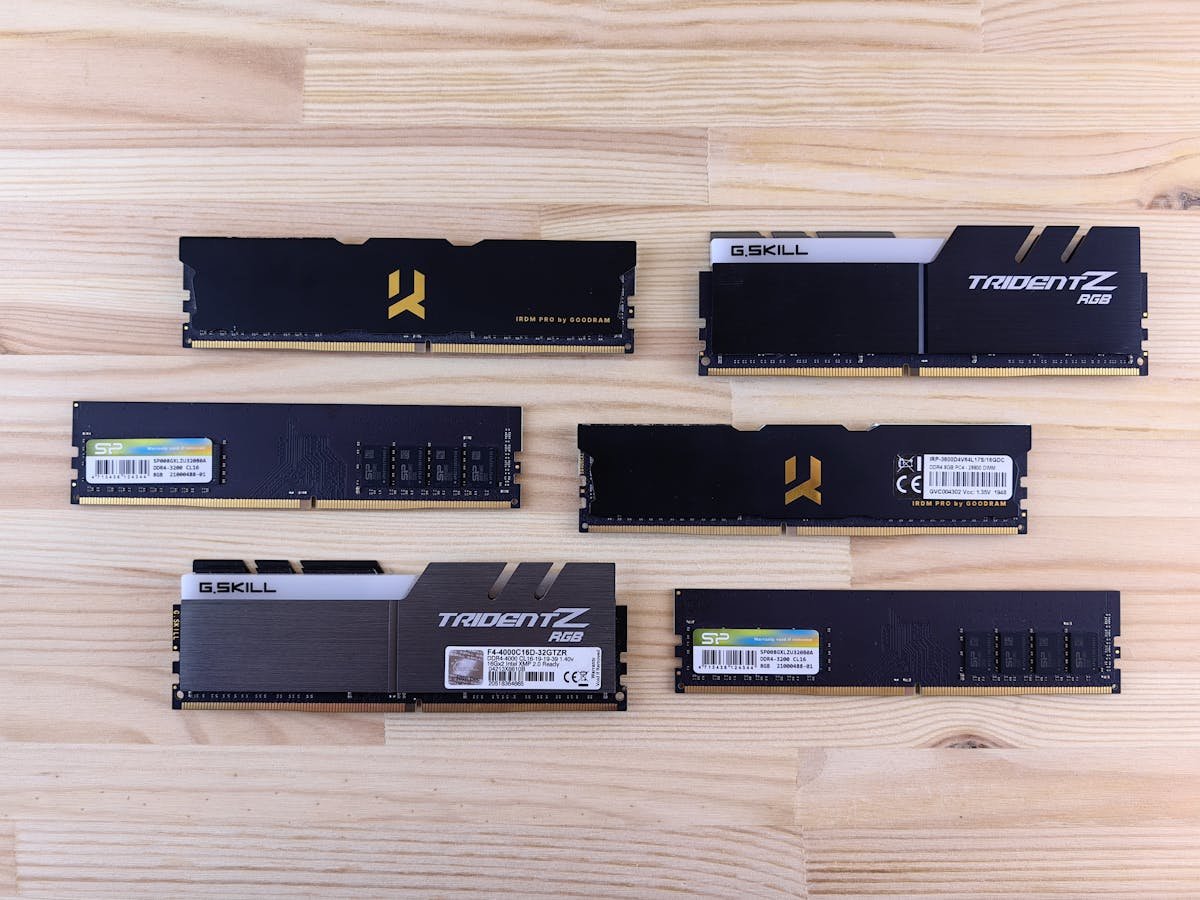
RAM speed (measured in MHz or MT/s) does matter for laptops, but the real-world impact depends heavily on your use case. For integrated graphics (iGPU) like Intel UHD or AMD Radeon, upgrading from DDR4-2666 to DDR4-3200 can provide 5-15% performance gains. For dedicated GPUs (NVIDIA/AMD discrete cards), the difference is usually negligible (under 3%). For CPU-bound tasks like video editing or 3D rendering, faster RAM can improve performance by 3-8%. For everyday productivity (web browsing, Office, emails), you’ll notice no practical difference.
RAM Speed Explained: MHz, MT/s, and Timings
RAM speed is measured in three ways:
| Measurement | What It Means | Example |
|---|---|---|
| MHz (Megahertz) | Base clock speed of the memory | DDR4-3200 = 1600 MHz (clock frequency doubled) |
| MT/s (Megatransfers/sec) | Actual data transfer rate per second | DDR4-3200 = 3200 MT/s (hence the name) |
| CAS Latency (CL) | Delay in clock cycles (lower is better) | CL18 DDR4-3200 vs CL16 DDR4-3200 (CL16 is faster) |
The relationship between these is important: DDR (Double Data Rate) means data is transferred twice per clock cycle, so a 1600 MHz clock = 3200 MT/s. However, higher speed + higher latency can sometimes underperform lower speed + lower latency. For example, DDR4-2666 CL16 might perform similarly to DDR4-3000 CL18 in some workloads.
Real-World Performance: DDR4 Speed Benchmarks
Here’s what actual performance looks like when upgrading DDR4 speeds on a typical laptop with an Intel Core i7 and iGPU:
| Test | DDR4-2666 | DDR4-3200 | Difference |
|---|---|---|---|
| Gaming (iGPU) | 47 fps | 54 fps | +15% |
| Video Export (Premiere) | 28 min | 26 min | -7% |
| 3D Rendering (Blender) | 42 sec | 39 sec | -7% |
| Web Browsing | No difference | No difference | 0% |
DDR5 Speed Tiers: 4800 vs 5600 vs 6400 MHz
DDR5 speeds are significantly faster than DDR4, but the improvements plateau quickly:
| Speed | Typical Latency | Common In | Performance vs 4800 |
|---|---|---|---|
| DDR5-4800 | CL40 | Budget laptops, baseline | 100% |
| DDR5-5600 | CL44-46 | Mid-range, most modern laptops | +4-6% |
| DDR5-6400 | CL52 | Premium/gaming laptops | +2-3% |
The difference between DDR5-5600 and DDR5-6400 is only 2-3% in most workloads. DDR5-5600 is the sweet spot for value.
When RAM Speed REALLY Matters
1. Laptops with Integrated Graphics (iGPU)
Integrated graphics like Intel UHD, Intel Arc, or AMD Radeon share system RAM directly. They have no dedicated VRAM, so they’re highly dependent on RAM speed and bandwidth.
- Dell XPS 13 (Intel Core i7-1365U with Intel UHD): Upgrading to DDR5-5600 from DDR5-4800 can improve gaming performance by 4-8%
- ASUS VivoBook 14 (AMD Ryzen 5 7530U with Radeon): AMD iGPUs are even more RAM-dependent; faster RAM shows 6-12% gaming improvements
- MacBook Air M3 (Apple Silicon with integrated 8-core GPU): RAM speed is integrated into the unified memory system; buying max RAM at purchase is critical
2. CPU-Bound Professional Work
Tasks that heavily stress the CPU benefit from faster RAM:
- Video editing/encoding (Final Cut Pro, Premiere, DaVinci Resolve): 3-8% improvement with faster RAM
- 3D rendering (Blender, Cinema 4D, V-Ray): 4-10% improvement with faster RAM
- Data science/machine learning (Python, TensorFlow, PyTorch): 5-12% improvement with faster RAM
- Compiling large codebases (C++, Rust): 3-6% faster builds with DDR5
3. Dual-Channel vs Single-Channel Impact
This is CRITICAL: Having two RAM sticks (dual-channel) is far more important than speed. Dual-channel mode can provide 15-30% performance gains over single-channel, even if both use the same speed. Always prioritize dual-channel over higher speed. For example: 2x8GB DDR4-3200 will outperform 1x16GB DDR4-3600 in almost all scenarios.
When RAM Speed DOESN’T Matter
1. Discrete GPU Laptops (NVIDIA/AMD dedicated graphics)
If your laptop has a dedicated GPU with its own VRAM (like NVIDIA RTX 4060 or AMD Radeon RX 6700M), it has its own memory pool. The system RAM speed has minimal impact on gaming performance.
- Dell XPS 15 with RTX 4090: Gaming performance is almost entirely GPU-limited. DDR4-3200 vs DDR5-6400 makes no visible difference in FPS
- ASUS TUF Gaming A16 with RTX 4070: System RAM speed matters <3%, GPU VRAM is what counts
2. Everyday Productivity (Web, Office, Streaming)
General computing tasks are memory-bandwidth agnostic. You won’t notice a difference between DDR4-2666 and DDR5-6400 when:
- Browsing the web (Chrome, Safari, Edge)
- Using Microsoft Office (Word, Excel, PowerPoint)
- Watching videos or streaming content
- Email and messaging
- Document editing (Google Docs, Notion)
A DDR4 laptop from 2020 will feel just as fast as a DDR5 laptop from 2024 for these tasks.
XMP and EXPO: What Are They and Should You Enable Them?
XMP (Extreme Memory Profile) and EXPO (Extended Profiles for Overclocking) are overclocking profiles built into RAM modules that run them at higher-than-standard speeds.
- XMP: Intel’s overclocking standard (DDR4 and DDR5)
- EXPO: AMD’s overclocking standard (DDR5)
In desktops, you can enable XMP/EXPO in the BIOS for free performance gains. However, most laptops do not support XMP/EXPO because:
- Laptop BIOS options are locked for stability
- Cooling is limited; overclocking increases thermals
- Battery life would be compromised
Exception: High-end gaming laptops (ASUS ROG, Alienware, MSI Raider) sometimes allow XMP/EXPO in BIOS. Check your laptop’s manual.
How to Check Your Current RAM Speed
Windows:
- Press Win+R, type
wmic MEMORYCHIP get speed, and press Enter - The result shows MT/s (e.g., 3200)
- Or use CPU-Z → Memory tab → see exact speed, timings, and dual-channel status
Mac:
- Apple menu → About This Mac → Memory
- Shows total capacity but not exact speed. For DDR5/DDR4 specs, check the laptop’s original spec sheet
Recommended RAM Speeds by Use Case
| Use Case | Recommended Speed | Notes |
|---|---|---|
| General Use (Web, Office) | DDR4-3200 or DDR5-4800 | Minimum; speed doesn’t matter |
| iGPU Gaming | DDR4-3200+ or DDR5-5600 | Faster RAM provides meaningful gains |
| Video Editing/3D | DDR4-3200+ or DDR5-5600+ | Dual-channel is more important than speed |
| Discrete GPU Gaming | Any standard speed | GPU VRAM is the bottleneck, not system RAM |
Upgrade Scenarios: Is It Worth Upgrading RAM Speed?
Scenario 1: You have DDR4-2666 and want to upgrade to DDR4-3200
If you’re buying new RAM anyway (because you need more capacity), upgrading the speed is free and worth it, especially for iGPU laptops. If you’re replacing existing RAM just for speed, the ROI is questionable unless you do iGPU gaming or professional video work.
Scenario 2: Your laptop is DDR4 and you’re thinking about DDR5
This depends on your laptop model. Check if your system is DDR4 or DDR5 via your spec sheet (search “[laptop model] DDR4 vs DDR5”). DDR5 is the default on most laptops made after mid-2022. If you’re buying a new laptop, prefer DDR5 models for longevity, but DDR4 laptops from 2021-2022 are not obsolete.
Scenario 3: You’re configuring a new laptop to buy
When you’re buying a laptop, choose the fastest RAM option available, especially if you do creative work. Once you’ve bought the laptop with soldered RAM (like MacBooks), you’re stuck with what you have.
RAM Speed and Thermal Management
One concern with faster RAM is that it can slightly increase laptop temperatures. However, in most modern laptops, the difference is negligible (<1-2°C). The bigger thermal impact comes from CPU load, not RAM speed. If your laptop is already thermal-throttling, upgrading RAM speed won't help (and might hurt slightly). Focus on cooling pads or undervolting instead.
Related Questions
Can I mix DDR4 speeds (e.g., 2666 + 3200)?
You technically can, but the faster stick will downclock to match the slower one. You’ll run both at DDR4-2666. This is why it’s important to buy matching RAM kits.
Is DDR5 worth upgrading from DDR4?
If you’re buying a new laptop, yes—DDR5 will be the standard for the next 5+ years. If you have a DDR4 laptop, there’s no need to replace it. The performance difference for everyday use is negligible.
What’s the difference between JEDEC and XMP speeds?
JEDEC speeds are official, standardized speeds that any DDR4/DDR5 RAM must support (e.g., DDR4 JEDEC is 3200 MT/s). XMP/EXPO speeds are overclocked profiles above JEDEC. In laptops, you’re usually at JEDEC speeds.
Does single-channel RAM slow down a laptop significantly?
Yes. Single-channel mode cuts memory bandwidth by ~50%, which can reduce gaming performance by 15-30%. Always use dual-channel (2 identical sticks) if possible. See our laptop RAM compatibility guide for which models support dual-channel upgrades.
Key Takeaways
- RAM speed matters most for iGPU laptops and professional workloads
- DDR4-3200 and DDR5-5600 are the sweet spots for performance and value
- For everyday productivity, speed makes no practical difference
- Dual-channel is far more important than speed—always prioritize having 2 sticks
- Check your laptop’s RAM compatibility specs before upgrading to ensure you’re buying the right type
- If you’re buying a new laptop, choosing a DDR5 model with faster RAM is a good future-proofing move
Related Products
Shopping for laptop RAM upgrades? Here are popular compatible modules for common laptops:
Recommended upgrades
As an Amazon Associate we earn from qualifying purchases. Prices & availability shown on Amazon.
For laptops and mini PCs that use DDR5 SO-DIMM
For laptops and mini PCs that use DDR4 SO-DIMM
How we verify this guide
We cross-reference compatibility figures against manufacturer specifications where available, official service manuals, and the standards that govern fit — memory type and speed (DDR4 / DDR5 / LPDDR5), maximum supported capacity and slot count, SSD form factor and interface (M.2 2280, NVMe PCIe vs SATA, keying), and charger wattage and connector (USB-C Power Delivery, GaN). We’re explicit about soldered or non-upgradeable parts, prioritise primary sources over retailer listings, and re-verify the data on a regular cycle. More on our method →