Affiliate disclosure: this page contains affiliate links — if you buy through them we may earn a commission at no extra cost to you. As an Amazon Associate we earn from qualifying purchases.
Dell Latitude and HP EliteBook are the two dominant business laptop lines. Both offer excellent build quality, enterprise management, and long-term support. This comparison covers the key differences to help IT buyers and individuals choose.
Build Quality and Design
Dell Latitude laptops feature aluminium chassis and a professional, understated design. HP EliteBook models use machined aluminium with MIL-STD-810H certification across the range. Both brands offer excellent keyboards — HP’s are slightly shallower while Dell’s have more travel. For pure build quality, it’s a tie.
Upgradeability
| Feature | Dell Latitude | HP EliteBook |
|---|---|---|
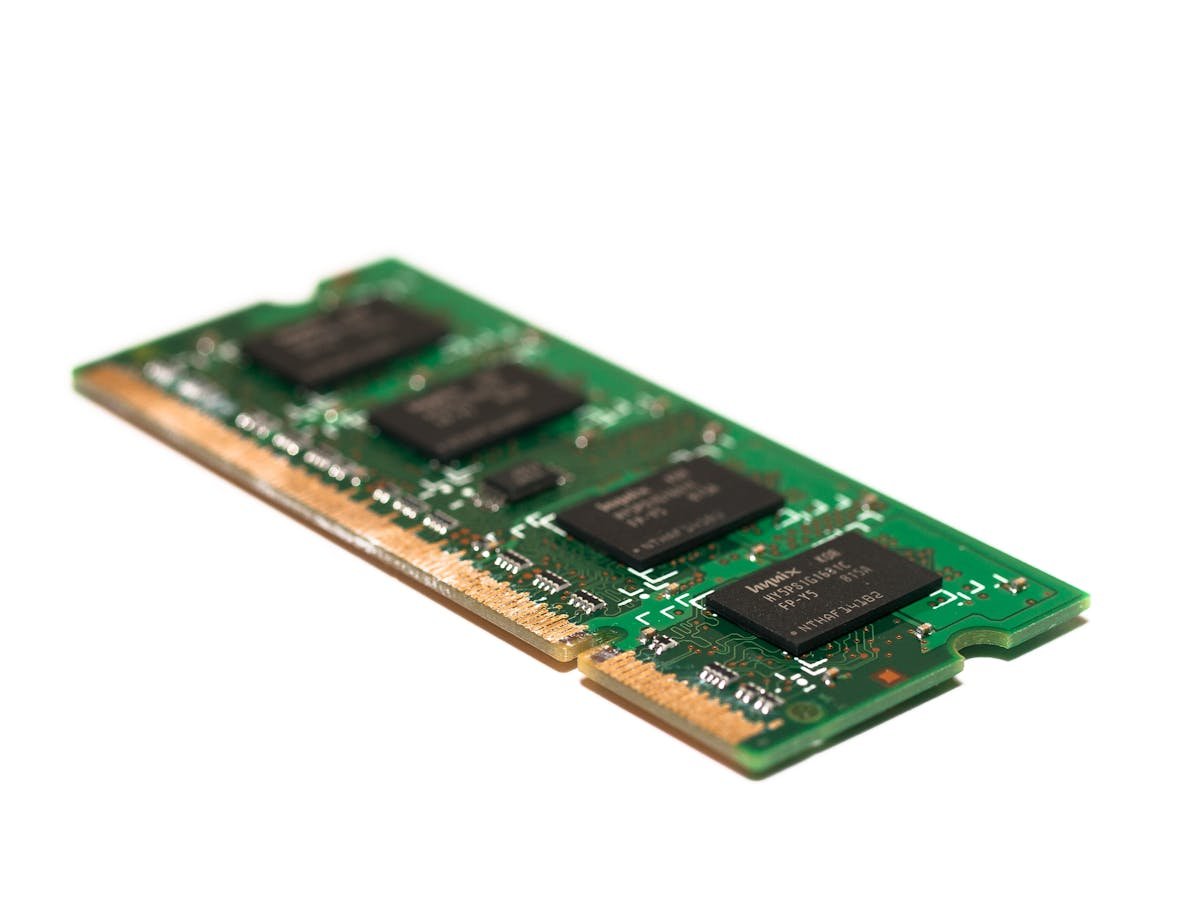
| RAM Slots | 2 SO-DIMM (most models) | 2 SO-DIMM (most models) |
| Storage | 1-2 M.2 NVMe slots | 1-2 M.2 NVMe slots |
| Wi-Fi Card | Replaceable M.2 | Replaceable M.2 (whitelist) |
| Battery | User-replaceable (most) | Non-removable (most) |
Support and Warranty
Both offer next-business-day on-site service. Dell ProSupport and HP Care Pack are competitively priced. Dell’s support website and driver download experience is generally considered superior. HP’s BIOS and firmware update tools are more streamlined.
Our Verdict
Both brands are excellent choices for business. Dell Latitude offers better upgradeability and support tools. HP EliteBook offers marginally better build quality and display options. Choose based on your IT department’s preference or whichever offers the better deal at purchase time.
Frequently Asked Questions
Is Dell or HP better for business laptops?
Both are excellent. Dell Latitude edges ahead in upgradeability, while HP EliteBook offers slightly better build quality. The differences are minor.
Which lasts longer — Dell or HP?
Both brands build laptops to last 4-6 years in business use. Reliability data from fleet managers shows no significant difference.
Recommended upgrades
As an Amazon Associate we earn from qualifying purchases. Prices & availability shown on Amazon.
For laptops and mini PCs that use DDR5 SO-DIMM
For laptops and mini PCs that use DDR4 SO-DIMM
M.2 2280 NVMe SSDs
How we verify this guide
We cross-reference compatibility figures against manufacturer specifications where available, official service manuals, and the standards that govern fit — memory type and speed (DDR4 / DDR5 / LPDDR5), maximum supported capacity and slot count, SSD form factor and interface (M.2 2280, NVMe PCIe vs SATA, keying), and charger wattage and connector (USB-C Power Delivery, GaN). We’re explicit about soldered or non-upgradeable parts, prioritise primary sources over retailer listings, and re-verify the data on a regular cycle. More on our method →