Affiliate disclosure: this page contains affiliate links — if you buy through them we may earn a commission at no extra cost to you. As an Amazon Associate we earn from qualifying purchases.
The Framework Laptop 13 and ThinkPad T14 represent two very different philosophies for upgradeable laptops. Framework prioritises modular expansion cards and user repairability, while ThinkPad focuses on traditional RAM/SSD upgrades with enterprise ecosystem support. Both offer genuine upgrade potential, but in different ways.
This guide compares their upgrade paths, expansion capabilities, and long-term value to help you choose the approach that fits your workflow.
Quick Verdict Table
| Upgrade Path | Framework Laptop 13 | ThinkPad T14 |
|---|---|---|
| Expansion Cards | Hot-swap USB-C modules (4 ports) | Fixed USB-C/A ports |
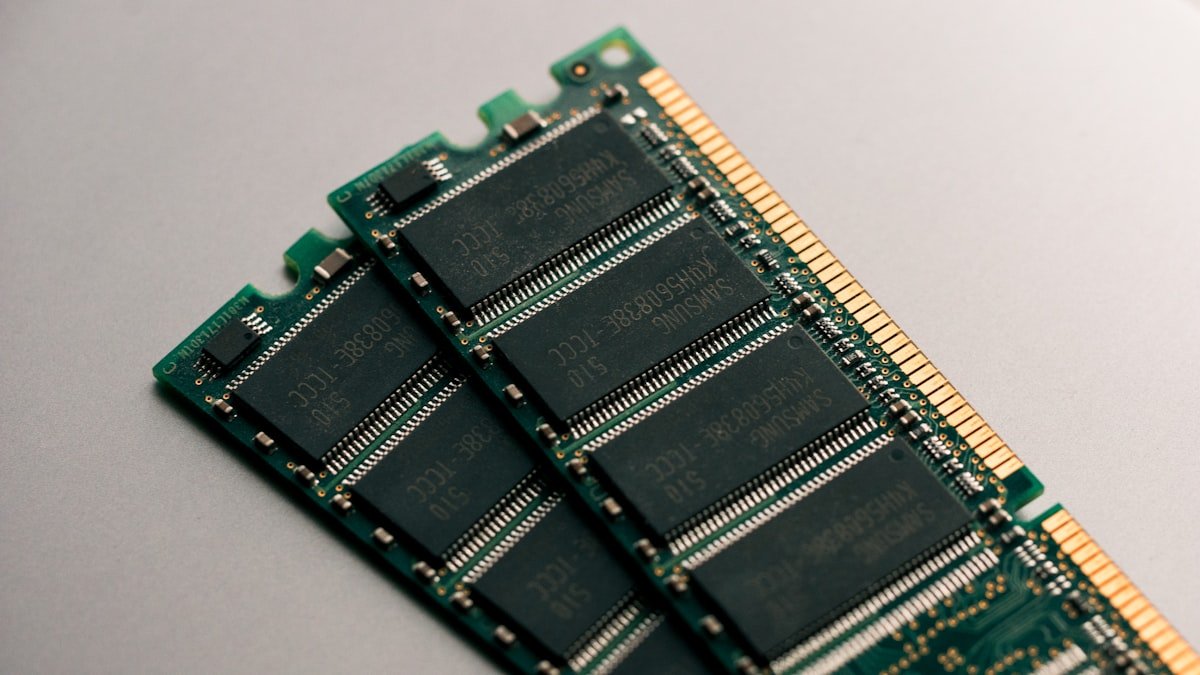
| RAM Upgrade | 2x DDR5 SO-DIMM (up to 96GB) | 2x DDR5 SO-DIMM (up to 96GB) |
| SSD Upgrade | 1x M.2 2280 (user-replaceable) | 1x M.2 2280 (user-replaceable) |
| Charger | USB-C 60W standard | USB-C 65W/90W standard |
| Repairability | Fully user-serviceable (no screws) | Enterprise repair friendly |
| Best For | Modular freedom, customisation | Traditional enterprise support |
Expansion Card Modularity
This is where Framework fundamentally differs from every other laptop, including ThinkPad.
The Framework Laptop 13 includes four swappable USB-C expansion card ports around the chassis. You can load different expansion cards into these ports — additional USB-A, HDMI, DisplayPort, SD card readers, or even storage expansion cards. You can customise your port layout to match your specific workflow, and swap cards in seconds without opening the chassis.
The ThinkPad T14 has fixed ports built into the chassis. You get what was configured at the factory: typically 2x USB-C (Thunderbolt), 2x USB-A, HDMI 2.1, and an SD card reader. If you don’t use those ports, you’re stuck; if you need additional USB-A ports, you need an external hub.
For professionals who change workflows (docking in office, mobile work, presentations), Framework’s modularity is unmatched. For traditional business users, ThinkPad’s fixed ecosystem is simpler and requires no planning.
RAM & SSD Upgrade Potential
Both laptops match each other here: standard DDR5 SO-DIMM RAM and M.2 2280 NVMe SSD upgrades.
Framework 13 supports up to 96GB DDR5 (2x 48GB modules) and accepts any standard M.2 2280 NVMe drive. ThinkPad T14 also supports 96GB DDR5 with standard M.2 2280 NVMe.
The key difference: Framework provides step-by-step guides for every component replacement, and the entire base disassembles without proprietary tools. ThinkPad requires a single bottom-panel removal, which is slightly less convenient but still straightforward.
Both allow unlimited upgrades without warranty impact, as long as you don’t damage components.
Charger & Power Compatibility
Both use USB-C Power Delivery, but Framework’s design is more flexible.
Framework 13 ships with a 60W USB-C charger, which is adequate for normal use. However, you can use any USB-C PD charger (including higher-wattage options) with Framework — nothing proprietary here. You can even upgrade to a 100W charger for faster charging if needed.
ThinkPad T14 uses 65W or 90W USB-C chargers depending on configuration. Like Framework, any compatible USB-C PD charger will work.
Framework’s strength is that third-party USB-C chargers are abundant (smartphone, tablet, other laptop chargers), so you have more flexibility. ThinkPad’s is similar, but the 90W requirement for heavier workloads means you need a higher-wattage charger than typical smartphone USB-C supplies.
Repair, Repairability & Parts Availability
Framework was designed from the ground up for user repairability.
Framework 13 requires no screwdrivers to access internal components — the keyboard, trackpad, battery, and RAM all come out via simple mechanical latches. Replacement parts (battery, keyboard, input cover, expansion cards) are readily available through Framework’s store. Repair guides are comprehensive and detailed.
ThinkPad T14 is also repairable but requires tools (screwdriver) and partial chassis disassembly. Enterprise support is excellent if you’re under warranty, but post-warranty repairs may require shipping to a service centre. Parts availability varies by region but is generally reliable through Lenovo’s parts ecosystem.
If you value DIY repair and customisation, Framework wins decisively. If you prefer enterprise support channels, ThinkPad is more established.
Which Should You Choose?
Choose Framework 13 if: You want a truly customisable, modular laptop where you can swap ports and components without screwdrivers. You prioritise repairability and longer-term ownership. You work across different environments and want port flexibility.
Choose ThinkPad T14 if: You prefer traditional business laptop support and ecosystem (IT support, warranty, enterprise parts channels). You want simpler, more established repair pathways. You don’t need expansion card modularity and prefer fixed, known port configurations.
Full Specifications Comparison
| Specification | Framework 13 | ThinkPad T14 |
|---|---|---|
| Processor | Intel Core Ultra or AMD Ryzen | Intel Core Ultra (Gen 1/2) |
| RAM (Stock) | 16GB or 32GB DDR5 SO-DIMM | 16GB or 32GB DDR5 SO-DIMM |
| Max RAM | 96GB (2x 48GB) | 96GB (2x 48GB) |
| Storage (Stock) | 512GB or 1TB M.2 NVMe | 512GB or 1TB M.2 NVMe |
| SSD Slots | 1 (user-replaceable, no screws) | 1 (user-replaceable) |
| Expansion Ports | 4x Hot-swap USB-C card slots | 2x USB-C (Thunderbolt), 2x USB-A, 1x HDMI, 1x SD |
| Display | 13.3″ IPS 2256×1504 (16:10) | 14″ IPS 1920×1200 or 2560×1600 |
| Charger | USB-C 60W (any USB-C PD compatible) | USB-C 65W/90W |
| Docking | USB-C dock via card slot or port | Thunderbolt dock optional |
| Weight | 1.3 kg (13″) | 1.39 kg (14″) |
| Battery | 55Wh | 52–63Wh |
| Repair Tools Required | None (latch-based disassembly) | Screwdriver (simple access) |
Frequently Asked Questions
What are Framework expansion cards and can I use them on a ThinkPad?
Framework expansion cards are hot-swappable USB-C modules (USB-A, HDMI, DisplayPort, etc.) that slot into Framework’s four card ports. They are Framework-specific and cannot be used on ThinkPad, which has fixed ports.
Can I upgrade RAM identically in both laptops?
Yes, both use standard DDR5 SO-DIMM modules and support 96GB maximum. Framework doesn’t require screwdrivers to access RAM; ThinkPad requires a simple bottom-panel removal. Both are user-friendly upgrades.
Which charger is more universally compatible?
Framework’s 60W USB-C charger is lighter and more compatible with standard USB-C PD devices. ThinkPad’s 65W/90W chargers are more powerful but require higher-wattage USB-C supplies. Both use standard USB-C Power Delivery, so any compatible charger works.
Is Framework easier to repair than ThinkPad T14?
Yes, Framework requires no tools for most component replacements (RAM, SSD, battery, keyboard). ThinkPad requires a screwdriver but is still straightforward. Framework is designed from the ground up for user repair.
What’s the advantage of Framework’s modular expansion cards?
You can customise your port layout in seconds without opening the chassis. Switch between USB-A, HDMI, SD card, or DisplayPort cards depending on your current task — perfect for professionals who dock in office but travel light.
Does Framework offer enterprise support like ThinkPad?
Framework is a smaller company focusing on consumer/prosumer users. ThinkPad (Lenovo) offers stronger enterprise IT support, warranty channels, and bulk licensing. If you need corporate backing, ThinkPad is more established.
Where to Buy
Looking for compatible components? Check current prices and availability:
Recommended Products
These are the products we recommend based on this guide. All links go to Amazon where you can check current prices and availability.
| Product | Why We Recommend It | Amazon |
|---|---|---|
| Corsair Vengeance DDR5 SO-DIMM 32GB (2×16GB) 5600MHz | Top-rated DDR5 kit for gaming & productivity | View on Amazon |
| Kingston Fury Impact DDR5 SO-DIMM 32GB (2×16GB) 5600MHz | Excellent DDR5 alternative with XMP support | View on Amazon |
| Crucial DDR5 SO-DIMM 16GB 5600MHz | Affordable single-stick DDR5 | View on Amazon |
| G.Skill Ripjaws DDR5 SO-DIMM 32GB 5600MHz | High performance DDR5 for enthusiasts | View on Amazon |
| Samsung 990 Pro 2TB NVMe M.2 2280 | Fastest consumer NVMe — ideal for gaming & editing | View on Amazon |
| WD Black SN850X 2TB NVMe | Excellent Gen4 speed with heatsink option | View on Amazon |
| Crucial P5 Plus 1TB NVMe | Great value Gen4 SSD | View on Amazon |
| Kingston NV2 1TB NVMe | Budget-friendly with solid reliability | View on Amazon |
Prices and availability may vary. As an Amazon Associate, we earn from qualifying purchases.
Related Lenovo Upgrade Guides
- Lenovo Battery Replacement: ThinkPad, IdeaPad & Legion Step-by-Step
- Best RAM for Lenovo ThinkPad in 2026
- Lenovo ThinkSystem SR665 V3 RAM & SSD Upgrade Guide (2023)
- Lenovo ThinkSystem SR665 RAM & SSD Upgrade Guide (2020)
- Lenovo ThinkSystem SR645 RAM & SSD Upgrade Guide (2020)
- Lenovo Upgrade Guide
Not sure what fits? Use our free Compatibility Checker covering 3,195+ models.
Helpful Guides
Recommended upgrades
As an Amazon Associate we earn from qualifying purchases. Prices & availability shown on Amazon.
For laptops and mini PCs that use DDR5 SO-DIMM
For laptops and mini PCs that use DDR4 SO-DIMM
M.2 2280 NVMe SSDs
How we verify this guide
We cross-reference compatibility figures against manufacturer specifications where available, official service manuals, and the standards that govern fit — memory type and speed (DDR4 / DDR5 / LPDDR5), maximum supported capacity and slot count, SSD form factor and interface (M.2 2280, NVMe PCIe vs SATA, keying), and charger wattage and connector (USB-C Power Delivery, GaN). We’re explicit about soldered or non-upgradeable parts, prioritise primary sources over retailer listings, and re-verify the data on a regular cycle. More on our method →