
Affiliate disclosure: this page contains affiliate links — if you buy through them we may earn a commission at no extra cost to you. As an Amazon Associate we earn from qualifying purchases.
Your aging laptop is sluggish and storage is full. Do you spend £100 on upgrades to keep it running another few years, or save up for a new machine? This decision is often more about cost and environmental impact than you might think. This guide walks you through a practical decision framework, showing you how to calculate the true cost of upgrading versus buying new — and helping you understand when upgrades make sense and when they don’t.
The Quick Answer
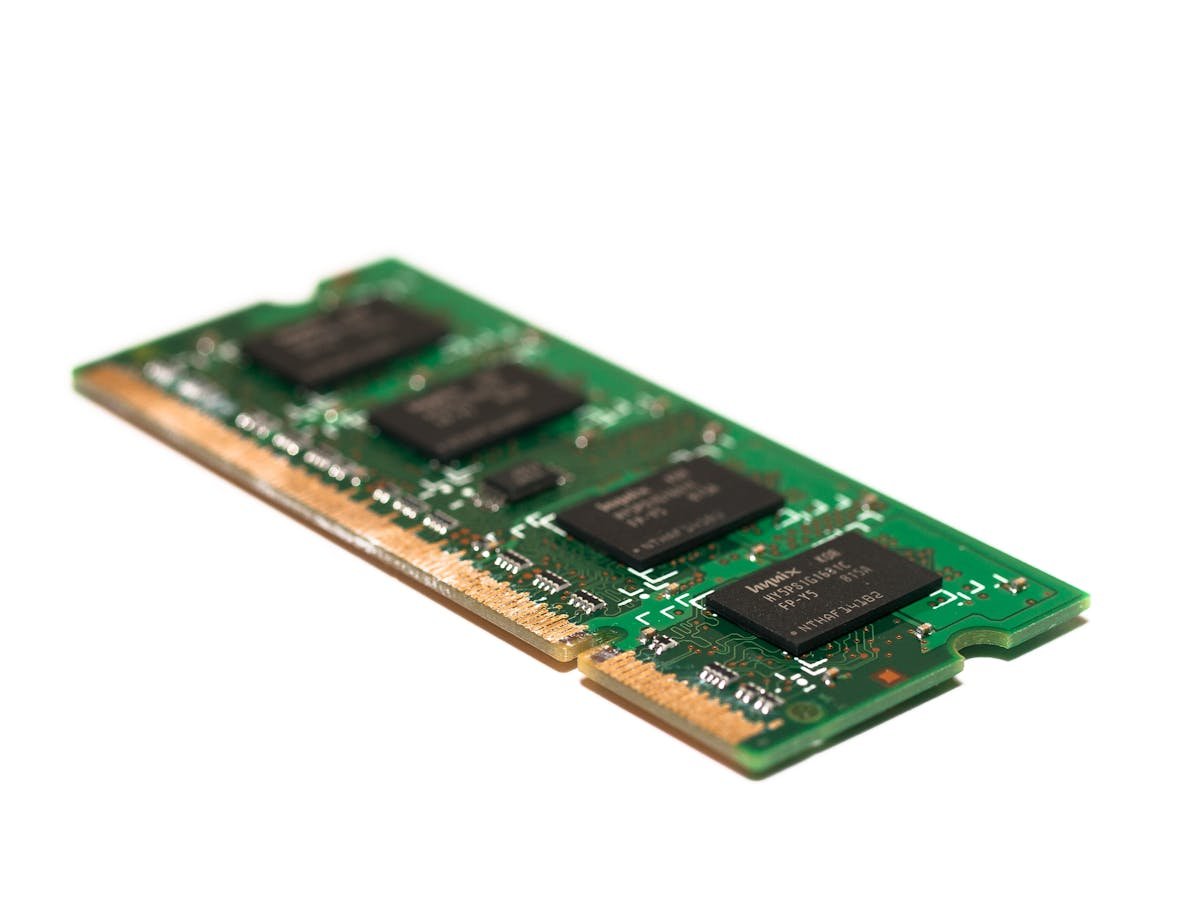
Upgrade if: Your laptop is 1–5 years old, the CPU is adequate for your needs, you need more RAM or storage, and upgrade cost is under £200.
Buy new if: Your laptop is 6+ years old, the CPU struggles (even with more RAM), the keyboard or screen is failing, or repairs would cost over £400.
But let’s dig deeper into the details.
Age Thresholds: When Upgrades Still Make Sense
| Laptop Age | Upgrade Recommendation | Typical Specs | Upgrade Cost | Expected Lifespan After Upgrade |
|---|---|---|---|---|
| 1–2 years old | Upgrade if needed (RAM/SSD full) | Recent CPU (i5/i7 10th gen+, Ryzen 5/7 5000+) | £50–150 | 3–5 more years easily |
| 3–4 years old | Usually worth upgrading | 8th–10th gen Intel, Ryzen 3000–4000 | £100–200 | 2–3 more years |
| 5 years old | Upgrade if CPU adequate; consider buy-new otherwise | 6th–8th gen Intel, Ryzen 1000–2000 | £100–250 | 1–2 more years |
| 6–7 years old | Only upgrade if very specific needs; often better to buy new | 5th gen Intel or older, old Ryzen | £150–300 | 1 year (CPU may be bottleneck) |
| 7+ years old | Rarely worth upgrading; buy new | 4th gen Intel or older, pre-Ryzen | £200+ | Months (old hardware failing) |
Why CPU Age Matters More Than You Think
Here’s the critical insight: upgrading RAM and SSD doesn’t help if your CPU is the bottleneck.
Example: You have a 2015 laptop with a 5th-gen Intel Core i5, 4 GB RAM (maxed out), and full storage. You upgrade to 8 GB RAM and a new SSD. It feels slightly faster — the HDD→SSD jump helps — but your CPU is still ancient. Demanding tasks (video editing, gaming, large spreadsheets) still struggle because the CPU can’t handle them.
Contrast with: A 2020 laptop with an 8th-gen i5, 8 GB RAM (upgradeable to 16 GB), and an old 256 GB SSD. Upgrading to 16 GB RAM and a 512 GB SSD transforms the experience. The CPU is modern enough for most tasks, so the RAM/SSD upgrades actually help.
The CPU Cutoff
- 6th gen Intel (2015) and older: Struggling for modern tasks. Not worth upgrading unless you do only light browsing/Office work.
- 7th gen Intel (2016): Starting to age. Okay for light work, but gaming and video editing are painful.
- 8th gen Intel (2017–2018): Still solid. Upgrading RAM/SSD makes sense. Can last another 2–3 years.
- 9th gen Intel (2018–2019): Good. Upgrades are very worthwhile.
- 10th gen Intel+ (2019+): Modern. Upgrades will definitely help and extend life 3–5 years.
Similar logic applies to AMD Ryzen: first-gen Ryzen (2017) is equivalent to 7th-gen Intel; Ryzen 5000 (2020+) is equivalent to 10th-gen Intel or newer.
How to check your CPU: See our specs checking guide.
The Game-Changing Upgrade: HDD → SSD
If your laptop still has a mechanical hard drive (HDD), replacing it with an SSD is often the single most impactful upgrade you can make.
The HDD→SSD Difference
| Metric | Mechanical HDD | SSD |
|---|---|---|
| Boot time | 1–2 minutes | 15–30 seconds |
| File opening | 5–10 seconds per large file | Instant (1–2 seconds) |
| Application launch | Chrome takes 30+ seconds | Chrome launches in 3–5 seconds |
| File transfers (50 GB) | 2–5 minutes | 20–40 seconds |
| Feel | Sluggish, often unresponsive | Snappy, responsive |
Real cost: A decent SSD (1 TB) runs £50–120. The perceived speed improvement is night-and-day — most people think the laptop is new after an SSD upgrade.
Verdict: If your 5–7-year-old laptop still has an HDD, upgrading to SSD + keeping the old CPU is absolutely worth it. You’ll get 80% of the benefit of a new laptop for 10% of the cost.
Cost Analysis: Upgrade vs Buy New
Here’s a practical comparison:
Scenario 1: 4-Year-Old Laptop, 8 GB RAM, 256 GB SSD, Old CPU (8th Gen Intel)
Current pain points: Slow boot, storage full, sluggish with 10+ browser tabs.
Option A: Upgrade
- 16 GB RAM (upgrade from 8 GB): £60
- 512 GB SSD (upgrade from 256 GB): £70
- Total upgrade cost: £130
- Expected lifespan: 2–3 more years
- Cost per year: £43–65
Option B: Buy New Budget Laptop (£400–600)
- New laptop cost: £500 (mid-range)
- Expected lifespan: 4–5 years
- Cost per year: £100–125
Verdict for Scenario 1: Upgrade. You’ll spend £130 now and extend your laptop’s life by 2–3 years. In 2–3 years, you’ll be ready for a new machine naturally. Over 5 years total, you’ve spent £630 (£130 upgrade + £500 new) to keep running the whole time. If you’d bought new today, you’d still need another device in 2 years anyway.
Scenario 2: 6-Year-Old Laptop, i5-6200U (5th Gen), 8 GB Soldered RAM, 128 GB SSD
Current pain points: Everything is slow. Can’t upgrade RAM (soldered). SSD is full.
Option A: Upgrade (SSD only, can’t upgrade RAM)
- 256 GB SSD (upgrade from 128 GB): £60
- Total upgrade cost: £60
- Expected improvement: Slight (SSD helps, but CPU is ancient)
- Expected lifespan: 6–12 more months (CPU is limiting)
- Cost per year: £60
Option B: Buy New Budget Laptop (£400–600)
- New laptop cost: £500
- Expected lifespan: 4–5 years
- Cost per year: £100–125
Verdict for Scenario 2: Buy new. The £60 SSD upgrade extends life by maybe 1 year, but you’re on borrowed time. The 5th-gen CPU is ancient and will become a bottleneck quickly (Windows 11 no longer supports it officially). You’re better off investing in a new machine that will last 4+ years rather than limping along 1 more year with a 6-year-old laptop.
Scenario 3: 7-Year-Old Laptop, Hardware Failing (Screen issues, keyboard degrading)
Current pain points: Screen has dead pixels. Keyboard is flaky. Battery won’t hold charge.
Option A: Fix Hardware Issues
- Battery replacement: £80–150
- Screen replacement: £150–400
- Keyboard replacement: £100–300
- Total cost for all 3: £330–850
- Expected lifespan: 1–2 more years (more parts likely to fail)
Option B: Buy New
- New laptop cost: £500–800
- Expected lifespan: 4–5 years
Verdict for Scenario 3: Buy new. Hardware failures at 7 years are a sign of imminent collapse. You could spend £500+ fixing 3 components only to have another failure in 6 months. A new machine costs similar amount and comes with warranty.
Decision Framework: A Flowchart (Text Version)
- Is your laptop 1–3 years old? → Yes: Upgrade if needed. No: Continue.
- Is your CPU 8th gen Intel (2017) or newer, or Ryzen 5000 or newer? → Yes: Continue. No: Likely buy new (unless light use only).
- Do you have soldered RAM (can’t upgrade) and full storage? → Yes: More difficult to upgrade (SSD helps but limited). Consider buying new. No: Continue.
- Are you running out of RAM (90%+ usage under load) OR storage is full? → Yes: Upgrade. No: Maybe you don’t need to upgrade; monitor performance first.
- Is any hardware failing (screen, keyboard, battery)? → Yes: If repair costs would exceed £300, buy new. No: Continue.
- Will upgrade cost be under £200 and extend life by 2+ years? → Yes: Upgrade. No: Buy new.
The Hybrid Approach: Upgrade Now, Buy New Later
A practical middle-ground strategy:
Year 1–2: Upgrade RAM and SSD (£100–200). Laptop feels new again.
Year 3–4: Use the upgraded laptop daily. Start browsing for deals on new machines (Black Friday, refurbished market).
Year 4–5: Buy a new laptop when prices are good (end of tech cycle). Use the upgraded old laptop as a backup or give it to a family member.
This strategy maximizes the value of your original machine while planning intelligently for replacement.
Environmental Consideration
Extending your laptop’s life through upgrades is significantly better for the environment than buying new.
- Manufacturing carbon footprint: A new laptop requires mining, manufacturing, and shipping — approximately 400 kg CO₂ equivalent.
- Upgrade carbon footprint: New RAM and SSD together have ~10 kg CO₂ equivalent (100 kg if you count return shipping and logistics).
- The math: Upgrading to extend lifespan 2+ years saves ~300 kg CO₂ compared to buying new.
If sustainability is important to you, upgrading is the right choice (unless the device is truly at end-of-life).
Where to Buy Upgrade Components
If you decide to upgrade, buy from reputable sellers:
- RAM: Amazon (Corsair, Kingston, Crucial) — £50–150 depending on capacity.
- SSD: Amazon (Samsung, Kingston, Crucial) — £50–120 for 512 GB–1 TB.
- Battery: Official manufacturer website or Amazon (search “[your model] battery”).
- Tools: Anti-static wrist strap (£2–5), screwdriver kit (£10–20).
Avoid very cheap no-brand components from eBay/AliExpress — they fail without warning.
When to Buy a New Laptop Instead
Buying new makes sense if:
- Your laptop is 6+ years old and CPU is 6th gen Intel or older.
- Hardware failures (screen, keyboard, motherboard) are stacking up (multiple failures = systemic aging).
- Battery no longer holds meaningful charge and battery replacement costs £100+.
- Your workload has changed (you do heavy video editing now, but your laptop is a light-duty ultrabook).
- Upgrade cost would exceed £300 and only extend life 1 year.
- Your current laptop uses proprietary parts (soldered RAM, proprietary charger) that make upgrading expensive or impossible.
Upgrade Guides for Your Decision
If you decide to upgrade, we have step-by-step guides:
- How to upgrade laptop RAM — Detailed walk-through, troubleshooting, safety precautions.
- How to upgrade laptop SSD — Includes cloning your existing drive or clean install options.
- How to check your laptop’s specs — Identify what you have before upgrading.
For specific upgrade options by brand, check our brand compatibility pages to see if your laptop supports RAM and SSD upgrades.
Recommended Products
These are the products we recommend based on this guide. All links go to Amazon where you can check current prices and availability.
| Product | Why We Recommend It | Amazon |
|---|---|---|
| Corsair Vengeance DDR4 SO-DIMM 32GB (2×16GB) 3200MHz | Best overall DDR4 upgrade kit | View on Amazon |
| Kingston Fury Impact DDR4 SO-DIMM 32GB (2×16GB) 3200MHz | Reliable alternative with tight latency | View on Amazon |
| Crucial DDR4 SO-DIMM 16GB 3200MHz | Budget single-stick upgrade | View on Amazon |
| Samsung DDR4 SO-DIMM 32GB 3200MHz | OEM-quality for business laptops | View on Amazon |
| Samsung 990 Pro 2TB NVMe M.2 2280 | Fastest consumer NVMe — ideal for gaming & editing | View on Amazon |
| WD Black SN850X 2TB NVMe | Excellent Gen4 speed with heatsink option | View on Amazon |
| Crucial P5 Plus 1TB NVMe | Great value Gen4 SSD | View on Amazon |
| Kingston NV2 1TB NVMe | Budget-friendly with solid reliability | View on Amazon |
Prices and availability may vary. As an Amazon Associate, we earn from qualifying purchases.
Related Guides
- How To Upgrade Laptop Ssd
- How To Check Laptop Specs
- Dynabook Laptop Upgrades
- Huawei Laptop Upgrades
- Hp Laptop Upgrades
Recommended upgrades
As an Amazon Associate we earn from qualifying purchases. Prices & availability shown on Amazon.