HP’s EliteBook 840 G10 and 860 G10 are business laptops designed for repairability. Upgrading both RAM and SSD is straightforward — the bottom panel pops open with one captive screw, and both components are easy to access. This guide covers both upgrades in one session, which typically takes 15–20 minutes total.
HP engineers these machines for IT technicians and users who need to upgrade frequently. Unlike consumer laptops sealed with adhesive, the EliteBook uses clips and simple screws. You’ll appreciate the design once you open it up.
What You’ll Need
Gather these components. The EliteBook’s user-friendly design means you don’t need many special tools.
| Item | Purpose | Where to Buy |
|---|---|---|
| Phillips Screwdriver (#00 or #0) | Remove the captive screw holding the bottom panel | Amazon UK |
| Anti-Static Wristband | Protect RAM and SSD from static discharge | Amazon UK |
| DDR5 SO-DIMM RAM (16GB, 5600MHz) | Upgrade EliteBook memory (HP typically uses Kingston or SK Hynix) | Amazon UK |
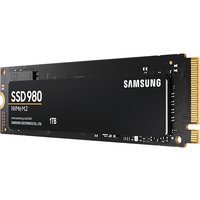
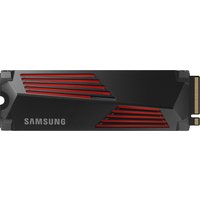
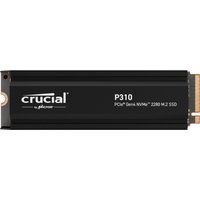
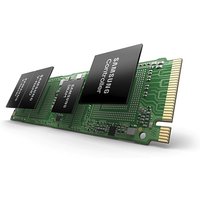
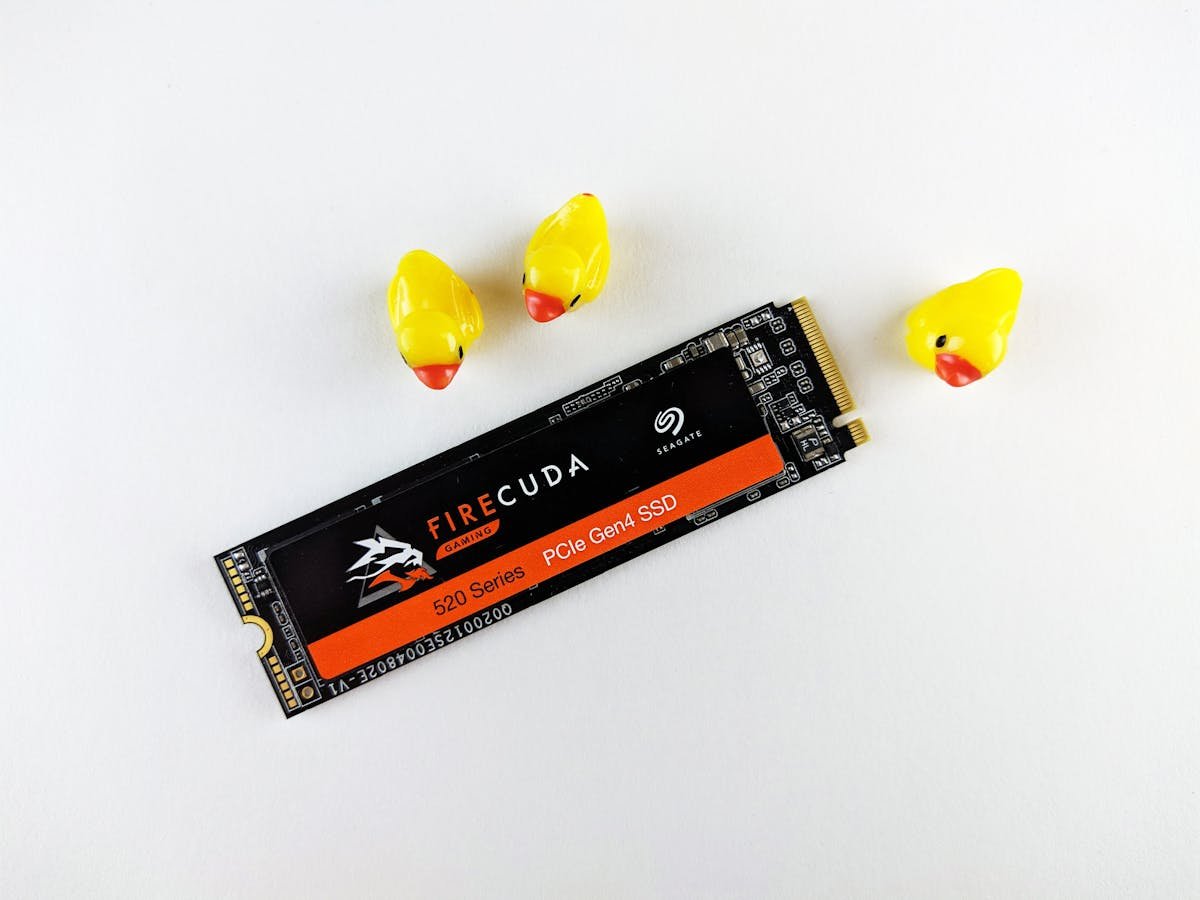
| M.2 2280 NVMe SSD (1TB or 2TB) | Storage upgrade (Samsung 990 EVO or SK Hynix Platinum P41) | Amazon UK |
| Plastic Spudger | Safely pry open the bottom panel without damaging clips | Amazon UK |
Before You Start
Back up your data to cloud storage or an external drive. You’re adding/replacing storage, so no risk to existing data, but it’s always good practice.
Power off completely — no sleep mode. Shut down Windows fully and wait 1 minute for the system to cool and power down completely.
Unplug all cables (power adapter, USB, Ethernet). EliteBooks are built for hot-swappable components, but disconnect power for safety.
Discharge static electricity by wearing your anti-static wristband (grounded to the chassis) before touching internal components.
Step-by-Step Guide
Step 1: Open the Bottom Panel
Flip the EliteBook over. You’ll see a bottom panel with ONE captive screw (usually in the centre). This screw won’t fall out — it’s attached to the panel. Use your Phillips screwdriver to turn it counterclockwise until loose. You don’t need to remove it completely; just loosen it enough to lift the panel.
Once the screw is loose, use your plastic spudger to gently pry up the edges of the bottom panel. HP designed this panel to pop off easily — there are clips around the perimeter, but they release with minimal force. Work your way around the edges until the entire panel lifts off.
Step 2: Locate RAM and SSD Slots
With the panel off, you’ll see the motherboard clearly. RAM slots are typically on the left side (near the back edge), and the M.2 SSD slot is usually in the centre or towards the right.
The EliteBook 840/860 G10 comes with 1–2 RAM slots (SO-DIMM) and 1–2 M.2 slots. Check your current configuration: if both RAM slots are full, you’ll replace one module to upgrade. If one is empty, just insert new RAM into the empty slot.
Step 3: Upgrade RAM (if needed)
If you’re replacing an existing module, gently push the spring clips outward at both ends of the slot. The module will pop up at a 45-degree angle. Grasp it by the edges and pull it straight out.
For a new module, hold it at 45 degrees with the gold connector facing down. Align the notch on the module with the key in the slot. Press down firmly and evenly until the spring clips snap inward, holding the module in place. It should now be parallel to the motherboard.
Leave the new RAM in place and move on to the SSD. You don’t need to reinstall the panel yet.
Step 4: Locate and Remove the Old SSD (if applicable)
The M.2 SSD is held in at a 30-degree angle, similar to other laptops. You’ll see a single Phillips screw at the far end of the slot. Before unscrewing it, note whether there’s a heatspreader or thermal pad on the drive.
Remove the Phillips screw, then gently push the SSD away from you (down the slot angle). It will pop up at the opposite end. Grasp it and pull straight out. Set the old drive aside.
Step 5: Inspect the Thermal Pad
Check if there’s a thermal pad on the heatspreader (if present) or on the SSD slot. HP usually includes basic thermal management. If the pad is still intact on the heatspreader, you can reuse it. If it came off with the old SSD, you’ll need to apply a fresh pad to the new drive before installing it.
Most new M.2 SSDs come with a thermal pad pre-applied, so check your new drive’s packaging. If it has one, you’re good. If not, buy a thermal pad separately (5W/mK is standard for SSDs).
Step 6: Insert the New SSD
Hold your new M.2 SSD at a 30-degree angle (connector pointing down into the slot). Align the notch with the key and slide it smoothly into the slot. Push down firmly until the far end of the SSD is level with the heatspreader.
Install the Phillips screw that holds the SSD at the angled position. Tighten firmly but not hard — you’re securing a thin circuit board. If there’s a heatspreader or thermal pad, ensure it makes contact with the top of the SSD.
Step 7: Reinstall the Bottom Panel
With both RAM and SSD upgraded, carefully position the bottom panel back onto the laptop. Align the edges and press down firmly. You’ll hear the clips snap into place around the perimeter.
Once the panel is seated flush, tighten the single Phillips captive screw. Firm but not over-tight — EliteBooks have durable plastic, but you can still strip threads.
Verifying the Upgrade
Power on the EliteBook. Windows should boot normally. Once at the desktop, verify both upgrades:
RAM Verification: Open Settings → System → About and look for “Installed RAM”. It should show your new total (e.g., 32GB if you upgraded from 16GB to 16GB + 16GB).
SSD Verification: Open File Explorer and check “This PC”. Your new SSD should appear with its full capacity. If it shows “Unknown” or “Uninitialized”, right-click and initialize it in Disk Management, then create a Simple Volume.
BIOS Check: Restart and press F10 (or Esc then F10) during boot to enter HP’s BIOS menu. Both RAM and SSD should be listed on the main system info screen.
Troubleshooting
RAM not detected — Power off, reseat the module, and ensure the spring clips clicked into place. Try the module in the other slot to rule out a bad slot. If it works in one slot only, that’s your good slot for future upgrades.
SSD not detected in BIOS or Windows — Power off and reseat the drive. Ensure the screw is tight and the heatspreader (if present) makes contact with the SSD. Check that the thermal pad isn’t blocking the connector.
Won’t boot after SSD upgrade — The new SSD is blank. If you didn’t clone your old Windows installation, you’ll need to install Windows fresh. Use a Windows installation USB to set up the new drive.
Thermal issues (overheating) — Ensure the thermal pad on the heatspreader contacts the SSD fully. If the pad is creased or torn, replace it with a new one.
Partial SSD capacity recognized — New SSDs sometimes appear smaller in Windows. Update the SSD firmware from the manufacturer’s support page. This usually resolves capacity detection issues.
Recommended Upgrades
For HP EliteBook 840/860 G10, both RAM and SSD should be professional-grade for reliability.
Best RAM: Kingston FURY DDR5 SO-DIMM (16GB, 5600MHz) — Widely compatible, good warranty. £45–55 per module.
Best SSD: Samsung 990 EVO (1TB or 2TB) — Fast, reliable, perfect for business workloads. £60–120.
For EliteBook G10, 32GB total RAM (16GB + 16GB) is recommended for multitasking and business applications. For storage, 1TB is sufficient for most users, but 2TB is better if you work with large files locally.
FAQ
Can I upgrade to 64GB total RAM in an EliteBook 840 G10?
Only if the model has two RAM slots (some 840 G10s have one slot, some have two). Check your current setup: if you have two 16GB modules, max capacity is 32GB. If you have two empty slots, max is 64GB. However, HP’s BIOS often limits this — verify your specific model’s specs on HP’s support site.
Is the EliteBook 840 G10 SSD upgradable?
Yes. The SSD is user-replaceable. The 840 has one M.2 slot, so you can replace it with a larger or faster drive, but you can’t add a second internal SSD.
Does HP officially support these upgrades?
Yes. Both RAM and SSD are listed as CRU (Customer Replaceable Units) in HP’s documentation. Upgrading won’t void your warranty.
What’s the maximum SSD size the EliteBook supports?
Technically, any M.2 2280 SSD will fit physically. However, HP’s BIOS may only recognize drives up to 2TB or 4TB depending on the model. Check your BIOS version and update it if needed — updated BIOS often supports larger SSDs.
Can I use a SATA SSD instead of NVMe?
No. The EliteBook 840/860 G10 has only an NVMe M.2 slot, not SATA. You must use an NVMe SSD.
How much faster is DDR5 RAM vs. DDR4?
In real-world use, about 10–15% faster in memory-intensive tasks. For general business work (email, Office, web), the difference is imperceptible. The main benefit of DDR5 is bandwidth for future applications. Modern EliteBooks use DDR5, so you won’t have a choice anyway.
Recommended Products
These are the products we recommend based on this guide. All links go to Amazon UK where you can check current prices and availability.
| Product | Why We Recommend It | Amazon UK |
|---|---|---|
| Corsair Vengeance DDR4 SO-DIMM 32GB (2×16GB) 3200MHz | Best overall DDR4 upgrade kit | View on Amazon UK |
| Kingston Fury Impact DDR4 SO-DIMM 32GB (2×16GB) 3200MHz | Reliable alternative with tight latency | View on Amazon UK |
| Corsair Vengeance DDR5 SO-DIMM 32GB (2×16GB) 5600MHz | Top-rated DDR5 kit for gaming & productivity | View on Amazon UK |
| Kingston Fury Impact DDR5 SO-DIMM 32GB (2×16GB) 5600MHz | Excellent DDR5 alternative with XMP support | View on Amazon UK |
| Samsung 990 Pro 2TB NVMe M.2 2280 | Fastest consumer NVMe — ideal for gaming & editing | View on Amazon UK |
| WD Black SN850X 2TB NVMe | Excellent Gen4 speed with heatsink option | View on Amazon UK |
| Crucial P5 Plus 1TB NVMe | Great value Gen4 SSD | View on Amazon UK |
| Kingston NV2 1TB NVMe | Budget-friendly with solid reliability | View on Amazon UK |
Prices and availability may vary. As an Amazon Associate, we earn from qualifying purchases.
Related HP Upgrade Guides
- HP Battery Replacement: EliteBook, Pavilion & OMEN Step-by-Step
- Best RAM for HP Laptops in 2026
- HP ProLiant DL365 Gen11 RAM & SSD Upgrade Guide (2023)
- HP ProLiant ML30 Gen11 RAM & SSD Upgrade Guide (2023)
- HP ProLiant DL385 Gen10 Plus RAM & SSD Upgrade Guide (2020)
- HP Upgrade Guide
Not sure what fits? Use our free Compatibility Checker covering 3,195+ models.