The Acer Chromebook Plus 515 is a cloud-first portable machine running ChromeOS rather than Windows or macOS. Because ChromeOS emphasizes web apps and cloud storage, hardware upgrades are fundamentally different from traditional laptops. Here’s what you need to know about compatibility and what is (and isn’t) upgradeable.
Storage Compatibility & Upgrades
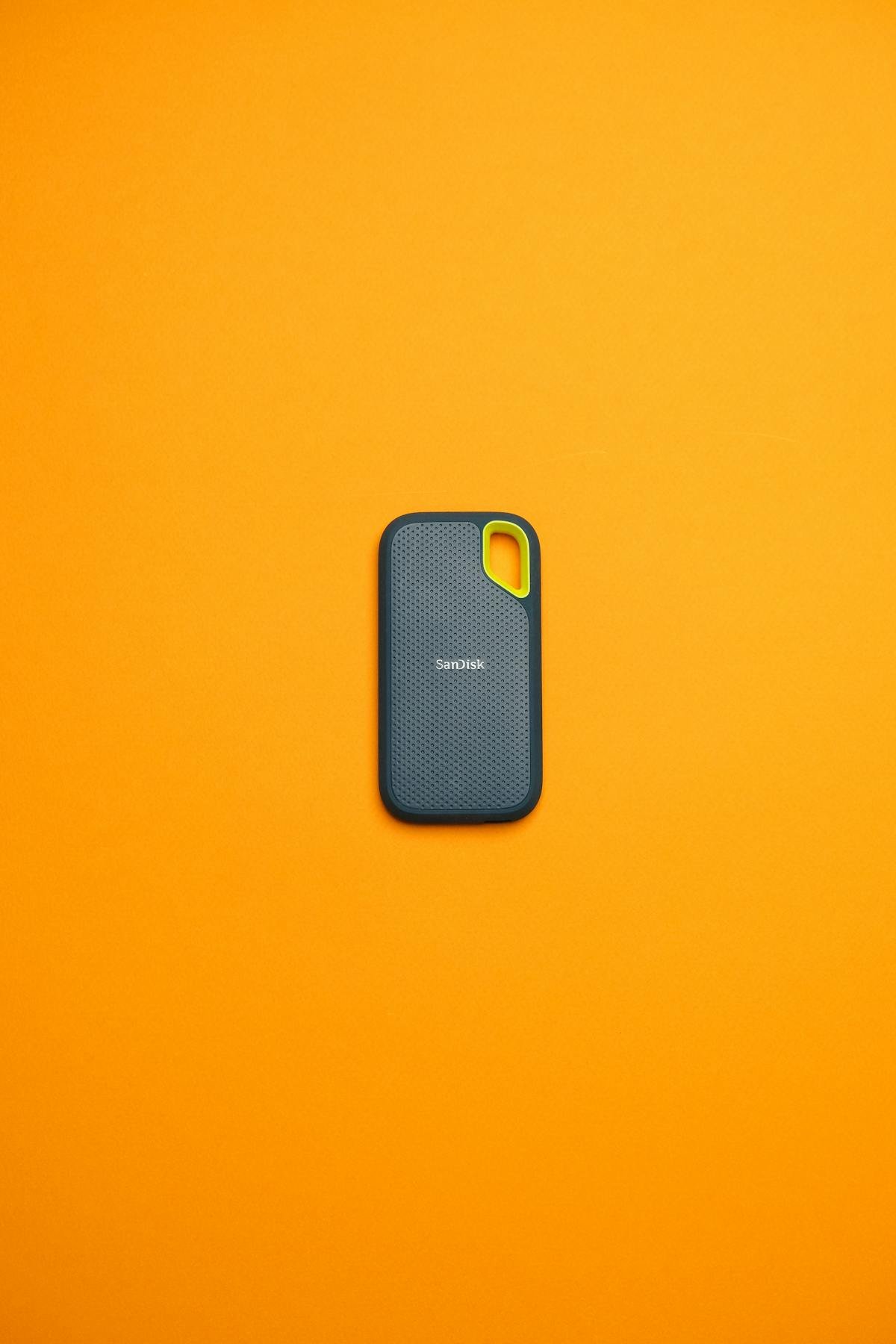
The Chromebook Plus 515 comes with either 128GB or 256GB eMMC internal storage (model-dependent). Unlike traditional laptops with M.2 slots, some Acer Chromebook variants have soldered eMMC, while others may have user-replaceable M.2 2230 or M.2 2280 NVMe drives — it depends on your specific SKU.
Important Storage Consideration
ChromeOS is designed for cloud-first use. The primary storage constraint isn’t internal capacity but rather:
- Cloud storage reliance: Google Drive, Microsoft OneDrive, and other cloud services store your data, not the laptop’s SSD
- Local cache: Internal storage is primarily used for OS, browser cache, and offline files
- External USB storage: You can expand via external USB drives and USB-C docks
If your specific Chromebook Plus 515 variant does have a user-replaceable M.2 drive (verify with your device manual or serial number), compatible M.2 2230 or M.2 2280 NVMe Gen 3 or Gen 4 SSDs can be installed. However, most users never need to perform this upgrade — the eMMC provided is adequate for ChromeOS workflows.
If your variant is M.2-upgradeable, recommended drives include:
- Samsung PM991 or 980 EVO (M.2 2280) — Industry standard for Chromebook compatibility
- WD Blue SN580 (M.2 2280) — Budget-friendly, proven Chromebook compatibility
RAM Compatibility
The Chromebook Plus 515 features soldered LPDDR5 RAM (8GB or 16GB, depending on SKU). RAM is not upgradeable — your configuration is permanent.
For ChromeOS workflows, 8GB is adequate for general web browsing, light productivity, and video streaming. If you plan heavy multitasking (20+ Chrome tabs, local development tools, Crostini Linux VM), 16GB provides better headroom.
ChromeOS Memory Management
ChromeOS uses aggressive memory management and tab compression, so even 8GB feels responsive for most users. RAM limitations are rarely the bottleneck — network speed and cloud service responsiveness matter more.
Charger & Power Compatibility
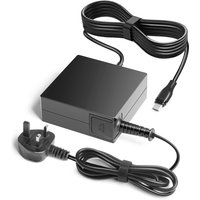
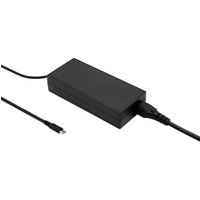
The Chromebook Plus 515 uses USB-C Power Delivery charging (45W). This is a universal standard offering significant flexibility:
Charger specifications:
- Output: 45W USB-C Power Delivery (20V / 2.25A)
- Connector: USB-C, reversible
- Compatibility: Any certified USB-C PD 45W charger works
One major advantage of the Chromebook Plus 515 is charger universality. You can use:
- Any USB-C PD 45W+ charger (phone chargers, tablet chargers, universal laptop chargers)
- USB-C docks with Power Delivery support
- Shared chargers with other USB-C devices in your ecosystem
This eliminates proprietary charger dependency — a major convenience advantage of ChromeOS laptops.
Dock & Hub Compatibility
The Chromebook Plus 515 features USB-C 3.2 ports and standard USB 3.0 Type-A ports. USB docking is the primary expansion method. Thunderbolt docks will work via USB-C, though they won’t provide full Thunderbolt bandwidth.
Recommended USB-C hubs/docks for the Chromebook Plus 515:
- Anker PowerExpand 5-in-1 USB-C Hub — Compact, lightweight, ideal for Chromebook portability
- USB-C Multiport Adapter (DP Alt Mode) — External display support plus USB ports
- Lenovo USB-C Hub (Chromebook-optimized) — Cross-platform compatibility, proven Chromebook support
For educators and students, USB docking enables connection to classroom displays, projectors, and external storage — key for educational workflows.
Full Specifications Table
| Component | Specification | Upgrade Potential |
|---|---|---|
| Operating System | ChromeOS (cloud-first, auto-updates) | Not applicable — OS updates automatic |
| Processor | Intel Core i3/i5 or MediaTek processor | Non-upgradeable (soldered) |
| RAM | LPDDR5 soldered (8GB or 16GB, model-dependent) | NOT upgradeable — soldered |
| Storage | 128GB or 256GB eMMC (or M.2, model-dependent) | Not typically upgradeable on eMMC variants |
| Display | 15.6″ FHD (1920 × 1080) IPS, 60Hz | Non-upgradeable |
| Graphics | Integrated Intel or MediaTek GPU | Non-upgradeable |
| Charger | 45W USB-C Power Delivery | Replaceable (USB-C PD standard) |
| Ports | 2 × USB-C (1 for charging), 1 × USB 3.0 Type-A, 3.5mm audio jack | Expansion via USB-C hub/dock |
| Battery | 47.36Wh Li-Polymer (non-removable) | Replaceable (requires professional service) |
| Weight | ~1.5 kg | — |
Frequently Asked Questions
Can I upgrade the RAM on the Chromebook Plus 515?
No. The RAM is soldered to the motherboard in 8GB or 16GB configurations. Your RAM capacity is permanent. Choose the 16GB variant if you plan heavy multitasking or local development work using Crostini Linux.
Can I upgrade the storage on the Chromebook Plus 515?
Potentially, but only on certain SKUs. Most Acer Chromebook Plus 515 units use soldered eMMC storage that is not user-replaceable. Some variants may have M.2 2230 or M.2 2280 slots. Check your device manual or contact Acer support to verify if your specific model has user-replaceable storage. Regardless, cloud storage is the recommended approach for ChromeOS.
Why would I choose 8GB vs 16GB RAM on the Chromebook Plus 515?
For general web browsing, light productivity (Google Docs, Sheets), and streaming, 8GB is adequate. If you use 20+ Chrome tabs simultaneously, run Crostini Linux VMs, or do local development work, 16GB provides better headroom. The cost difference at purchase (~£60–100) is far cheaper than replacing the machine later.
What USB-C chargers are compatible with the Chromebook Plus 515?
Any USB-C Power Delivery charger rated for 45W or higher will work. This includes phone chargers (if 45W+), tablet chargers, universal laptop chargers, and docking stations with power delivery. This is one of the major advantages of ChromeOS — no proprietary charger dependency.
Can I run Windows or macOS on the Chromebook Plus 515?
No. The Chromebook Plus 515 runs ChromeOS exclusively. If you need Windows or macOS, you’ll need a different device. However, ChromeOS supports Linux apps via Crostini for development and other advanced tasks.
Is the Chromebook Plus 515 suitable for Windows/software developers?
Not directly, since it runs ChromeOS. However, if you use cloud IDEs (VS Code in browser, GitHub Codespaces, Replit) or enable Crostini Linux, you can do web and light software development. For professional Windows-based development, a traditional Windows laptop is recommended.
Where to Buy
Looking for compatible components? Check current prices and availability:
Recommended Products
These are the products we recommend based on this guide. All links go to Amazon UK where you can check current prices and availability.
| Product | Why We Recommend It | Amazon UK |
|---|---|---|
| Corsair Vengeance DDR5 SO-DIMM 32GB (2×16GB) 5600MHz | Top-rated DDR5 kit for gaming & productivity | View on Amazon UK |
| Kingston Fury Impact DDR5 SO-DIMM 32GB (2×16GB) 5600MHz | Excellent DDR5 alternative with XMP support | View on Amazon UK |
| Crucial DDR5 SO-DIMM 16GB 5600MHz | Affordable single-stick DDR5 | View on Amazon UK |
| G.Skill Ripjaws DDR5 SO-DIMM 32GB 5600MHz | High performance DDR5 for enthusiasts | View on Amazon UK |
| WD SN770M 1TB M.2 2230 NVMe | Best 2230 SSD for Dell, Surface, Steam Deck | View on Amazon UK |
| Sabrent Rocket 2230 1TB | Fast 2230 alternative | View on Amazon UK |
| Samsung PM991a 1TB 2230 | OEM-grade 2230 at good prices | View on Amazon UK |
| Samsung 990 Pro 2TB NVMe M.2 2280 | Fastest consumer NVMe — ideal for gaming & editing | View on Amazon UK |
Prices and availability may vary. As an Amazon Associate, we earn from qualifying purchases.
Related Acer Upgrade Guides
- Best RAM for Acer Laptops 2026
- Acer TravelMate Spin P4 TMP414RN-53 (2023) RAM & SSD Upgrade Guide (2023)
- Acer TravelMate P6 TMP614-53 (2023) RAM & SSD Upgrade Guide (2023)
- Acer TravelMate P4 TMP416-52 (2024) RAM & SSD Upgrade Guide (2024)
- Acer TravelMate P4 TMP414-52 (2023) RAM & SSD Upgrade Guide (2023)
- Acer Upgrade Guide
Not sure what fits? Use our free Compatibility Checker covering 3,195+ models.