Affiliate disclosure: this page contains affiliate links — if you buy through them we may earn a commission at no extra cost to you. As an Amazon Associate we earn from qualifying purchases.
The Framework Laptop 13 AMD (Ryzen 7040 series) delivers the same revolutionary modularity and repairability as the Intel version, but powered by AMD’s efficient Ryzen processors. Like its Intel counterpart, the Framework Laptop 13 AMD features fully user-replaceable DDR5 RAM, standard M.2 2280 NVMe SSD, and four modular expansion card bays for customizable I/O. If you prefer AMD’s performance profile or longer battery life, the AMD edition maintains Framework’s core promise: no proprietary parts, no planned obsolescence, complete user control.
Framework Laptop 13 AMD vs Intel: Key Differences
The AMD edition is nearly identical to Intel in repairability and upgradeability, but there are two critical connectivity differences: no Thunderbolt support (AMD doesn’t license Thunderbolt), and USB4 instead. For most users, USB4 is transparent—it offers the same speeds as Thunderbolt 4 and works with most hubs and docks. However, if you own legacy Thunderbolt-only devices, the Intel version may be better.
Battery life on AMD Ryzen 7040 is exceptional: many users report 12–14 hours of real-world work versus 10–12 on the Intel version. For travel or light workloads, the AMD variant is compelling.
RAM Compatibility & Upgrade Options
The Framework Laptop 13 AMD has two DDR5 SO-DIMM slots identical to the Intel edition. You can install any DDR5 SO-DIMM module from major manufacturers (Kingston, Crucial, Corsair, G.Skill) and upgrade to the maximum 96GB.
| Configuration | RAM Capacity | Module Type | Maximum | Best For |
|---|---|---|---|---|
| Base Config | 16GB (2×8GB) | DDR5 SO-DIMM 5600 MHz | 96GB total (2x48GB) | General productivity, web browsing, office work |
| Upgraded Config | 32GB (2×16GB) | DDR5 SO-DIMM 5600 MHz | 96GB total (2x48GB) | Software development, video editing, virtual machines |
| Maximum Config | 96GB (2x48GB) | DDR5 SO-DIMM 5600 MHz | N/A (maximum supported) | Professional workflows, 3D rendering, future-proofing |
Ryzen 7040 processors benefit from fast memory (DDR5 5600 MHz is ideal), and the Infinity Fabric architecture in Ryzen scales particularly well with additional RAM. If you’re planning to keep the Framework Laptop 13 AMD for 4+ years or do any video editing, 32GB is a smart minimum. To upgrade: remove the keyboard bezel, pop out the existing modules, and slot in new ones. Framework sells Kingston DDR5 SO-DIMM modules via their store, or grab compatible third-party modules from Amazon.
SSD/Storage Compatibility & Upgrade Options
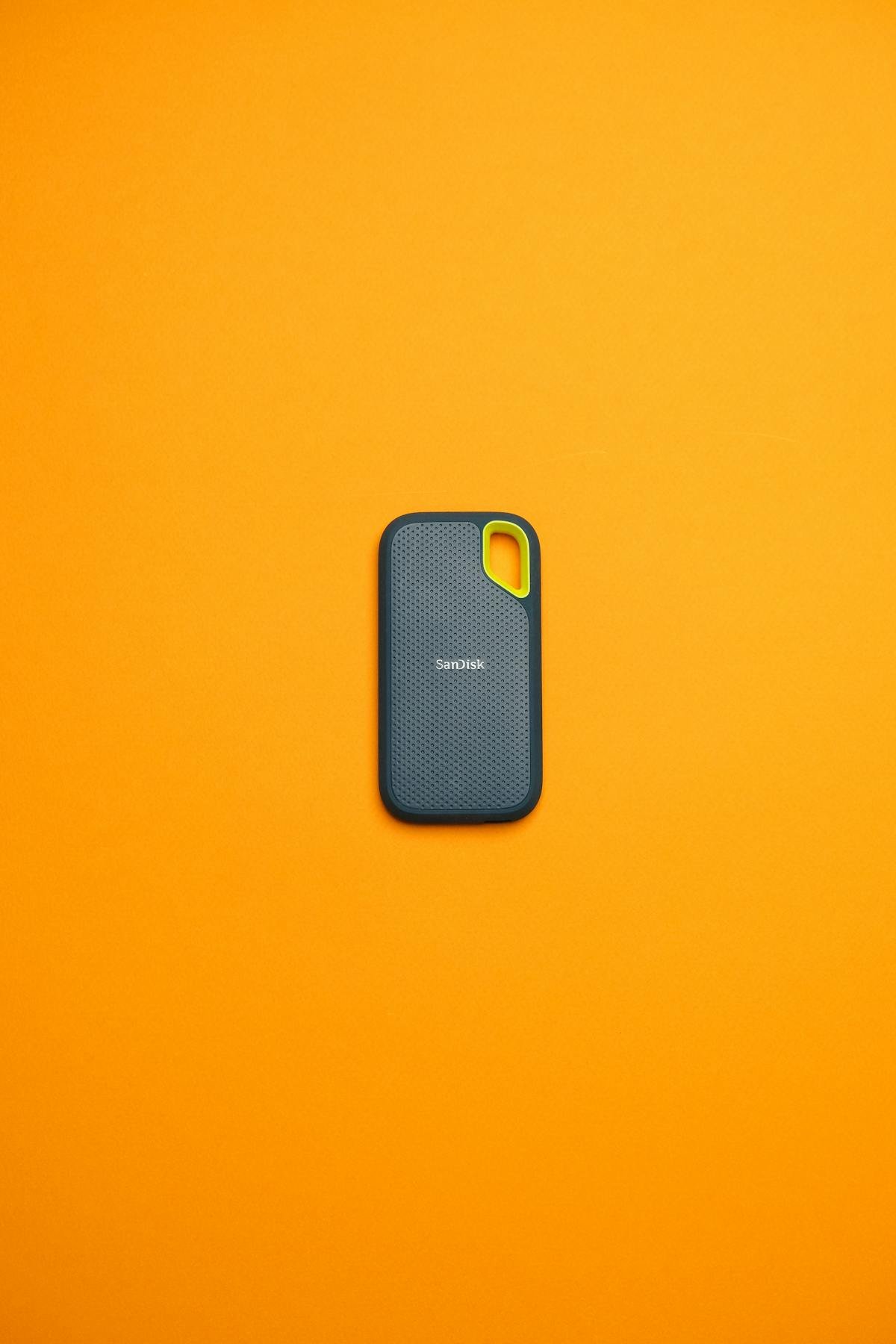
The Framework Laptop 13 AMD has a single M.2 2280 NVMe slot with PCIe Gen 4 support—identical to the Intel model. Any standard M.2 2280 NVMe SSD works, and you can upgrade to faster drives if desired.
| SSD Type | Form Factor | Speed | Compatibility | Best Use Case |
|---|---|---|---|---|
| Samsung 990 EVO | M.2 2280 NVMe PCIe 4.0 | 5,000 MB/s | Fully compatible | General-purpose, excellent value for Ryzen users |
| Crucial P5 Plus | M.2 2280 NVMe PCIe 4.0 | 6,600 MB/s | Fully compatible | Fast, reliable, good thermal performance |
| WD Black SN850X | M.2 2280 NVMe PCIe 4.0 | 7,100 MB/s | Fully compatible | Gaming or professional work with Ryzen |
| SK Hynix Platinum P41 | M.2 2280 NVMe PCIe 4.0 | 7,100 MB/s | Fully compatible | Excellent thermals and endurance |
| Sabrent Rocket 4 Plus | M.2 2280 NVMe PCIe 4.0 | 7,000 MB/s | Fully compatible | Good value, especially for AMD systems |
For most Framework Laptop 13 AMD owners, a Samsung 990 EVO or Crucial P5 Plus hits the sweet spot of speed and value. Upgrade is simple: open the keyboard bezel, slide out the existing drive, and insert the new one at a 30-degree angle. Framework’s guides include full photos.
Expansion Cards & Ports
The Framework Laptop 13 AMD has the same four expansion card bays as the Intel edition and supports the identical expansion card ecosystem. Swap USB-A, USB-C, HDMI, DisplayPort, and MicroSD reader cards on the fly depending on your environment.
| Expansion Card Type | Description | Best For |
|---|---|---|
| USB-C Expansion Card | Two USB-C 3.1 ports (5 Gbps), power delivery passthrough | External drives, docking, charging peripherals |
| USB-A Expansion Card | Three USB-A 3.0 ports (5 Gbps) | Legacy mice, keyboards, older peripherals |
| HDMI Expansion Card | Full-size HDMI 2.0b | Projectors, TV displays, conference rooms |
| DisplayPort Expansion Card | Full-size DisplayPort 1.4 | High-refresh monitors, display daisy-chaining |
| MicroSD Card Reader | Quick MicroSD card access | Photographers, drone pilots, memory card users |
Framework ships the AMD edition with the same default set: one USB-C, one USB-A, one HDMI, one DisplayPort card. Third-party makers are creating additional cards (storage expansion, Ethernet, etc.), and you can request features directly from Framework’s community. This modularity means you never haul around unused ports—just swap what you need.
Charger & Power Delivery Compatibility
The Framework Laptop 13 AMD charges via USB-C Power Delivery from any port on the machine. Standard charging is 65W, though AMD’s efficiency means you might need less power than the Intel version under similar workloads.
| Charger Type | Wattage | Compatibility | Charging Speed |
|---|---|---|---|
| Framework Official USB-C (stock) | 65W | Perfect match, all ports | Standard (included) |
| Third-party USB-C PD 65W | 65W | Fully compatible | Standard |
| Higher-wattage PD chargers (100W, 140W) | 100W+ | Compatible—AMD Framework draws only 65W max | Same as 65W (Framework throttles to 65W) |
| Older 60W PD charger | 60W | Compatible, slightly slower under load | Reduced speed under heavy use |
| Proprietary laptop chargers | Variable | Incompatible (wrong connector) | N/A |
For travel, a multi-port USB-C PD charger (65W+) is ideal. The AMD variant’s lower power draw compared to Intel makes it especially good for travel with a smaller charger. Look for Anker 65W USB-C chargers or similar offerings—they’re significantly cheaper than Framework’s official charger and work identically.
USB4 vs Thunderbolt 4: What You Need to Know
The Framework Laptop 13 AMD uses USB4 (not Thunderbolt) because AMD doesn’t license Thunderbolt technology. However, this distinction is mostly academic:
| Feature | USB4 | Thunderbolt 4 |
|---|---|---|
| Speed | 40 Gbps | 40 Gbps |
| Power Delivery | Supported | Supported |
| Daisy-chaining | Yes | Yes |
| Dock Compatibility | Works with most modern USB4/TB4 docks | Works with all Thunderbolt docks |
| PCIe/Display Throughput | Full 40 Gbps for PCIe or video | Full 40 Gbps for PCIe or video |
In practice: USB4 works with 99% of modern docks, external drives, and displays. The only caveat is if you own older Thunderbolt-only peripherals (pre-2019), which won’t work. For new purchases, USB4 is fine and often costs less than Thunderbolt equivalents.
Dock & Hub Compatibility
The Framework Laptop 13 AMD works with any USB4 or Thunderbolt 4 dock (most modern docks support both). USB-C hubs also work identically to the Intel edition.
| Dock Type | Port Count | Video Output | Best For |
|---|---|---|---|
| USB4/Thunderbolt Dock | 6–13 USB ports | Dual 4K@60Hz or single 6K | Maximum flexibility, professional setups |
| USB-C Hub (compact) | 4–8 USB ports | Single 4K via USB-C DP Alt Mode | Portable, lightweight workspaces |
| Standalone HDMI/USB-C hub | 4–6 USB ports | Single 4K via HDMI or USB-C | Conference rooms, projector use |
| Expansion cards only (no dock) | N/A (swap cards as needed) | HDMI or DP via expansion card | Minimalist setup, no extra cables |
Many Framework Laptop 13 AMD owners skip traditional docks entirely and simply swap in HDMI or DisplayPort expansion cards when needed. This approach is lighter and cheaper than buying a dock, though a USB4 dock offers better organization for permanent desk setups.
Framework Laptop 13 AMD Specifications Summary
| Specification | Details |
|---|---|
| Processor Options | AMD Ryzen 5 7540U, Ryzen 7 7740U, Ryzen 5 8540U, Ryzen 7 8840U (Zen 4/Zen 5) |
| Integrated GPU | Radeon 680M or 780M (Zen 4) / Radeon 890M (Zen 5) |
| RAM | 2×DDR5 SO-DIMM slots, 16GB–96GB, user-replaceable |
| Storage | 1×M.2 2280 NVMe PCIe Gen 4, user-replaceable |
| Display | 13.3-inch IPS LCD, 2256×1504, 60Hz, matte finish (glossy available) |
| Ports (internal) | 3×USB4 (40 Gbps, no Thunderbolt), 1×headphone jack |
| Expansion Card Bays | 4 total (2 per side), fully modular with USB-A, USB-C, HDMI, DP, MicroSD |
| Charging | USB-C Power Delivery, 60W official adapter, any USB-C port |
| Battery | 55 Wh (user-replaceable) |
| Battery Life | 12–14 hours typical (excellent for AMD efficiency) |
| Weight | 1.3 kg (2.9 lbs) |
| Repairability | 9/10 iFixit score—fully user-replaceable mainboard, battery, keyboard, display |
Frequently Asked Questions
Does USB4 work with my Thunderbolt dock?
Yes. Most modern Thunderbolt docks support USB4 passthrough. However, older Thunderbolt-only docks (pre-2019) might not work reliably. When shopping for a dock, look for one labeled “USB4 / Thunderbolt 4” to ensure compatibility. If you own legacy Thunderbolt-only equipment, the Intel Framework Laptop 13 might be a safer choice.
Can I upgrade RAM to 64GB on the AMD model?
Yes. Install two DDR5 SO-DIMM 32GB modules for a total of 64GB. The AMD Ryzen 7040 processors benefit significantly from fast DDR5 memory at 5600 MHz. This upgrade is painless: remove the keyboard bezel and swap the modules.
How is battery life on the Framework Laptop 13 AMD?
AMD Ryzen 7040 processors are exceptionally efficient. Real-world battery life is typically 12–14 hours of mixed use (versus 10–12 hours on the Intel version). For travel and remote work, the AMD edition is compelling. Battery life depends on screen brightness, workload, and configuration.
Can I use a 45W charger instead of 65W?
Yes, but charging will be slower under heavy load. The Framework Laptop 13 AMD can accept 45W USB-C PD (from iPad or phone chargers), but if you’re working on CPU-intensive tasks while charging, the machine will charge slowly or not at all. For travel where you won’t be working heavily, a 45W charger is fine. For a desk setup, stick with 65W.
What’s the best configuration for a developer?
For software development, we recommend: Ryzen 7 7740U or 8840U + 32GB DDR5 RAM + 512GB or 1TB SSD. The Ryzen 7 handles multithreading (virtual machines, build processes) better than the Ryzen 5, and 32GB is essential for comfortable development work. Upgrade to 64GB if running multiple VMs. Use a fast NVMe SSD for quick project builds.
Recommended Products
These are the products we recommend based on this guide. All links go to Amazon where you can check current prices and availability.
| Product | Why We Recommend It | Amazon |
|---|---|---|
| Corsair Vengeance DDR5 SO-DIMM 32GB (2×16GB) 5600MHz | Top-rated DDR5 kit for gaming & productivity | View on Amazon |
| Kingston Fury Impact DDR5 SO-DIMM 32GB (2×16GB) 5600MHz | Excellent DDR5 alternative with XMP support | View on Amazon |
| Crucial DDR5 SO-DIMM 16GB 5600MHz | Affordable single-stick DDR5 | View on Amazon |
| G.Skill Ripjaws DDR5 SO-DIMM 32GB 5600MHz | High performance DDR5 for enthusiasts | View on Amazon |
| Samsung 990 Pro 2TB NVMe M.2 2280 | Fastest consumer NVMe — ideal for gaming & editing | View on Amazon |
| WD Black SN850X 2TB NVMe | Excellent Gen4 speed with heatsink option | View on Amazon |
| Crucial P5 Plus 1TB NVMe | Great value Gen4 SSD | View on Amazon |
| Kingston NV2 1TB NVMe | Budget-friendly with solid reliability | View on Amazon |
Prices and availability may vary. As an Amazon Associate, we earn from qualifying purchases.
Related Framework Upgrade Guides
- Dynabook Satellite Pro C50-J RAM & SSD Upgrade Guide
- Dynabook Portege X40-K RAM & SSD Upgrade Guide
- Dynabook Portege X30L-K RAM & SSD Upgrade Guide
- Dynabook Tecra A50-K RAM & SSD Upgrade Guide
- Dynabook Tecra A40-K RAM & SSD Upgrade Guide
- Framework Upgrade Guide
Not sure what fits? Use our free Compatibility Checker covering 3,195+ models.
Helpful Guides
Recommended upgrades
As an Amazon Associate we earn from qualifying purchases. Prices & availability shown on Amazon.