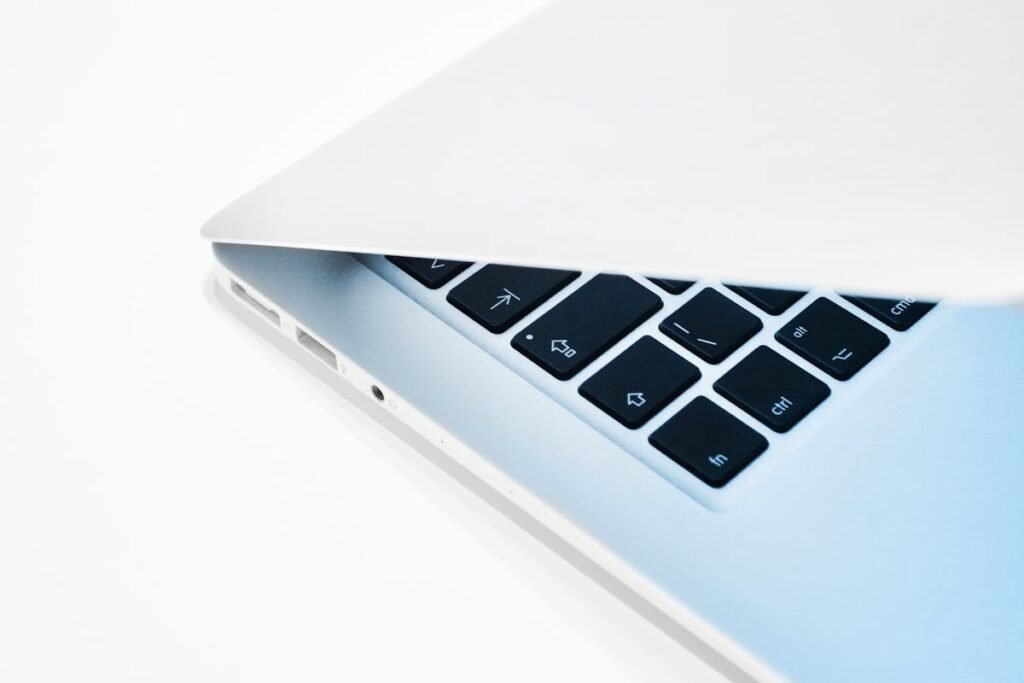
Apple’s shift to custom silicon has dramatically changed what you can and can’t upgrade in a MacBook. This guide covers every MacBook model from 2012 to 2026, telling you exactly which components are upgradeable, which are soldered, and what alternatives exist when your MacBook can’t be physically upgraded.
What You’ll Learn
In this guide, we cover:
- MacBook Upgrade Overview by Generation
- What You CAN Still Do
- The 2012 MacBook Pro Non-Retina — The Last Upgradeable MacBook
- Why Apple Solders Components
- How Much RAM and Storage Should You Buy?
- Our Top Recommendations
- Frequently Asked Questions
MacBook Upgrade Overview by Generation
| MacBook Era | RAM | SSD/Storage | Battery | Wi-Fi |
|---|---|---|---|---|
| MacBook Pro Non-Retina (2012) | ✅ Upgradeable | ✅ Upgradeable | ✅ Replaceable | ✅ Replaceable |
| MacBook Pro Retina (2012-2015) | ❌ Soldered | ✅ Proprietary SSD | ⚠️ Difficult | ❌ Soldered |
| MacBook Air (2013-2017) | ❌ Soldered | ✅ Proprietary SSD | ⚠️ Difficult | ❌ Soldered |
| MacBook Pro Touch Bar (2016-2019) | ❌ Soldered | ❌ Soldered | ⚠️ Glued | ❌ Soldered |
| MacBook Air M1/M2/M3 (2020+) | ❌ Soldered | ❌ Soldered | ⚠️ Glued | ❌ Soldered |
| MacBook Pro M1/M2/M3/M4 (2021+) | ❌ Soldered | ❌ Soldered | ⚠️ Glued | ❌ Soldered |
The bottom line: If you have any MacBook from 2016 onwards, RAM and storage are soldered to the logic board and cannot be upgraded after purchase. The last truly upgradeable MacBook was the 2012 Non-Retina MacBook Pro.
What You CAN Still Do
Even though modern MacBooks can’t have their RAM or SSD physically replaced, there are still useful alternatives:
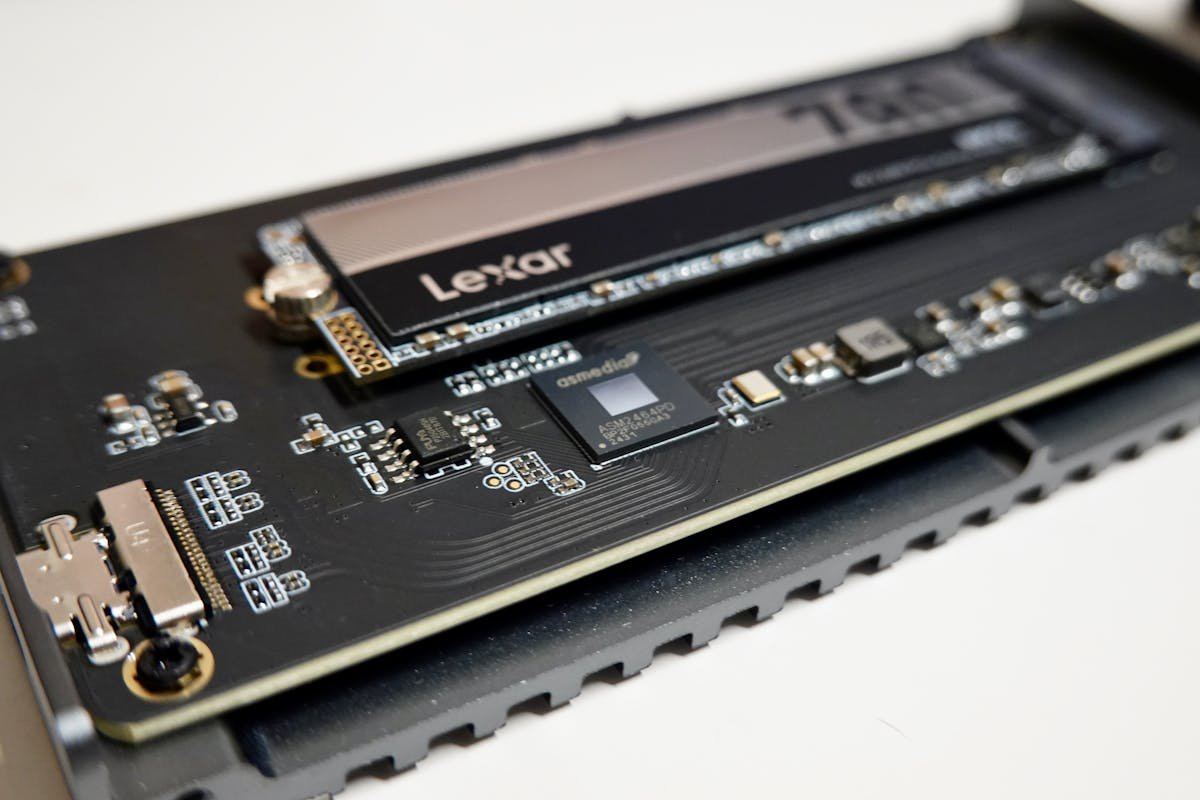
External SSD storage: A USB-C or Thunderbolt external SSD gives you fast additional storage. Thunderbolt 4 drives can hit 2,800MB/s — nearly as fast as internal storage.
Cloud storage: Services like iCloud, Google Drive, and Dropbox can offload files from your internal drive. Apple offers iCloud storage from £0.99/month for 50GB.
USB-C hubs and docks: Expand your port selection with a quality dock, adding SD card readers, USB-A ports, Ethernet, and external display outputs.
Battery replacement: Apple or authorised service providers can replace your MacBook battery. This is one of the few “upgrades” still possible on modern MacBooks. Costs range from £129-£249 depending on model.
The 2012 MacBook Pro Non-Retina — The Last Upgradeable MacBook
The mid-2012 MacBook Pro 13″ (A1278) and 15″ (A1286) are legendary among upgraders. These machines feature standard DDR3 SODIMM slots and a standard 2.5″ SATA drive bay, making upgrades straightforward:
RAM: Upgradeable to 16GB (2x 8GB DDR3L 1600MHz SODIMM). Apple officially supports 8GB, but 16GB works perfectly.
Storage: Any standard 2.5″ SATA SSD works. A 1TB Samsung 870 EVO transforms this machine. You can also remove the optical drive and add a second SSD using a caddy adapter.
If you own one of these machines, upgrading to 16GB RAM and a 500GB SSD costs under £50 total and makes the laptop surprisingly capable for everyday use in 2026.
Why Apple Solders Components
Apple switched to soldered RAM and storage for several practical reasons: thinner and lighter designs, faster memory integration with the processor (especially important for unified memory in Apple Silicon), improved power efficiency, and tighter quality control.
The downside is clear — you must choose the right configuration at purchase time. Apple charges a premium for RAM and storage upgrades at the point of sale (8GB to 16GB costs £200, 256GB to 512GB SSD costs £200), so it’s worth spending more upfront if you think you’ll need it.
How Much RAM and Storage Should You Buy?
Since you can’t upgrade later, choose wisely:
8GB RAM: Fine for basic web browsing, email, documents, and light photo editing. Will feel constrained within 2-3 years.
16GB RAM: The sweet spot for most users. Handles multitasking, moderate photo/video editing, coding, and running virtual machines comfortably.
24-32GB RAM: For professional video editing (4K+), heavy development workloads, running multiple VMs, or large dataset processing.
256GB SSD: Only if you primarily use cloud storage. Most users will find this too limiting.
512GB SSD: The minimum we recommend for most people. Gives comfortable room for apps, documents, and a modest photo library.
1TB+ SSD: Essential if you work with video, large photo libraries, music production projects, or multiple development environments.
Our Top Recommendations
Based on our testing and research, here are our top picks:
Samsung T7 Shield 1TB Portable SSD
Rugged external SSD with 1,050MB/s speeds via USB-C. Perfect for expanding MacBook storage. IP65 rated.
Price: ~£75-90
Check Price on Amazon UK8GB DDR3L 1600MHz SODIMM (for 2012 MacBook Pro)
For owners of the 2012 Non-Retina MacBook Pro — upgrade to 16GB with a pair of these. Massive performance improvement.
Price: ~£10-15 each
Check Price on Amazon UKSamsung 870 EVO 500GB SATA SSD (for 2012 MacBook Pro)
Drop-in SSD upgrade for the 2012 MacBook Pro. Transforms boot times and app loading. Reliable and fast.
Price: ~£40-50
Check Price on Amazon UKFrequently Asked Questions
Can you upgrade RAM on a MacBook Air M3?
No. The MacBook Air M3 has unified memory that is soldered to the chip package. RAM cannot be upgraded after purchase. You must choose 8GB, 16GB, or 24GB at the time of buying.
Can you upgrade the SSD on a MacBook Pro M4?
No. All Apple Silicon MacBooks (M1 through M4) have their SSD storage soldered to the logic board. The storage cannot be replaced or expanded internally.
Is the MacBook Pro 2012 still worth upgrading?
Surprisingly, yes. With 16GB RAM and an SSD (total cost under £50), a 2012 MacBook Pro 13″ can still handle web browsing, documents, email, and light productivity in 2026. However, it’s stuck on macOS Monterey and lacks modern security updates.
How can I get more storage on my MacBook?
Use an external USB-C or Thunderbolt SSD for fast additional storage, or subscribe to iCloud/Google Drive for cloud storage. You cannot upgrade the internal SSD on any MacBook made after 2015.
Why does Apple solder RAM and SSD?
Apple solders components for thinner designs, faster memory performance (unified memory architecture), better power efficiency, and tighter quality control. The trade-off is zero upgradeability after purchase.
Related Apple Upgrade Guides
- Which MacBooks Have Soldered SSD & RAM? Complete List (2012-2026)
- MacBook External Monitor Compatibility
- Apple MacBook Pro 15″ (2013)
- Apple Mac mini (2014)
- Apple MacBook Air 13″ (2017)
- Apple Upgrade Guide
Not sure what fits? Use our free Compatibility Checker covering 3,195+ models.
Helpful Guides
Final Thoughts
Modern MacBooks are essentially sealed units — buy the configuration you need from day one, because you can’t change it later. If you have an older upgradeable MacBook, maximise it with cheap RAM and SSD upgrades. For everyone else, external storage and cloud services are your best options for expanding capacity.
Find Your Perfect Upgrade
Use our free compatibility checker to find exactly the right RAM and SSD for your device.
Check My Device