The Framework Laptop is a revelation — it’s the only laptop on the market designed from the ground up for user upgrades and repairs. Want to upgrade RAM? No tools needed. Swap the SSD? Four screws, tops. Add new ports with expansion cards? Just pop them in. This guide covers all three upgrades in one place.
Framework’s philosophy is straightforward: users should own their devices, and ownership includes the ability to upgrade them. The result is the most user-friendly laptop upgrade experience you’ll find. Everything is modular, clearly labeled, and requires minimal technical knowledge.
What You’ll Need
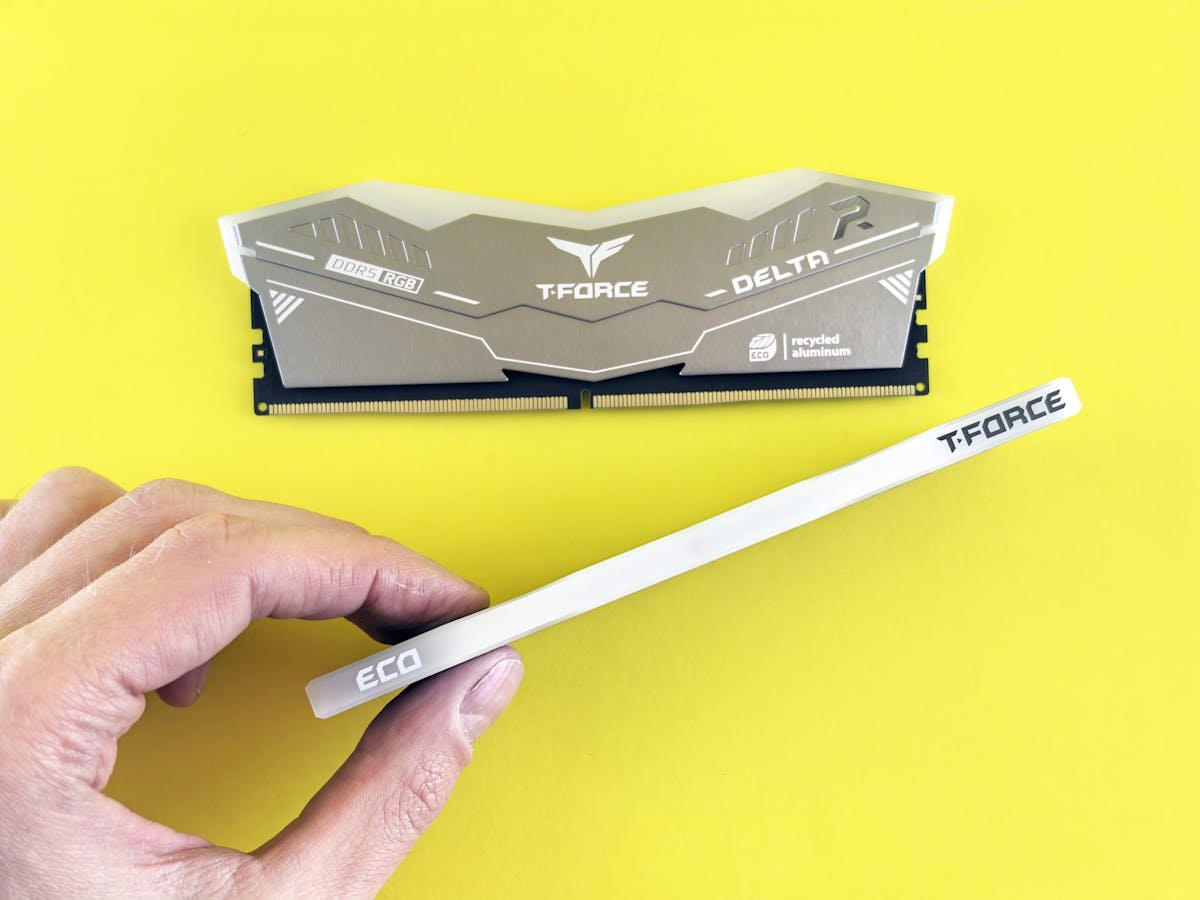
Framework upgrades require minimal tools — in fact, RAM and expansion cards need none at all.
| Item | Purpose | Where to Buy |
|---|---|---|
| Phillips Screwdriver (#0 or #1) (SSD upgrade only) | Remove the four screws holding the SSD retention clip | Amazon UK |
| No tools for RAM! | Framework RAM slots are tool-free — just lift and pop | — |
| LPDDR5 SO-DIMM RAM (32GB recommended) | Upgrade memory (Kingston, Corsair, or SK Hynix) | Amazon UK |
| M.2 2230 NVMe SSD (512GB or 1TB) | Storage upgrade (note: 2230 size, not 2280 — Framework uses compact drives) | Amazon UK |
| Framework Expansion Cards (optional) | Add USB-A, HDMI, SD card, or other ports (just pop them in) | Amazon UK |
Before You Start
Back up your data if you’re replacing the SSD. Back up to cloud storage or an external drive.
Power off and unplug the Framework. Unlike some laptops, Framework is robust and user-friendly, but disconnecting power is always safe practice.
Note: No static wristband needed for RAM! Framework’s design is incredibly forgiving. The RAM slot design and case materials are not sensitive to static like traditional components. That said, avoid touching the gold connector unnecessarily.
Framework is modular — everything is designed to be user-friendly. You can’t break it through normal use during upgrades. Framework specifically markets this durability.
Step-by-Step Guide — RAM Upgrade
Step 1: Locate the RAM Slot (No Tools Needed!)
Close the Framework and flip it over. You’ll see a small rectangular access panel on the underside — it’s clearly marked “RAM” and has a small cutout for your finger. This is the beauty of Framework: everything is labeled and obvious.
Using your fingernail or a plastic spudger, gently lift the access panel. It’s held by a simple clip — it pops open with minimal force. Inside, you’ll see your RAM module.
Step 2: Remove the Old RAM (if upgrading)
If you’re replacing an existing module, gently pull the RAM module straight out. It’s not angled like traditional SO-DIMM slots — it’s tool-free and horizontal. No spring clips, no angles, just straight in and straight out.
If your Framework came with one module and you’re adding a second, the slot is likely empty — skip to Step 3.
Step 3: Insert New RAM
Take your new LPDDR5 SO-DIMM and align it with the slot. Hold it horizontal (parallel to the motherboard) and slide it straight in until it clicks into place. That’s it. No 45-degree angles, no spring clips to worry about. Framework made this idiot-proof on purpose.
If you’re adding a second RAM module (Framework supports dual modules for up to 96GB), insert it into the second slot using the same method.
Step 4: Close the Access Panel
Simply press the RAM access panel closed. You’ll hear a satisfying click. That’s your RAM upgrade complete — no tools, no fuss.
Step-by-Step Guide — SSD Upgrade
Step 1: Locate the SSD
Flip the Framework over again. You’ll see another access panel marked “Storage” — again, clearly labeled and obvious. Use your fingernail or spudger to lift this panel. Inside, you’ll see your M.2 2230 SSD (note: Framework uses the compact 2230 size, not the standard 2280 found in most laptops).
Step 2: Understand the Retention Clip
Unlike traditional M.2 slots, Framework uses a simple retention clip. You’ll see four small Phillips screws holding this clip in place. These screws are tiny — don’t lose them. Set them on a clean surface or use a magnetic screwdriver.
Step 3: Remove the Retention Clip
Using your Phillips screwdriver, remove all four screws. Once removed, gently lift the retention clip away from the SSD. The clip is there just to hold the drive in place — it’s not under any tension.
Step 4: Remove the Old SSD
With the clip removed, gently pull the SSD straight out. Like the RAM, it’s not angled — it’s horizontal and straightforward. Framework’s design eliminates the complexity that makes traditional laptop upgrades frustrating.
Step 5: Insert the New SSD
Take your new M.2 2230 NVMe SSD and align it with the slot. Hold it parallel to the motherboard and slide it straight in. It should sit flush with the motherboard.
Critical note: Framework uses M.2 2230 drives (22mm × 30mm), not the standard 2280 (22mm × 80mm) found in most laptops. Buy a 2230-sized SSD specifically. Using a 2280 will physically not fit.
Step 6: Reinstall the Retention Clip and Screws
Position the retention clip back over the new SSD. Reinstall all four Phillips screws and tighten them firmly (but not hard — they’re tiny and easy to strip). The clip should hold the drive flush against the motherboard.
Step 7: Close the Storage Access Panel
Press the storage access panel closed. You’ll hear a click. Your SSD upgrade is complete.
Step-by-Step Guide — Expansion Card Swaps
Step 1: Locate the Expansion Card Slots
Look at the left and right edges of the Framework laptop. You’ll see four port slots (two on each side) — each slot holds an expansion card. Current cards might be USB-C pass-through, USB-A, HDMI, SD card reader, or other options.
Step 2: Remove an Old Card
To swap a card, simply press it inward slightly (there’s a small click-in mechanism) and it will pop out. No tools, no screws, no hassle. Framework expansion cards are held in by a simple push-to-eject mechanism — exactly like a USB thumb drive.
Step 3: Insert a New Card
Align your new expansion card with an empty (or currently-occupied) slot and press it in until it clicks. That’s it. The card is now active and ready to use.
Want USB-A instead of HDMI? Just swap the cards. No restart needed, no configuration. This is Framework’s killer feature — you can reconfigure your ports in seconds based on what you need today.
Verifying the Upgrade
Power on your Framework. Windows should detect the new components immediately.
RAM Verification: Open Settings → System → About. Look for “Installed RAM” — it should show your new total (e.g., 64GB if you upgraded from 32GB to 32GB + 32GB, or 96GB with a third-party module).
SSD Verification: Open File Explorer and look at “This PC”. Your new SSD should appear with its full capacity. If it shows “Unknown” or “Uninitialized”, right-click in Disk Management and initialize it.
Expansion Cards: If you swapped cards, Windows should auto-detect them. Go to Device Manager and confirm all new devices are listed under “Ports” (for USB-A) or “Other devices” (for HDMI, SD card reader, etc.). Drivers are usually auto-installed.
Troubleshooting
RAM not detected — Power off and reseat the module. Framework RAM slots are tool-free, so just pull it out and push it back in until you hear the click. If one slot doesn’t work, try the other — one slot may be defective (rare but possible).
SSD not detected — Power off and reseat the drive. Ensure the retention clip screws are tight. If it still doesn’t show, update the SSD firmware from the manufacturer (download from their support site).
Expansion card not working — Power off and reseat the card. If it’s still not recognized, check Device Manager for unknown devices. You may need to install drivers from the card manufacturer (rare — most are plug-and-play).
Laptop won’t boot after SSD swap — If this is your primary drive, it’s blank. Install Windows fresh using a Windows installation USB, or clone your old drive to the new one beforehand.
Recommended Upgrades
Framework is perfect for modular, future-proof upgrades. Choose components based on your use case.
Best RAM: Kingston FURY LPDDR5 (32GB) — Fast, reliable, works in Framework. £80–120.
Best SSD: Samsung PM991B (1TB, M.2 2230) — Fast NVMe in the 2230 form factor. £50–80.
Must-Have Expansion Cards: USB-A (for peripherals), HDMI (for projectors/monitors), and SD card reader (for cameras).
Framework supports up to 96GB RAM (3x 32GB modules) and dual M.2 2230 SSDs. For the average user, 32GB + 1TB SSD is more than sufficient. The beauty is you can upgrade later without planning ahead.
FAQ
Do I really not need tools to upgrade Framework?
Correct. RAM and expansion cards need zero tools — just pop them in. SSD requires a Phillips screwdriver for four tiny screws only. It’s genuinely the easiest laptop upgrade on the market.
Why does Framework use M.2 2230 drives instead of standard 2280?
Framework’s compact design (13″ and 16″ thin profile) doesn’t have room for full-length 2280 SSDs. The 2230 size gives plenty of storage (1TB+ options available) in a form factor that fits the slim chassis. It’s a trade-off for modularity and repairability.
Can I use DDR5 RAM in Framework?
No. Framework uses LPDDR5 (low-power DDR5), not standard DDR5. LPDDR5 is soldered to most modern laptops for power efficiency. Framework’s modularity lets you upgrade LPDDR5 modules yourself, but you can’t use desktop DDR5 or laptop DDR5 SO-DIMMs.
Can I add more than two RAM modules?
Framework has one user-accessible RAM slot plus the pre-installed module (in some configurations). Some Framework models support a second user slot, allowing dual modules. Check your specific model’s specs. You cannot upgrade beyond what the motherboard physically supports.
Will the expansion cards work with Windows immediately?
Almost always. USB-A, HDMI, and SD card readers use standard drivers that Windows includes out-of-the-box. Plug in the card, restart if prompted, and it works. No manual driver installation needed for official Framework cards.
How many expansion cards should I carry?
Framework ships with USB-C pass-through cards in every slot. Carry additional cards (USB-A, HDMI, SD card) based on your typical use. Most users benefit from one HDMI + one SD card reader, then swap the USB-A cards as needed. The whole set weighs under 100g.
Recommended Products
These are the products we recommend based on this guide. All links go to Amazon UK where you can check current prices and availability.
| Product | Why We Recommend It | Amazon UK |
|---|---|---|
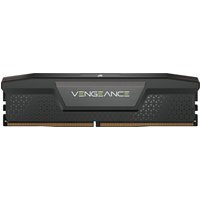
| Corsair Vengeance DDR5 SO-DIMM 32GB (2×16GB) 5600MHz | Top-rated DDR5 kit for gaming & productivity | View on Amazon UK |
| Kingston Fury Impact DDR5 SO-DIMM 32GB (2×16GB) 5600MHz | Excellent DDR5 alternative with XMP support | View on Amazon UK |
| Crucial DDR5 SO-DIMM 16GB 5600MHz | Affordable single-stick DDR5 | View on Amazon UK |
| G.Skill Ripjaws DDR5 SO-DIMM 32GB 5600MHz | High performance DDR5 for enthusiasts | View on Amazon UK |
| WD SN770M 1TB M.2 2230 NVMe | Best 2230 SSD for Dell, Surface, Steam Deck | View on Amazon UK |
| Sabrent Rocket 2230 1TB | Fast 2230 alternative | View on Amazon UK |
| Samsung PM991a 1TB 2230 | OEM-grade 2230 at good prices | View on Amazon UK |
| Samsung 990 Pro 2TB NVMe M.2 2280 | Fastest consumer NVMe — ideal for gaming & editing | View on Amazon UK |
Prices and availability may vary. As an Amazon Associate, we earn from qualifying purchases.
Related Framework Upgrade Guides
- Dynabook Satellite Pro C50-J RAM & SSD Upgrade Guide
- Dynabook Portege X40-K RAM & SSD Upgrade Guide
- Dynabook Portege X30L-K RAM & SSD Upgrade Guide
- Dynabook Tecra A50-K RAM & SSD Upgrade Guide
- Dynabook Tecra A40-K RAM & SSD Upgrade Guide
- Framework Upgrade Guide
Not sure what fits? Use our free Compatibility Checker covering 3,195+ models.