
Affiliate disclosure: this page contains affiliate links — if you buy through them we may earn a commission at no extra cost to you. As an Amazon Associate we earn from qualifying purchases.
/*
POST TITLE: Right to Repair Laptop Guide (2026) — Your Legal Rights & Manufacturer Obligations
SLUG: right-to-repair-laptop-guide-2026
CATEGORIES: [89, 135]
FOCUS KEYWORD: right to repair laptop
META DESCRIPTION: UK and EU right to repair guide. Learn your legal rights to repair and upgrade laptops, and manufacturer obligations in 2026.
*/
Historically, manufacturers have tried to restrict DIY laptop repairs. New right-to-repair laws in the UK and EU are changing this. This guide covers your legal rights, manufacturer obligations, and what’s changing in 2026.
What is Right to Repair?
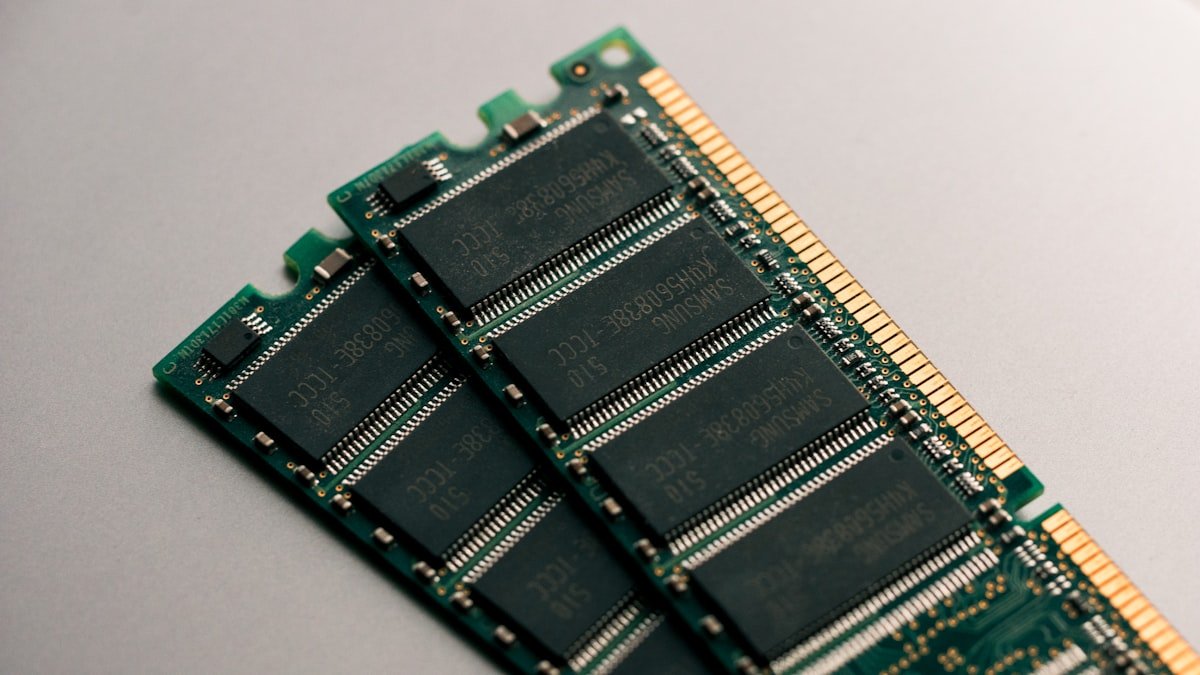
Right to Repair is the legal principle that you own your device and should be able to fix it yourself, or have a third party fix it, without voiding warranty or breaking the law.
Key principles:
- You can access repair manuals and spare parts
- Repairs don’t automatically void warranty
- Security measures can’t prevent legitimate repairs
- Third-party repair shops have equal access to parts and tools
UK & EU Right to Repair Laws (2026)
EU Right to Repair Directive (Active 2025+)
| Requirement | Affected Products | Deadline |
| Manufacturers must provide spare parts | Laptops, phones, appliances (initially) | 2025-2027 |
| Repair manuals must be publicly available | Same as above | 2025+ |
| Repairs can’t void warranty | Consumer goods (broad) | Already law |
| Security patches must remain available | Networked devices | 2025+ |
UK Approach (Post-Brexit)
The UK is developing parallel right-to-repair legislation expected 2026-2027:
- Similar to EU but adapted for UK market
- Focus on waste reduction and product longevity
- Mandatory spare parts availability (5-10 years)
- Repair documentation must be provided
Your Rights as a Consumer (2026)
Right 1: Repair Without Voiding Warranty
The Law: You can repair your laptop (or have it repaired by third parties) without automatically voiding warranty.
In Practice:
- RAM/SSD upgrades do NOT void warranty (parts are explicitly user-serviceable)
- Screen/keyboard repairs may not void warranty if you do the work correctly
- Thermal paste replacement may trigger warranty loss on some brands
- Manufacturer must prove your repair caused the damage to deny warranty
Apple exception: As of 2026, Apple still tries to restrict repairs, but EU law is forcing them to allow more DIY access by late 2026.
Right 2: Access to Spare Parts
The Law (2025+): Manufacturers must sell spare parts to consumers and independent repair shops at fair prices.
In Practice (2026):
- Available now: RAM, SSDs, batteries, fans (most brands)
- Coming soon: Screens, keyboards, motherboards (EU pressure)
- Still restricted: Proprietary components (Apple logic boards, gaming laptop cooling systems)
Search “[Brand] official spare parts” to verify availability.
Right 3: Repair Manuals & Documentation
The Law (2025+): Repair information must be publicly available for a reasonable period (7-10 years minimum).
In Practice (2026):
- Published: Lenovo, Dell, HP provide service manuals online (official policy)
- Limited: Apple, gaming brands still restrict documentation
- Growing trend: More manufacturers publishing manuals due to EU/UK pressure
Check [Brand] support website for “service manual” or “PSREF guide”.
Manufacturer Positions in 2026
| Manufacturer | Right to Repair Stance | Practical Impact |
| Lenovo | Supports; publishes manuals, sells parts | Easiest to repair; official support for DIY |
| Dell | Neutral; allows upgrades, limits screen/keyboard | RAM/SSD upgradeable; screen repairs difficult |
| HP | Mixed; business line supports, consumer doesn’t | EliteBook good; Pavilion limited |
| ASUS | Opposes; discourages DIY | Parts availability poor; manuals limited |
| Apple | Opposes strongly; being forced by EU law | Improving by 2026-2027; still most restrictive |
| Framework | Enthusiastically supports | Most repairable; all parts available; manuals published |
What’s Changing in 2026-2027?
Positive Changes
- More spare parts availability: Screens and keyboards becoming purchasable directly from manufacturers
- Better documentation: EU law forcing all brands to publish repair guides
- Warranty protection: Manufacturer can’t void warranty just because you opened the device
- Reduced prices: Competition from third-party parts will lower repair costs
Remaining Challenges
- Security components (Apple’s Touch ID, gaming laptop cooling) still restricted
- Proprietary connectors prevent third-party innovation
- Some manufacturers delaying compliance (Apple)
- Software locks may still prevent some repairs
How to Exercise Your Right to Repair (2026)
- Check your warranty: Verify that repairs aren’t automatically covered before DIY
- Download repair manual: Search “[Brand] [Model] service manual” or PSREF guide
- Buy certified parts: Use official manufacturer parts where available
- Document your work: Take photos/video during repair as evidence if issues arise
- Request warranty support: If repairs fail, manufacturer must prove your repair caused it
Resources for Right to Repair (2026)
- iFixit.com: Repair guides and part availability database
- Right to Repair EU: Official EU directive information
- Manufacturer support sites: Download service manuals directly
- Framework Laptop: Reference example of right-to-repair design
Related Guides
- Laptop Upgrade Difficulty Ratings by Brand
- How to Check Laptop Warranty Before Upgrading
- Best Laptop Brands for Upgradeability (2026)
FAQ
Recommended Products
Looking for compatible upgrades? Here are our top picks available on Amazon:
Recommended upgrades
As an Amazon Associate we earn from qualifying purchases. Prices & availability shown on Amazon.
For laptops and mini PCs that use DDR5 SO-DIMM
For laptops and mini PCs that use DDR4 SO-DIMM
M.2 2280 NVMe SSDs
How we verify this guide
We cross-reference compatibility figures against manufacturer specifications where available, official service manuals, and the standards that govern fit — memory type and speed (DDR4 / DDR5 / LPDDR5), maximum supported capacity and slot count, SSD form factor and interface (M.2 2280, NVMe PCIe vs SATA, keying), and charger wattage and connector (USB-C Power Delivery, GaN). We’re explicit about soldered or non-upgradeable parts, prioritise primary sources over retailer listings, and re-verify the data on a regular cycle. More on our method →