
Affiliate disclosure: this page contains affiliate links — if you buy through them we may earn a commission at no extra cost to you. As an Amazon Associate we earn from qualifying purchases.
Healthcare professionals juggle electronic health records (EHRs), medical imaging, telehealth platforms, and encrypted communication tools. NHS and private healthcare laptops need to be fast, secure, and reliable.
Recommended Upgrades
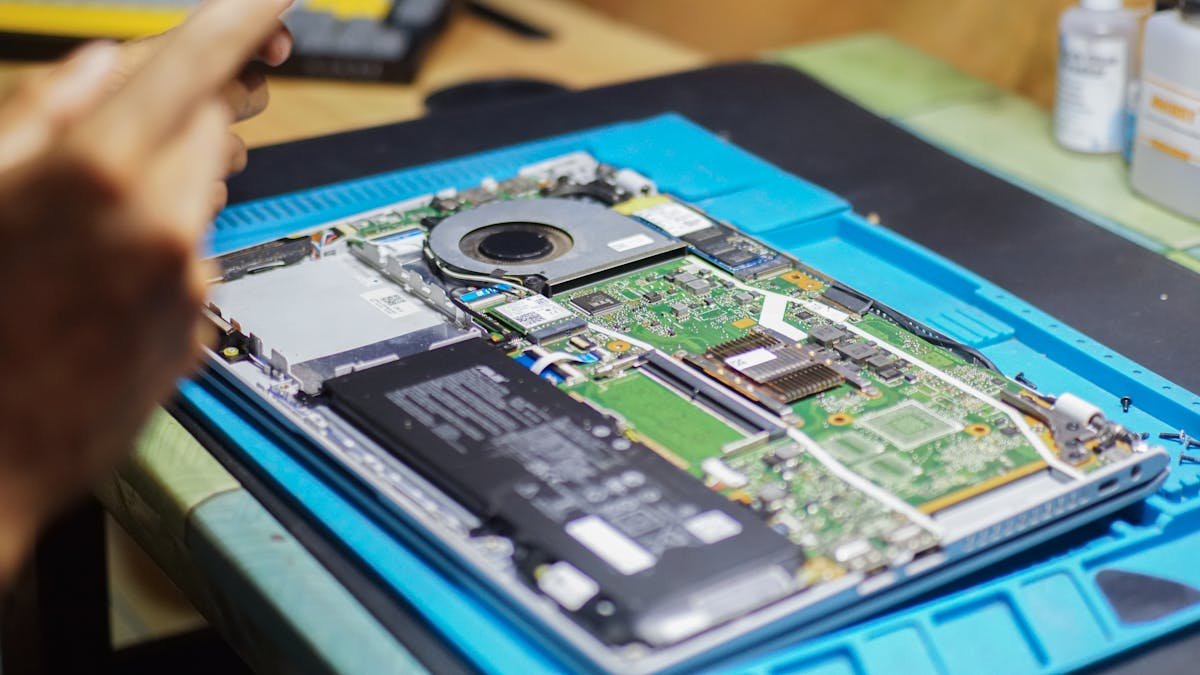
| Upgrade | Healthcare Benefit | Cost* |
|---|---|---|
| RAM: 8GB → 16GB | Faster EHR access | ~£18 |
| SSD: 1TB (encrypted) | Secure patient data | ~£50 |
| Privacy Screen Filter | GDPR/confidentiality | ~£25 |
Data Security Compliance
NHS organisations must comply with GDPR and NHS Digital security standards. Always enable BitLocker/FileVault on upgraded SSDs. Consult your IT department before upgrading NHS-issued equipment.
Frequently Asked Questions
Can I upgrade an NHS laptop myself?
Generally no — work with your IT department to request upgrades through official channels.
Is SSD encryption mandatory?
Yes — any device accessing patient data must use full-disk encryption per NHS Digital and GDPR requirements.
Recommended upgrades
As an Amazon Associate we earn from qualifying purchases. Prices & availability shown on Amazon.
For laptops and mini PCs that use DDR5 SO-DIMM
For laptops and mini PCs that use DDR4 SO-DIMM
M.2 2280 NVMe SSDs
How we verify this guide
We cross-reference compatibility figures against manufacturer specifications where available, official service manuals, and the standards that govern fit — memory type and speed (DDR4 / DDR5 / LPDDR5), maximum supported capacity and slot count, SSD form factor and interface (M.2 2280, NVMe PCIe vs SATA, keying), and charger wattage and connector (USB-C Power Delivery, GaN). We’re explicit about soldered or non-upgradeable parts, prioritise primary sources over retailer listings, and re-verify the data on a regular cycle. More on our method →
*Indicative UK street prices, shown for guidance only. These are not live Amazon prices and change frequently — check the current price on Amazon before buying.