
Affiliate disclosure: this page contains affiliate links — if you buy through them we may earn a commission at no extra cost to you. As an Amazon Associate we earn from qualifying purchases.
The Dell XPS 15 and MacBook Pro 16 are premium 15–16″ workstations for video editors, designers, and developers. While both have soldered RAM, there’s an important difference in storage: Dell’s XPS 15 may offer replaceable SSD options on some models, while the MacBook Pro 16 has everything soldered.
This guide compares upgrade potential, storage options, charger systems, and port connectivity to help you evaluate long-term value and ecosystem lock-in.
Quick Verdict Table
| Upgrade Path | Dell XPS 15 | MacBook Pro 16 |
|---|---|---|
| RAM Upgradeable | No (soldered) | No (soldered) |
| SSD Upgradeable | Possibly (model dependent) | No (soldered) |
| Charger Type | USB-C PD 65W–140W | USB-C 96W–140W or MagSafe 3 |
| Charger Portability | Standard USB-C (shared chargers) | Apple proprietary or Thunderbolt |
| Ports | 2x USB-C, 1x SD card, 1x headphone jack | 3x Thunderbolt 4, 1x HDMI, 1x 3.5mm jack |
| Best For | Windows creators, USB-C flexibility | MacOS ecosystem, video/design work |
RAM Upgrade Reality
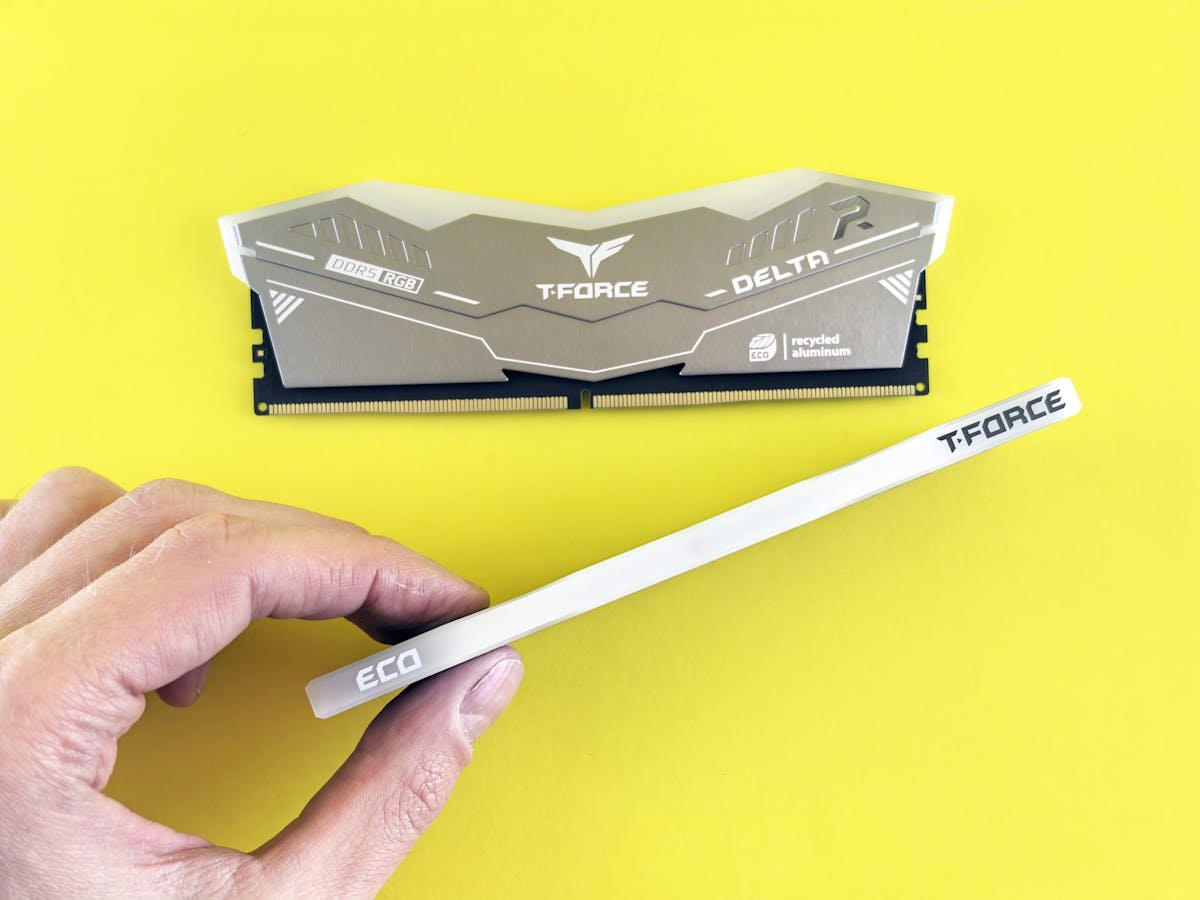
Both laptops have non-upgradeable, soldered RAM — but they differ in maximum configuration.
Dell XPS 15 typically maxes out at 32GB DDR5, rarely 48GB depending on generation.
MacBook Pro 16 with M3 Max or M4 Max chips can be configured up to 64GB DDR5 onboard, and the memory is permanently soldered to the logic board.
For most creative work (4K video, Photoshop, 3D rendering), 32GB is adequate. For heavy AI workloads or complex VFX, 48GB–64GB provides headroom. Since neither is upgradeable, choose your config carefully at purchase time — it’s permanent for the laptop’s lifespan.
Storage Upgrade Path — The Key Difference
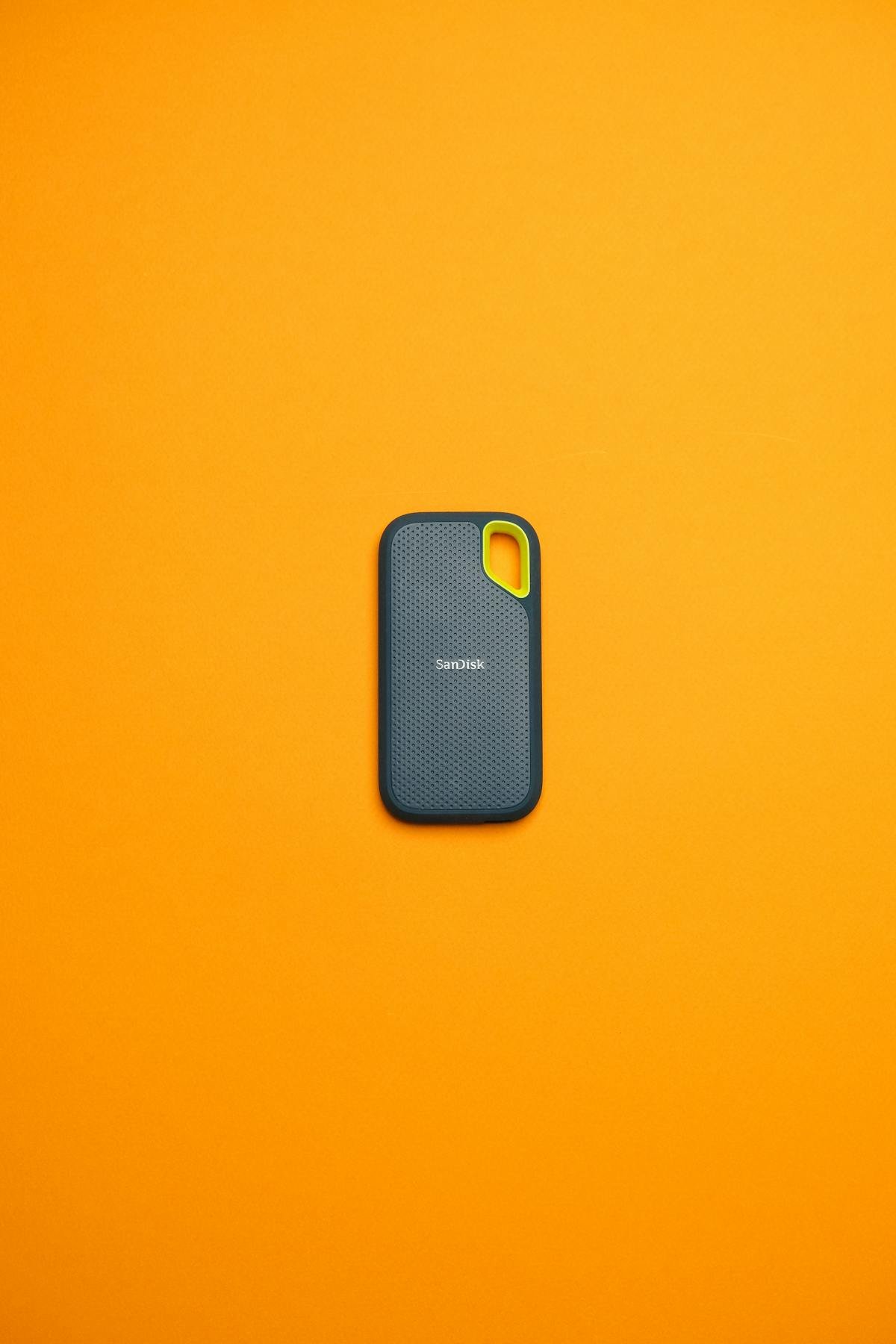
This is where Dell XPS 15 has a potential advantage over MacBook Pro 16.
Dell XPS 15 (2024–2026 models) may include a user-replaceable M.2 2280 or M.2 2230 SSD in some configurations. Check your specific SKU — not all XPS 15 models have this. If yours does, you can upgrade the drive later (Samsung 990 Pro, WD Black, etc.).
MacBook Pro 16 has fully soldered SSD storage with no upgrade path. Your storage capacity is locked at purchase. If you buy 512GB, you’re limited to 512GB forever.
For video professionals working with 4K/8K footage, storage becomes critical. Dell’s potential for SSD upgrades (on eligible models) provides modest long-term flexibility. MacBook forces maximum storage at purchase time.
Charger & Power Systems
Both are high-wattage chargers, but the ecosystem differs.
Dell XPS 15 uses standard USB-C Power Delivery, typically 65W–140W depending on configuration. Any USB-C PD charger rated for that wattage works — you can share with other USB-C devices (tablets, phones if they support high-wattage PD, other laptops).
MacBook Pro 16 uses proprietary MagSafe 3 as the primary charger (96W–140W), though it also supports USB-C Power Delivery via Thunderbolt ports. The MagSafe connector is Apple-exclusive, and you’ll need Apple’s charger or a third-party MagSafe 3 alternative. MagSafe is convenient (magnetic, safe) but locks you into Apple’s ecosystem.
For shared household chargers or working in offices with diverse equipment, Dell’s USB-C flexibility is superior. If you’re Apple-only, MagSafe is seamless.
Ports & Connectivity
Dell XPS 15 includes 2x USB-C (often Thunderbolt on higher tiers), 1x SD card reader, and 1x 3.5mm headphone jack. The SD card slot is valuable for photographers and videographers transferring footage directly from cameras.
MacBook Pro 16 includes 3x Thunderbolt 4 ports, 1x HDMI 2.1 (rare on laptops), and 1x 3.5mm headphone jack. More Thunderbolt ports mean you can daisy-chain multiple high-speed devices without a dock.
For video editors, MacBook’s HDMI output is convenient for direct monitor connection. Dell’s SD slot is vital for photographer workflows. Most users will dock anyway, making this difference minor.
Which Should You Choose?
Choose Dell XPS 15 if: You need Windows, you want USB-C charging flexibility with shared chargers, and you specifically want an SSD upgrade path (confirm your model supports it). Photographers appreciate the SD card slot.
Choose MacBook Pro 16 if: You’re in the macOS ecosystem, you prioritise maximum RAM capacity upfront (up to 64GB), you want HDMI output, and you value MagSafe charging convenience and safety.
Full Specifications Comparison
| Specification | Dell XPS 15 | MacBook Pro 16 |
|---|---|---|
| Processor | Intel Core Ultra H-series | Apple M3 Max / M4 Max |
| RAM (Stock) | 16GB, 32GB, or 48GB (soldered) | 18GB, 36GB, or 64GB (soldered) |
| Max RAM | 48GB typical | 64GB |
| Storage (Stock) | 512GB–2TB (may be replaceable) | 512GB–8TB (soldered) |
| Storage Upgrade | Possibly (confirm model) | None — soldered SSD |
| Display | 15.6″ 4K OLED or FHD IPS | 16″ Liquid Retina ProMotion 3456×2234 |
| Graphics | Intel Arc (integrated) | Apple 10-core or 20-core GPU |
| Charger | USB-C PD 65W–140W | USB-C or MagSafe 3 (96W–140W) |
| Ports | 2x USB-C, 1x SD, 1x 3.5mm jack | 3x Thunderbolt 4, 1x HDMI, 1x 3.5mm jack |
| Weight | 1.81–1.94 kg | 2.15 kg |
| Battery | 86–101Wh | 99.6Wh |
Frequently Asked Questions
Can I upgrade storage on Dell XPS 15 or MacBook Pro 16?
Dell XPS 15 (2024–2026 models) may have a replaceable M.2 SSD on some SKUs — check your configuration. MacBook Pro 16 has fully soldered SSD with zero upgrade potential. If storage upgrades matter, verify your XPS 15 model before purchase.
Is RAM upgradeable on either laptop?
No. Both have soldered DDR5 RAM directly to the motherboard. MacBook Pro 16 maxes at 64GB; Dell XPS 15 at 32–48GB. Buy your maximum needed capacity at purchase — it cannot change.
Which charger system is more flexible?
Dell XPS 15 uses standard USB-C PD, compatible with any high-wattage USB-C charger. MacBook Pro 16 uses proprietary MagSafe 3 (or USB-C via Thunderbolt ports). Dell is more ecosystem-agnostic.
Does MacBook Pro 16 HDMI output matter?
It’s convenient for direct monitor connection without a dock. Dell requires a USB-C dock or adapter for HDMI output. For office docking, it’s a minor convenience; for mobile work, it’s rarely needed.
Why does Dell XPS 15 have an SD card slot?
The SD card reader allows photographers and videographers to transfer media directly from cameras without adapters. MacBook Pro 16 doesn’t have an SD slot — you’ll need an external USB-C card reader.
Which is better for 4K/8K video work?
MacBook Pro 16 with M3/M4 Max is faster for video encoding (Apple silicon advantage). Dell XPS 15 has potential SSD upgrades (if your model supports it) for additional storage. Choose based on your software ecosystem (Final Cut vs Premiere/DaVinci).
Where to Buy
Looking for compatible components? Check current prices and availability:
Recommended Products
These are the products we recommend based on this guide. All links go to Amazon where you can check current prices and availability.
| Product | Why We Recommend It | Amazon |
|---|---|---|
| Corsair Vengeance DDR5 SO-DIMM 32GB (2×16GB) 5600MHz | Top-rated DDR5 kit for gaming & productivity | View on Amazon |
| Kingston Fury Impact DDR5 SO-DIMM 32GB (2×16GB) 5600MHz | Excellent DDR5 alternative with XMP support | View on Amazon |
| Crucial DDR5 SO-DIMM 16GB 5600MHz | Affordable single-stick DDR5 | View on Amazon |
| G.Skill Ripjaws DDR5 SO-DIMM 32GB 5600MHz | High performance DDR5 for enthusiasts | View on Amazon |
| WD SN770M 1TB M.2 2230 NVMe | Best 2230 SSD for Dell, Surface, Steam Deck | View on Amazon |
| Sabrent Rocket 2230 1TB | Fast 2230 alternative | View on Amazon |
| Samsung PM991a 1TB 2230 | OEM-grade 2230 at good prices | View on Amazon |
| Samsung 990 Pro 2TB NVMe M.2 2280 | Fastest consumer NVMe — ideal for gaming & editing | View on Amazon |
Prices and availability may vary. As an Amazon Associate, we earn from qualifying purchases.
Related Guides
- Dynabook Laptop Upgrades
- Huawei Laptop Upgrades
- Ram Compatibility
- Ssd Compatibility
- Best Ram For Dell Xps 15
Recommended upgrades
As an Amazon Associate we earn from qualifying purchases. Prices & availability shown on Amazon.
USB-C chargers (only for laptops that charge over USB-C — match or exceed your original adapter wattage)
How we verify this guide
We cross-reference compatibility figures against manufacturer specifications where available, official service manuals, and the standards that govern fit — memory type and speed (DDR4 / DDR5 / LPDDR5), maximum supported capacity and slot count, SSD form factor and interface (M.2 2280, NVMe PCIe vs SATA, keying), and charger wattage and connector (USB-C Power Delivery, GaN). We’re explicit about soldered or non-upgradeable parts, prioritise primary sources over retailer listings, and re-verify the data on a regular cycle. More on our method →

