Affiliate disclosure: this page contains affiliate links — if you buy through them we may earn a commission at no extra cost to you. As an Amazon Associate we earn from qualifying purchases.
Mini PC as a Home Server or NAS — Setup Guide (2026)
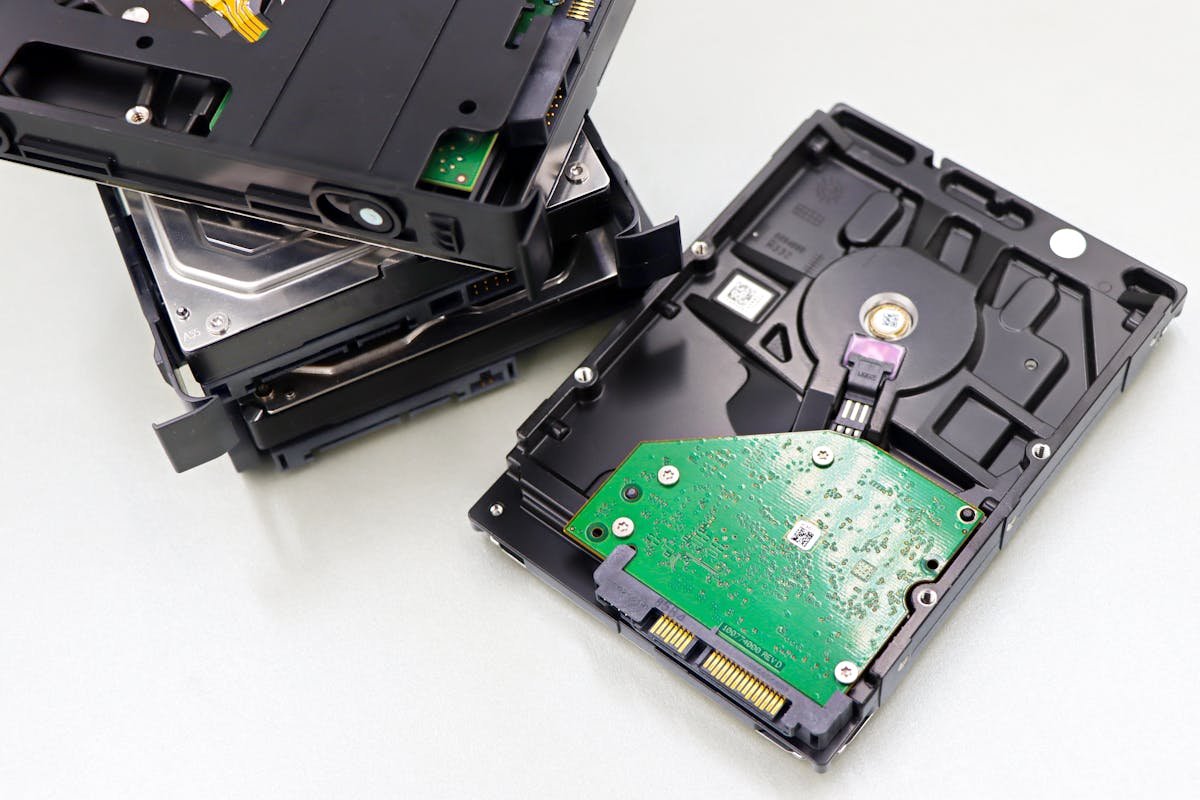
A mini PC makes an excellent home server or NAS (Network-Attached Storage) device. Unlike dedicated NAS boxes, mini PCs offer incredible flexibility, better performance, and lower cost. This guide covers hardware selection, software choices, and complete setup.
Why a Mini PC Beats a Dedicated NAS
| Factor | Mini PC Server | Dedicated NAS (Synology) |
|---|---|---|
| Flexibility | Run any OS: TrueNAS, Unraid, Proxmox, Linux, Windows | Locked into proprietary Synology DSM OS |
| CPU Power | Core i3–i7 (modern, fast) | Atom or ARM processor (limited) |
| RAM | Upgradeable to 32+ GB | Usually fixed, max 8–16 GB |
| Docker / VMs | Full support for Docker, Kubernetes, VMs | Limited or no support |
| Extensibility | Add storage via USB, M.2, SATA bays | Limited expansion; often via proprietary enclosures |
| Cost (4-bay equiv.) | £300–500 (hardware only) | £700–1200 |
| Noise | Can be fanless (silent) | Fans always on |
| 24/7 Reliability | Good (if fanless/passive cooled) | Excellent (designed for this) |
Bottom line: Mini PCs win on cost, performance, and flexibility. NAS boxes win on simplicity and vendor support. For tech-savvy users, mini PCs are better.
Best Mini PC Hardware for Home Servers
Entry-Level (Budget Server, Light Workloads)
Recommended spec: Intel Celeron or Core i3, 8 GB RAM, 1 TB SSD (OS), secondary 2–4 TB storage.
Cost: £150–300.
Best models:
- Lenovo ThinkCentre M70q Tiny (fanless option available)
- ASUS VivoMini (low power, quiet)
- Budget Minisforum models
Use cases: Home file sharing, media streaming to 1–2 devices, lightweight Docker containers.
Mid-Range (Serious Home Server, Docker / Light VMs)
Recommended spec: Intel Core i5 (12th gen+), 16 GB RAM, 512 GB NVMe SSD (OS), 2–4 TB secondary storage.
Cost: £300–500.
Best models:
- Intel NUC 12 or 13
- Minisforum HX80G
- ASUS PN50 / PN53
Use cases: Home media server (Jellyfin/Plex), Docker hosting (10–20 containers), light VM workloads, home automation (Home Assistant, Node-RED).
High-Performance (Powerhouse Server, Serious Workloads)
Recommended spec: Intel Core i7 (13th gen+) or AMD Ryzen 7, 32 GB+ RAM, 1 TB NVMe SSD (OS), 4–8 TB secondary storage (RAID array if possible).
Cost: £500–1000.
Best models:
- Minisforum HX99G (excellent balance of performance and compactness)
- High-spec Intel NUC 13
- ASUS ProArt mini PCs
Use cases: Large Plex server (4K transcoding), Kubernetes clusters, Proxmox hypervisor hosting 10+ VMs, heavy Docker workloads, video encoding/transcoding.
Storage Expansion Options
M.2 NVMe SSD (Fast, Primary OS)
Install your main OS and operating software on a fast M.2 NVMe SSD (512 GB–1 TB). This is your system drive.
Benefit: Blazing fast boot times and app responsiveness.
Cost: £50–150.
2.5″ SATA SSD / HDD (Secondary Storage)
Many mini PCs include a 2.5″ SATA bay. Add a secondary drive here for bulk storage (media, backups).
Options:
- 2.5″ SSD: Fast SSD drives (550 MB/s), expensive per GB, best for active databases. (£100–300 for 2 TB)
- 2.5″ HDD: Affordable HDD storage (120 MB/s) but cheap, good for media libraries and backups. (£50–150 for 2 TB)
Recommendation: Use SSD for your OS, HDD for bulk media storage.
External USB Drives (Maximum Flexibility)
No internal bay available? Add external USB 3.1 drives. Not as fast as internal SATA, but flexible and portable.
Benefit: Easy expansion. No opening your mini PC.
Cost: External 4 TB drives start at £80–120.
NAS Enclosure (Multiple Drives with RAID) / 2.5GbE Networking
For serious redundancy, add a 4-bay NAS enclosure connected via USB 3.1 or Ethernet (if it’s a separate NAS).
Boost network speed:
- 2.5GbE USB adapters — Faster than standard Gigabit Ethernet for server use.
Popular NAS options:
- QNAP or Synology expansion enclosures (expensive but professional-grade)
- Cheap generic 4-bay USB enclosures (budget-friendly, less reliable)
RAID configuration: RAID 1 (mirroring) or RAID 6 (dual-parity) protects against drive failures.
Recommended Storage Setup for Home Servers
| Setup | OS Drive | Data Drive 1 | Data Drive 2 (Optional) | Total Cost |
|---|---|---|---|---|
| Budget | 256 GB SSD | 2 TB HDD (internal SATA) | None | £60–80 |
| Standard | 512 GB NVMe SSD | 4 TB HDD (internal SATA) | None (or external USB) | £100–150 |
| Redundant (Recommended) | 512 GB NVMe SSD | 2× 4 TB HDD (RAID 1 via USB enclosure) | Optional: 3rd external drive for offsite backup | £200–300 |
| Powerhouse | 1 TB NVMe SSD | 4 TB SSD or HDD | 6–8 TB RAID array (external or internal bays) | £400–600 |
Operating System & Software Choices
TrueNAS (Best for NAS-Focused Server)
What it is: Open-source NAS operating system built on FreeBSD. Excellent for file sharing and storage management.
Strengths:
- Professional RAID support (including advanced options like RAID-Z).
- Built-in Samba (Windows file sharing), NFS, iSCSI.
- Excellent documentation.
- Rock-solid reliability (used by enterprises).
- Free and open-source.
Weaknesses:
- Less flexible than Linux for non-NAS workloads.
- Steeper learning curve.
- Limited Docker support (possible via jails, but complex).
Best for: Pure NAS functionality. File backup, media serving, redundant storage.
Cost: Free.
Unraid (Best for Flexibility + Simplicity)
What it is: Linux-based OS designed for servers and NAS. Offers a balance of storage, Docker, and VM support.
Strengths:
- Exceptional Docker ecosystem (1000s of pre-built containers).
- RAID support without performance penalty (unique implementation).
- Web-based GUI (easy to use).
- Community-driven with excellent forum support.
- Can run VMs alongside Docker containers.
Weaknesses:
- License required (free for single drive, £60 one-time for multi-drive).
- Slightly less professional than TrueNAS.
- Niche community (smaller than Linux/Windows).
Best for: Home lab servers with mixed workloads (storage + Docker + VMs).
Cost: Free (single drive), £60 (multiple drives).
Proxmox (Best for VM-Heavy Workloads)
What it is: Linux-based hypervisor for running virtual machines at scale.
Strengths:
- Excellent for running 5+ VMs simultaneously.
- Clustering support (run multiple Proxmox servers as one).
- Professional-grade (used in datacentres).
- Free and open-source.
Weaknesses:
- Less user-friendly than Unraid for storage/NAS functionality.
- Steep learning curve (designed for admins, not consumers).
- Docker available but not as integrated as Unraid.
Best for: Home labs running multiple Linux/Windows VMs. Kubernetes clusters.
Cost: Free.
Linux (Ubuntu Server / Debian)
What it is: Standard Linux OS. You build everything yourself.
Strengths:
- Maximum flexibility. Do anything.
- Native Docker support (perfect for containerized applications).
- Lightweight (low resource usage).
- Free and open-source.
Weaknesses:
- No GUI — command-line only (steep learning curve).
- RAID requires manual setup (more complex).
- No out-of-the-box storage management.
Best for: Advanced users comfortable with Linux. Custom applications and workloads.
Cost: Free.
Windows Server
Not recommended for home use. Windows Server costs money (£100–500 per license), consumes more power, and is overkill for home servers. Stick with TrueNAS, Unraid, or Linux.
Quick OS Recommendation by Use Case
| Use Case | Best OS | Second Choice |
|---|---|---|
| Pure NAS (file sharing, backups) | TrueNAS | Unraid |
| Mixed NAS + Docker server | Unraid | Ubuntu Server |
| VM-heavy home lab | Proxmox | Unraid |
| Media server (Plex, Jellyfin) | Unraid | Ubuntu Server |
| Home automation (Home Assistant) | Ubuntu Server or Unraid | TrueNAS (via plugins) |
| Kubernetes / advanced containers | Ubuntu Server or Proxmox | None (specialized setup) |
Popular Applications to Run on Your Mini PC Server
Media Streaming
Plex Media Server: Commercial option. Powerful transcoding, remote access, beautiful UI. Cost: Free or Premium (£3–5/month).
Jellyfin: Open-source Plex alternative. Free, no ads, no remote access limitations. Ideal if you want complete privacy.
Kodi: Media centre software. Good for local playback; less suited to central server.
Home Automation
Home Assistant: Open-source home automation hub. Control lights, thermostats, security cameras from one interface. Excellent community.
Node-RED: Visual programming tool for automating workflows. Pairs well with Home Assistant.
File Sharing & Backup
Samba / SMB: Windows file sharing protocol. Built into TrueNAS and Unraid.
NFS: Network File System. Faster than Samba for Linux clients.
Nextcloud: Open-source Dropbox alternative. Sync files across devices, share with others.
Docker Containers (Advanced)
Popular images: Elasticsearch, Grafana, InfluxDB, Pi-hole (network-wide ad blocking), Syncthing (file sync).
Docker management UI: Portainer or Unraid’s built-in Docker interface.
Networking: Connectivity & Performance
Gigabit Ethernet (Essential)
Your mini PC must have at least 1× Gigabit Ethernet (1000 Mbps). All modern mini PCs include this.
Throughput: ~120 MB/s (practical, accounting for overhead).
Use case: Sufficient for file sharing and media streaming to 2–3 devices simultaneously.
2.5 Gigabit Ethernet (Recommended for Larger Setups)
Available on some higher-end mini PCs. 2.5× faster than Gigabit.
Throughput: ~300 MB/s (practical).
Cost: Usually included on mid-to-high range systems. Add USB-to-2.5GbE adapters if needed (£30–50).
10 Gigabit Ethernet (Overkill for Home Use)
Rarely included on mini PCs. Available via Thunderbolt 3 adapters (expensive and unnecessary for most homes).
WiFi (Not Recommended for Server)
Never run your home server over WiFi. Wired Ethernet only. WiFi is unstable for 24/7 continuous connections. Use Ethernet even if your mini PC is next to your router.
Power Consumption & Running Costs
A 24/7 server’s electricity cost matters over time:
| Mini PC Type | Idle Power (Watts) | Load Power (Watts) | Annual Cost (£0.30/kWh) |
|---|---|---|---|
| Budget fanless (Celeron, passive cooled) | 10–15W | 30–40W | £30–40 |
| Mid-range (Core i5, active cooling) | 30–40W | 70–90W | £80–120 |
| High-performance (Core i7, gaming-class) | 50–60W | 120–150W | £150–200 |
| Dedicated NAS (Synology DS920+) | 30W | 60W | £80–100 |
Money-saving tip: Fanless mini PCs are cheapest to run 24/7. Passive cooling uses zero electricity for fans.
Complete Home Server Setup (Step-by-Step)
Step 1: Select your hardware. Choose a mini PC from the recommendations above (budget £200–500).
Step 2: Add storage. Install a secondary 2–4 TB drive (budget £50–150).
Step 3: Choose your OS. For most homes, Unraid or Ubuntu Server is ideal (start here).
Step 4: Install the OS. Download the ISO, create a bootable USB, and install on your mini PC’s SSD.
Step 5: Configure networking. Set a static IP address on your mini PC so it doesn’t change.
Step 6: Add applications. Install Plex, Home Assistant, or Docker containers based on your needs.
Step 7: Configure backups. Set up automated backups to an external drive or cloud service.
Step 8: Secure your server. Enable firewall rules, strong passwords, and (if exposing to internet) VPN access.
Step 9: Monitor performance. Use Grafana or Unraid’s built-in stats to monitor CPU, RAM, and storage usage.
Recommended Complete Setup (2026)
Hardware: Minisforum HX80G (Core i5, 16 GB, fanless option) — £350.
Storage: 512 GB NVMe SSD (OS) + 4 TB 2.5″ HDD (data) — £120.
OS: Unraid — Free (for single drive) or £60 (for multi-drive license).
Applications: Plex (free tier), Home Assistant (free), Docker for Syncthing / Pi-hole (free).
Total cost: £470–530 upfront. Annual running cost: £80–100 in electricity.
Result: A fully functional home server rival to a £700–1200 Synology NAS, with far better performance and flexibility.
FAQ: Mini PC as Home Server
Q1: Will my mini PC stay cool running 24/7?
Yes, if fanless or passive-cooled. Most mini PCs are designed for continuous operation. Ensure proper ventilation and avoid blocking exhaust vents.
Q2: What happens if my mini PC crashes?
Your data is safe if stored on a separate drive. Unraid and TrueNAS protect against single drive failure via RAID. Always maintain off-site backups.
Q3: Can I access my server remotely?
Yes. Plex, Jellyfin, Nextcloud, and Home Assistant all offer remote access. Use VPN for privacy (Wireguard or OpenVPN).
Q4: Should I upgrade to a dedicated NAS instead?
Only if you value simplicity and vendor support over cost and flexibility. For tech-savvy users, mini PCs are better value.
Q5: How much storage do I actually need?
Minimum 2 TB (OS + small media library). For a decent Plex library: 4–8 TB. For serious archiving: 10+ TB.
Q6: Can I add more storage later?
Yes, easily. Add USB external drives, or swap the internal SATA drive if your mini PC has a bay. No permanent decision.
Next Steps
Ready to build your home server? Start with a mid-range mini PC and Unraid OS. Check out the mini PC buying guide for specific model recommendations, or explore our SSD upgrade guide for storage expansion tips.
Recommended Products
These are the products we recommend based on this guide. All links go to Amazon where you can check current prices and availability.
| Product | Why We Recommend It | Amazon |
|---|---|---|
| Corsair Vengeance DDR4 SO-DIMM 32GB (2×16GB) 3200MHz | Best overall DDR4 upgrade kit | View on Amazon |
| Kingston Fury Impact DDR4 SO-DIMM 32GB (2×16GB) 3200MHz | Reliable alternative with tight latency | View on Amazon |
| Crucial DDR4 SO-DIMM 16GB 3200MHz | Budget single-stick upgrade | View on Amazon |
| Samsung DDR4 SO-DIMM 32GB 3200MHz | OEM-quality for business laptops | View on Amazon |
| Samsung 990 Pro 2TB NVMe M.2 2280 | Fastest consumer NVMe — ideal for gaming & editing | View on Amazon |
| WD Black SN850X 2TB NVMe | Excellent Gen4 speed with heatsink option | View on Amazon |
| Crucial P5 Plus 1TB NVMe | Great value Gen4 SSD | View on Amazon |
| Kingston NV2 1TB NVMe | Budget-friendly with solid reliability | View on Amazon |
Prices and availability may vary. As an Amazon Associate, we earn from qualifying purchases.
Related Guides
- Mac Mini Upgrades
- Lenovo Thinkcentre Mini Pc Upgrades
- Mini Pc Vesa Mount Guide
- Mini Pc Wifi Card Upgrade
- How Much Power Does Mini Pc Use
Recommended upgrades
As an Amazon Associate we earn from qualifying purchases. Prices & availability shown on Amazon.
NAS hard drives
How we verify this guide
We cross-reference compatibility figures against manufacturer specifications where available, official service manuals, and the standards that govern fit — memory type and speed (DDR4 / DDR5 / LPDDR5), maximum supported capacity and slot count, SSD form factor and interface (M.2 2280, NVMe PCIe vs SATA, keying), and charger wattage and connector (USB-C Power Delivery, GaN). We’re explicit about soldered or non-upgradeable parts, prioritise primary sources over retailer listings, and re-verify the data on a regular cycle. More on our method →