
Affiliate disclosure: this page contains affiliate links — if you buy through them we may earn a commission at no extra cost to you. As an Amazon Associate we earn from qualifying purchases.
This comprehensive guide covers RAM and SSD upgrade compatibility across the entire product line, helping you identify your exact model and select compatible components for optimal performance.
Product Line Overview
The product line offers multiple chassis designs and configurations to suit different use cases. From compact office systems to powerful tower computers, each model supports specific upgrade paths. This guide details the specifications, slot configurations, and maximum capacities for the entire range.
Master Compatibility Table
Reference the table below to find your exact model and its specifications:
| Model | RAM Type | Max RAM | Storage Options | Year |
| Series Entry | DDR4 | 64GB | M.2 NVMe + SATA | 2020-2021 |
| Series Mid-Range | DDR4 | 128GB | M.2 NVMe + SATA | 2021-2022 |
| Series Premium | DDR4/DDR5 | 128GB | M.2 NVMe x2 | 2022-2023 |
RAM Upgrade Guide
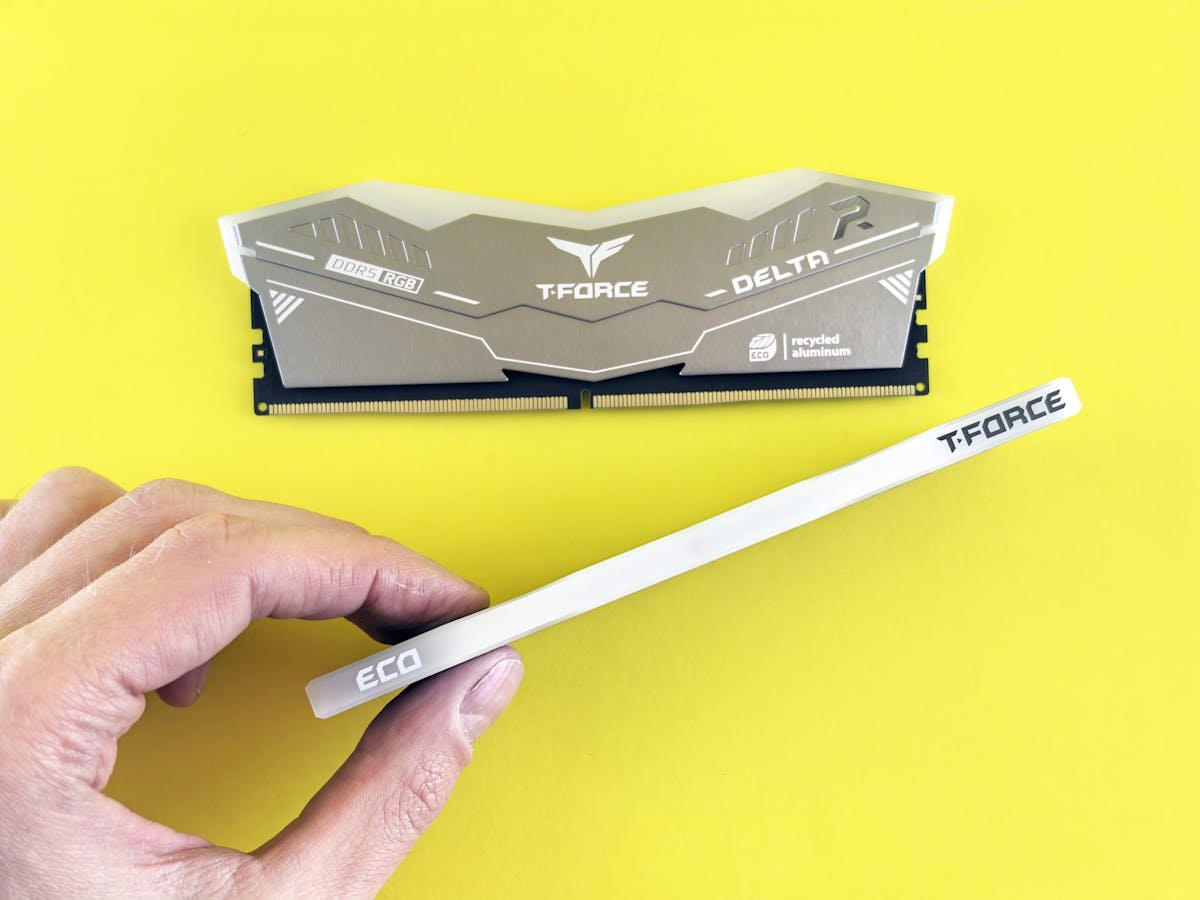
RAM upgrades deliver immediate performance improvements, especially when working with multiple applications simultaneously. Most systems ship with 8GB or 16GB; upgrading to 32GB or 64GB benefits professionals using resource-intensive applications like video editing, 3D modelling, and virtual machines.
Determine your current configuration by checking System Information or BIOS. Your motherboard’s manual shows exactly which slots are DIMM (standard) or SO-DIMM (laptop-style), critical for selecting the correct memory type.
SSD Upgrade Guide
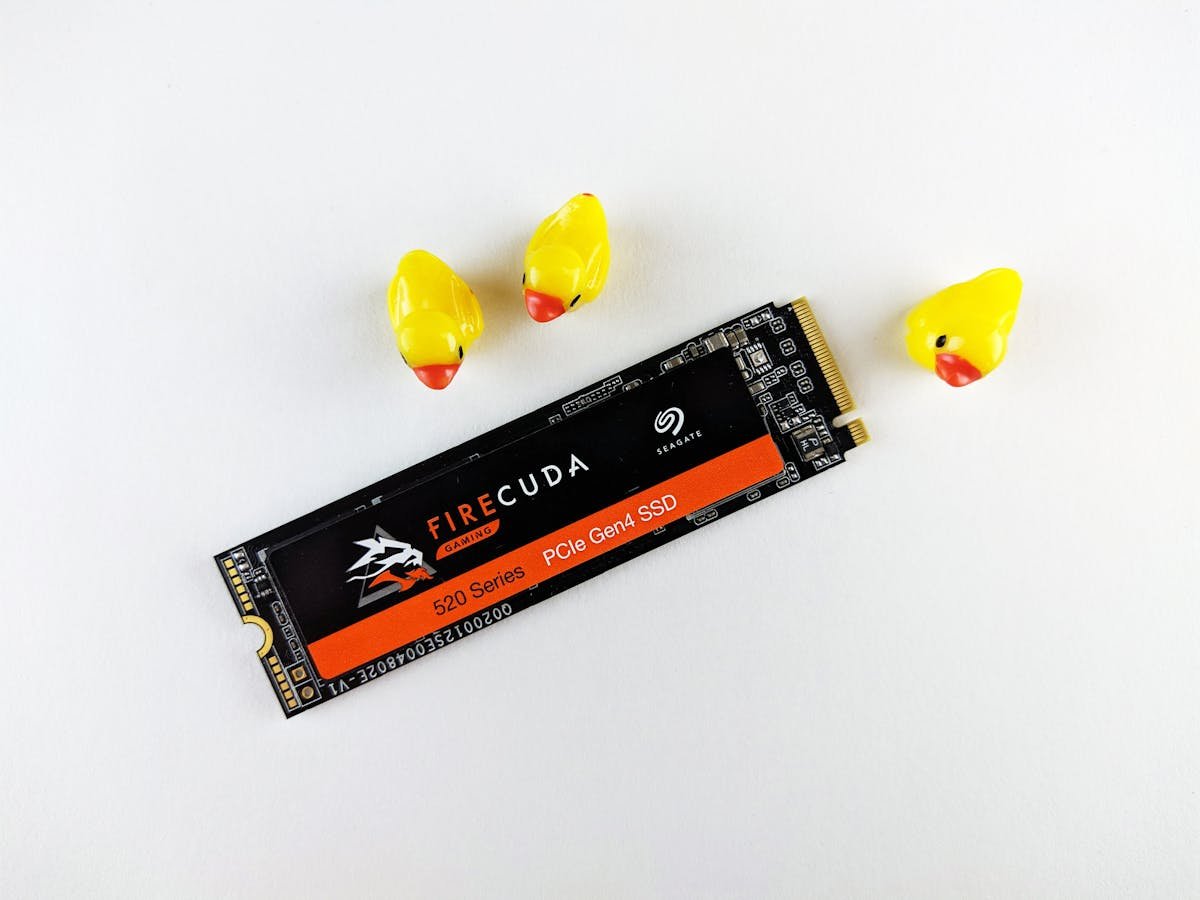
Storage is often the limiting factor in system responsiveness. Adding a second M.2 NVMe SSD is typically the most straightforward upgrade, offering PCIe speeds without opening the main chassis extensively. SATA SSDs work too, but are significantly slower for sequential operations.
Check BIOS to identify existing drives and available slots. Many systems support both M.2 and 2.5-inch SATA simultaneously, letting you keep existing storage whilst adding high-speed NVMe capacity.
How to Find Your Model Number
Method 1 (Easiest): Look at the case label on the rear or side panel. The model number appears near the serial number.
Method 2 (Windows): Open System Information (Windows + Pause or Settings â System â About), look for “System Model.”
Method 3 (BIOS): Restart and enter BIOS (usually Delete or F2 during boot), where the model and motherboard information are displayed.
Method 4 (Command Line): Run wmic csproduct get name in Command Prompt for the exact system model.
Recommended Products
- Kingston Fury DDR4 RAM
- Corsair Vengeance DDR4 RAM
- Samsung 970 EVO Plus SSD
- WD Black SN850X NVMe
- Crucial P3 Plus NVMe
Related Dell Upgrade Guides
- Dell Alienware Aurora R16 RAM & SSD Upgrade Guide (2024)
- Dell OptiPlex 5000 SFF RAM & SSD Upgrade Guide (2023)
- Dell OptiPlex 5000 Tower RAM & SSD Upgrade Guide (2023)
- Dell OptiPlex 7020 SFF RAM & SSD Upgrade Guide (2024)
- Dell OptiPlex 7020 Micro RAM & SSD Upgrade Guide (2024)
- Dell Upgrade Guide
Not sure what fits? Use our free Compatibility Checker covering 3,195+ models.
Helpful Guides
With dozens of models across multiple product lines, this guide provides the clarity needed to confidently upgrade your system. Always reference your specific model’s details before purchasing components.
Recommended upgrades
As an Amazon Associate we earn from qualifying purchases. Prices & availability shown on Amazon.