
Affiliate disclosure: this page contains affiliate links — if you buy through them we may earn a commission at no extra cost to you. As an Amazon Associate we earn from qualifying purchases.
ECC (Error-Correcting Code) RAM detects and corrects single-bit memory errors that could cause crashes, data corruption, or system instability. But is it worth the extra cost for your use case? This guide explains the differences and helps you decide.
How ECC RAM Works
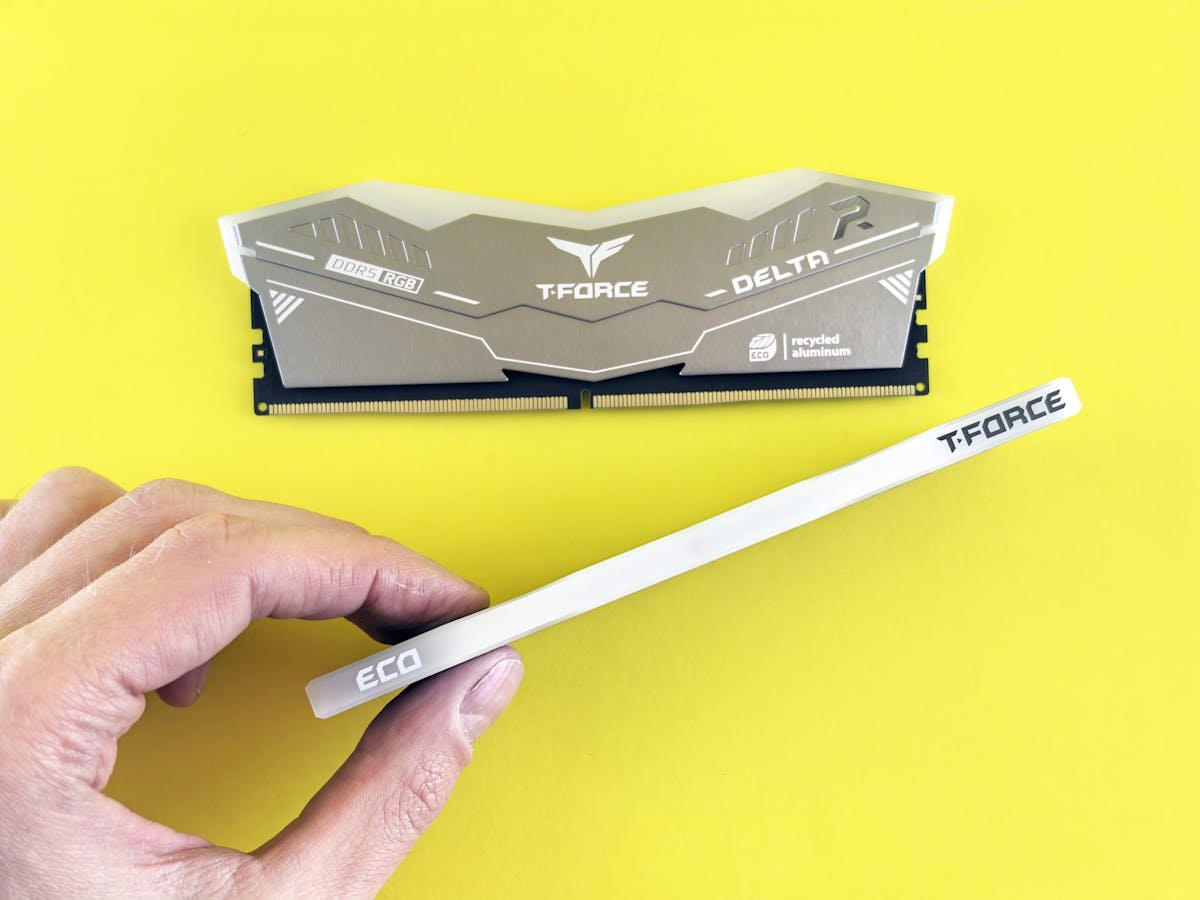
Standard RAM stores data bits without any error checking. ECC RAM adds an extra memory chip per module that stores parity information, allowing the memory controller to detect and correct single-bit errors in real-time. These errors are rare but increase with capacity and uptime — a 128GB system running 24/7 may experience one correctable error per week.
Who Needs ECC RAM?
ECC RAM is essential for: database servers, scientific computing, financial calculations, medical imaging, video production (preventing frame corruption), virtualisation hosts, and any system where uptime and data integrity are critical. If a single flipped bit could cost money or compromise results, ECC is worth the investment.
Who Does NOT Need ECC RAM?
For gaming PCs, general office work, web browsing, and casual content creation, non-ECC RAM is perfectly reliable. The chance of an error causing a noticeable problem on a consumer PC with 16-32GB is extremely low, and a simple reboot resolves most issues.
Platform Support
AMD Ryzen supports ECC on consumer AM5 motherboards (unofficial but functional). Intel requires Xeon processors and workstation/server motherboards for ECC support — consumer Core processors do not support ECC. All server platforms (EPYC, Xeon Scalable) fully support ECC, with registered (RDIMM) and load-reduced (LRDIMM) variants for maximum capacity.
Cost Comparison
ECC DDR5 UDIMM modules cost approximately 25-40% more than equivalent non-ECC modules. ECC RDIMMs for servers cost 50-100% more. Factor in the requirement for compatible motherboards and processors when budgeting.
Frequently Asked Questions
Will ECC RAM work in a consumer motherboard?
AMD AM5 boards often support ECC UDIMMs unofficially. Intel consumer boards do not support ECC at all.
Does ECC RAM affect performance?
ECC adds minimal latency (typically 1-2%). The performance impact is negligible in real-world use.
Can I mix ECC and non-ECC RAM?
No. Mixing ECC and non-ECC modules will either cause boot failure or disable ECC functionality.
How we verify this guide
We cross-reference compatibility figures against manufacturer specifications where available, official service manuals, and the standards that govern fit — memory type and speed (DDR4 / DDR5 / LPDDR5), maximum supported capacity and slot count, SSD form factor and interface (M.2 2280, NVMe PCIe vs SATA, keying), and charger wattage and connector (USB-C Power Delivery, GaN). We’re explicit about soldered or non-upgradeable parts, prioritise primary sources over retailer listings, and re-verify the data on a regular cycle. More on our method →