
Affiliate disclosure: this page contains affiliate links — if you buy through them we may earn a commission at no extra cost to you. As an Amazon Associate we earn from qualifying purchases.
Architects working with AutoCAD, Revit, and SketchUp need laptops that handle large 3D models, detailed floor plans, and rendering. RAM and SSD upgrades have the biggest impact on day-to-day productivity.
Recommended Upgrades
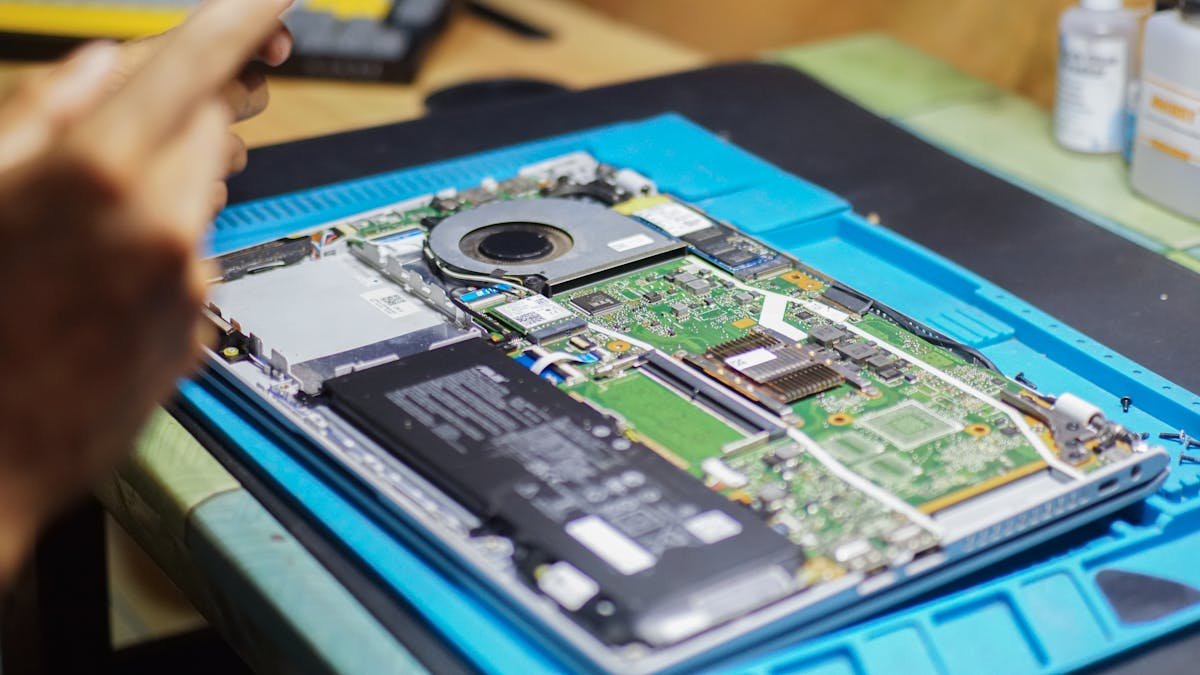
| Upgrade | Impact | Cost* |
|---|---|---|
| RAM: 16GB → 32GB | Handle large Revit models | ~£65 |
| SSD: 2TB NVMe Gen 4 | Fast project files | ~£85 |
Revit RAM Requirements
Autodesk recommends 16GB minimum. Complex multi-discipline models easily consume 24-32GB. If you get “out of memory” errors, a RAM upgrade is the single most impactful change.
Frequently Asked Questions
How much RAM does Revit need?
16GB for basic models. 32GB for multi-discipline. 64GB for large commercial/institutional projects.
Is a workstation laptop necessary?
Not always — a standard 15-inch with 32GB RAM and SSD handles most 2D and light 3D work. Workstation laptops needed only for heavy rendering.
Recommended upgrades
As an Amazon Associate we earn from qualifying purchases. Prices & availability shown on Amazon.
For laptops and mini PCs that use DDR5 SO-DIMM
For laptops and mini PCs that use DDR4 SO-DIMM
M.2 2280 NVMe SSDs
How we verify this guide
We cross-reference compatibility figures against manufacturer specifications where available, official service manuals, and the standards that govern fit — memory type and speed (DDR4 / DDR5 / LPDDR5), maximum supported capacity and slot count, SSD form factor and interface (M.2 2280, NVMe PCIe vs SATA, keying), and charger wattage and connector (USB-C Power Delivery, GaN). We’re explicit about soldered or non-upgradeable parts, prioritise primary sources over retailer listings, and re-verify the data on a regular cycle. More on our method →
*Indicative UK street prices, shown for guidance only. These are not live Amazon prices and change frequently — check the current price on Amazon before buying.