Affiliate disclosure: this page contains affiliate links — if you buy through them we may earn a commission at no extra cost to you. As an Amazon Associate we earn from qualifying purchases.
The Lenovo ThinkPad, Dell Latitude, and HP EliteBook are the three pillars of enterprise computing. Each has devoted followers in IT departments worldwide. This three-way comparison covers build quality, keyboards, upgradeability, and total cost of ownership.
Keyboard and Input
ThinkPad wins with the best keyboard in the industry — deep travel, crisp tactile feedback, and the iconic red TrackPoint. Latitude keyboards are excellent with slightly less travel. EliteBook keyboards are good but shallower. For heavy typists, ThinkPad is unmatched.
Upgradeability
| Spec | ThinkPad T14 | Latitude 5440 | EliteBook 640 |
|---|---|---|---|
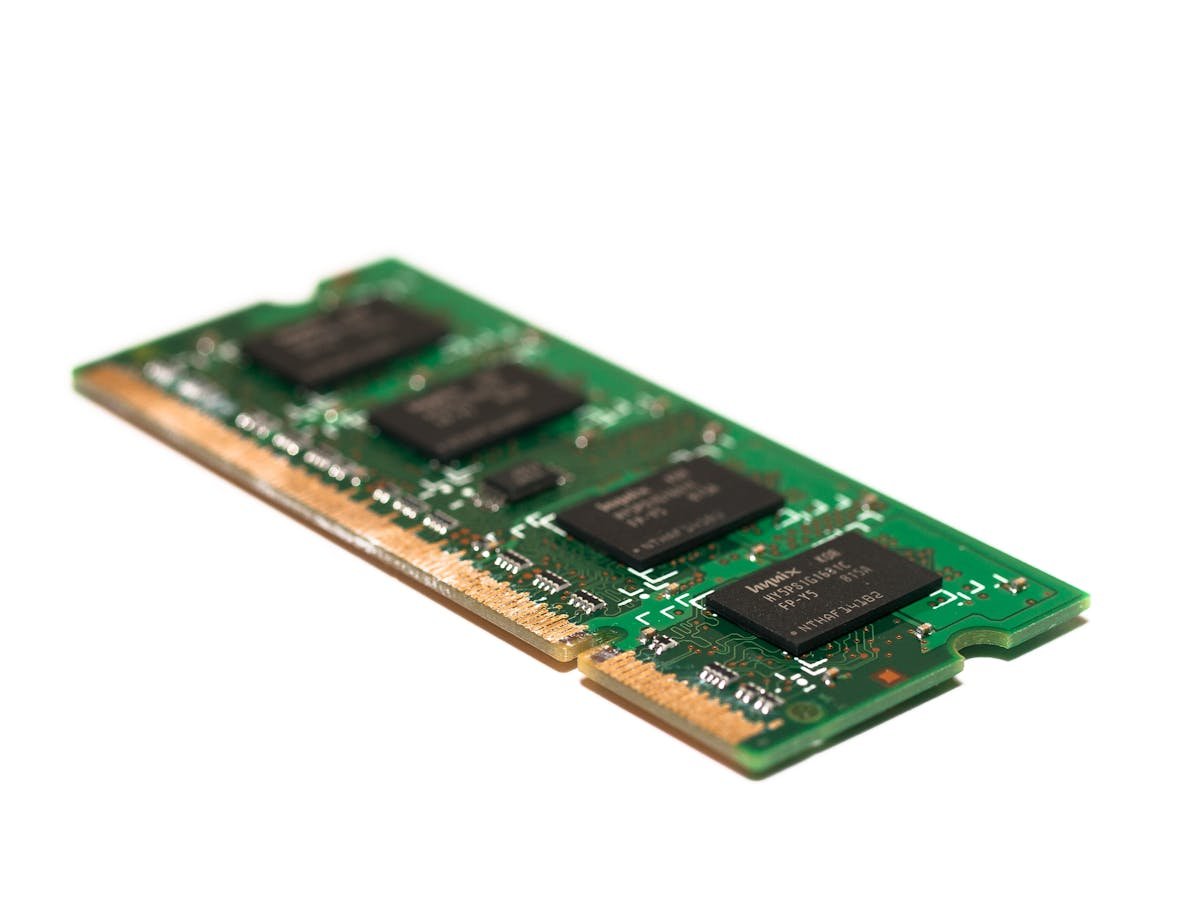
| RAM Slots | 1 SO-DIMM + soldered | 1 SO-DIMM + soldered | 1 SO-DIMM + soldered |
| M.2 Slots | 1x 2280 | 1x 2280 | 1x 2280 |
| Battery | Internal | Internal | Internal |
| Wi-Fi Card | Replaceable | Replaceable | Replaceable (whitelist) |
Manageability
All three support Intel vPro for remote management. Dell offers the best out-of-box BIOS configuration tools. Lenovo’s Vantage app is excellent for driver updates. HP’s Sure Admin provides passwordless BIOS management via mobile.
Verdict
ThinkPad for keyboard quality and Linux compatibility. Latitude for best support ecosystem and BIOS tools. EliteBook for build quality and display options. All three are excellent — your IT department’s existing relationship often determines the best choice.
Frequently Asked Questions
Which business laptop has the best keyboard?
Lenovo ThinkPad, consistently rated the best keyboard among all laptops.
Which brand offers the best business laptop warranty?
All three offer comparable next-business-day on-site service. Pricing varies by region and contract size.
Recommended upgrades
As an Amazon Associate we earn from qualifying purchases. Prices & availability shown on Amazon.
For laptops and mini PCs that use DDR5 SO-DIMM
For laptops and mini PCs that use DDR4 SO-DIMM
M.2 2280 NVMe SSDs
How we verify this guide
We cross-reference compatibility figures against manufacturer specifications where available, official service manuals, and the standards that govern fit — memory type and speed (DDR4 / DDR5 / LPDDR5), maximum supported capacity and slot count, SSD form factor and interface (M.2 2280, NVMe PCIe vs SATA, keying), and charger wattage and connector (USB-C Power Delivery, GaN). We’re explicit about soldered or non-upgradeable parts, prioritise primary sources over retailer listings, and re-verify the data on a regular cycle. More on our method →