
Affiliate disclosure: this page contains affiliate links — if you buy through them we may earn a commission at no extra cost to you. As an Amazon Associate we earn from qualifying purchases.
After installing new RAM, you should verify it works correctly under load. Faulty or incompatible RAM can cause blue screens, random crashes, and data corruption. This guide covers how to thoroughly test your memory using free tools.
Why Test New RAM?
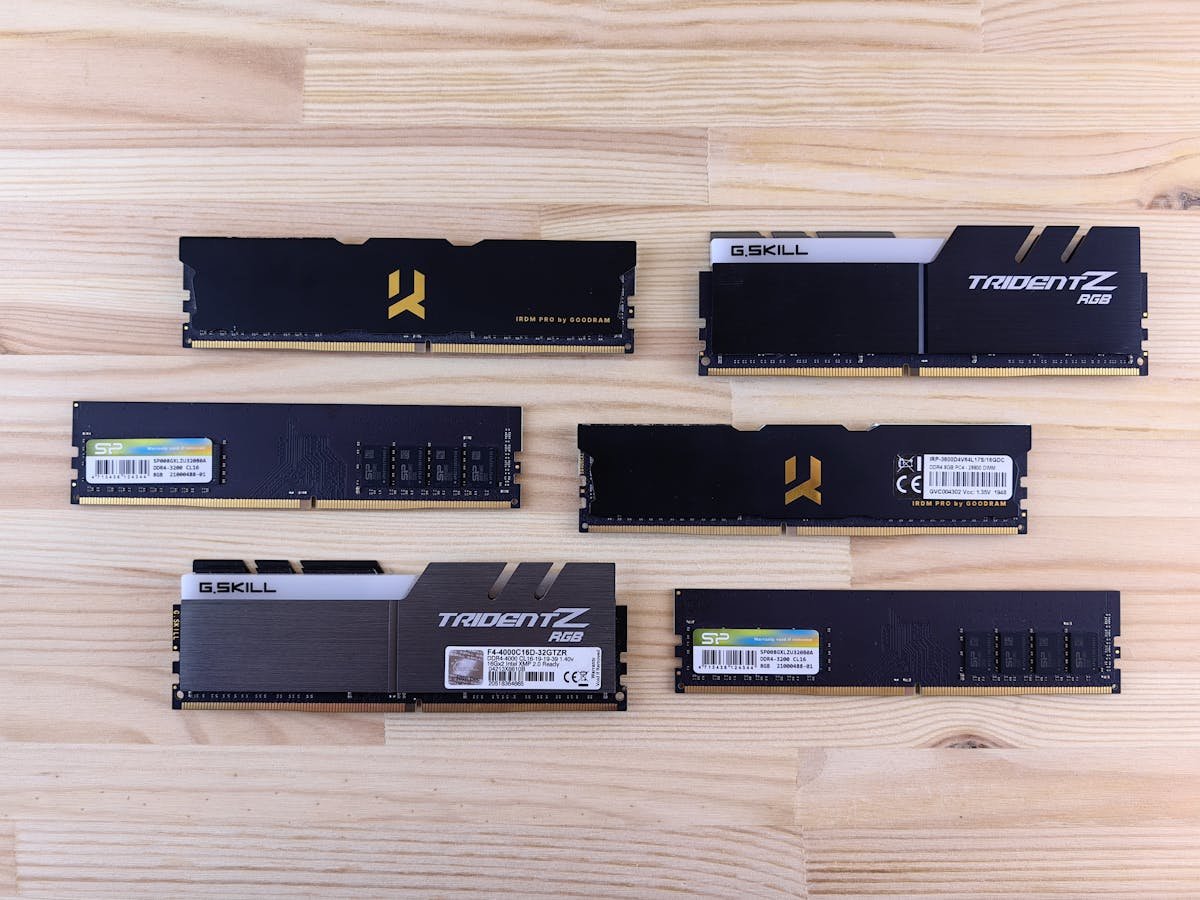
Memory errors can be intermittent — your system might boot and run normally for hours before a crash. Testing catches defective modules, incompatible speeds, and marginal stability before these issues affect your work. Professional system builders run memory tests on every build before delivery.
Memtest86 — The Gold Standard
Memtest86 is a free, bootable memory testing tool that runs outside of Windows for the most thorough results. 1. Download Memtest86 from memtest86.com (free version). 2. Create a bootable USB drive using the provided tool. 3. Restart your PC and boot from the USB. 4. Memtest86 runs automatically, testing all installed RAM. 5. Let it complete at least 2 full passes (takes 1-4 hours depending on capacity). 6. Zero errors is the only acceptable result.
Windows Memory Diagnostic
For a quick check without creating bootable media: press Windows+R, type mdsched.exe, and choose to restart now. Windows Memory Diagnostic runs basic tests during reboot. It is less thorough than Memtest86 but catches obvious faults quickly.
What If Errors Are Found?
If Memtest86 reports errors: first, reseat the modules firmly. If errors persist, try each module individually to identify the faulty stick. If a specific module consistently fails, it is defective and should be returned under warranty. If errors occur with multiple modules, check BIOS memory settings — disable XMP and test at JEDEC default speeds.
Testing XMP/EXPO Stability
After confirming stability at default speeds, enable XMP (Intel) or EXPO (AMD) and run Memtest86 again. If errors appear only with XMP enabled, your modules may not be stable at the rated speed in your specific motherboard. Try slightly relaxed timings or a lower frequency (e.g. DDR5-5600 instead of 6000).
Frequently Asked Questions
How long should I run Memtest86?
At least 2 complete passes for basic verification. For thorough testing, run 4+ passes or overnight.
Is one error in Memtest86 acceptable?
No. Any errors indicate a problem that will cause instability. Zero errors is the only acceptable result.
Can I test RAM without Memtest86?
Windows Memory Diagnostic provides basic testing. For thorough results, Memtest86 is strongly recommended.
Find Compatible Upgrades
Use our compatibility guides to find the right parts for your system.
RAM Guide SSD GuideRecommended upgrades
As an Amazon Associate we earn from qualifying purchases. Prices & availability shown on Amazon.
For laptops and mini PCs that use DDR5 SO-DIMM
For laptops and mini PCs that use DDR4 SO-DIMM
How we verify this guide
We cross-reference compatibility figures against manufacturer specifications where available, official service manuals, and the standards that govern fit — memory type and speed (DDR4 / DDR5 / LPDDR5), maximum supported capacity and slot count, SSD form factor and interface (M.2 2280, NVMe PCIe vs SATA, keying), and charger wattage and connector (USB-C Power Delivery, GaN). We’re explicit about soldered or non-upgradeable parts, prioritise primary sources over retailer listings, and re-verify the data on a regular cycle. More on our method →