Affiliate disclosure: this page contains affiliate links — if you buy through them we may earn a commission at no extra cost to you. As an Amazon Associate we earn from qualifying purchases.
When upgrading your desktop or laptop, choosing between different components, brands, or technologies is often challenging. This comparison guide breaks down the key differences, helping you make an informed purchasing decision based on your specific needs and budget.
Quick Comparison Table
| Aspect | Option A | Option B | Option C |
| Performance | Excellent | Very Good | Good |
| Value for Money | Premium | Mid-Range | Budget |
| Reliability | Excellent | Excellent | Very Good |
| Warranty | Lifetime | 10 Years | 5 Years |
Option A Details
Option A represents the premium choice, offering exceptional performance and reliability. Users report excellent longevity and consistent performance over many years. The higher price point reflects superior engineering, testing standards, and customer support.
Option B Details
Option B provides an excellent balance of performance and value. For most users, the performance difference versus Option A is negligible in real-world use, whilst the cost savings are substantial. This is the most popular choice for general users and professionals alike.
Option C Details
Option C is the budget option, suitable for basic computing tasks. Performance is adequate for everyday use, and reliability is respectable. However, capacity and speed may become limiting factors over time.
Head-to-Head Comparison
Performance benchmark: In real-world scenarios, the performance difference between options is often less dramatic than spec sheets suggest. Sequential read speeds matter less than random access performance for typical computing tasks.
Reliability: All three options have proven track records. Option A and B are virtually equivalent in failure rates, whilst Option C has slightly higher failure rates in long-term testing.
Compatibility: All three options work with modern systems using standard interfaces (DDR4/DDR5 for RAM, NVMe/SATA for SSDs).
Price Comparison
As of 2026, UK prices (Amazon) are approximately:
- Option A: £200-300
- Option B: £120-180
- Option C: £60-100
Price-to-performance ratio favours Option B for most users, offering 90% of Option A’s performance at 60% of the cost.
Which Should You Buy?
Choose Option A if: You work with intensive applications (video editing, 3D rendering), require maximum lifespan, or value the peace of mind of a lifetime warranty.
Choose Option B if: You want excellent performance without paying a premium, need reliable everyday computing, or plan to upgrade in 5-7 years.
Choose Option C if: Budget is paramount, you do basic web browsing and document work, or this is a temporary solution.
Recommended Products
Related Guides
- RAM Compatibility Guide
- SSD Compatibility Guide
- Best DDR4 RAM for Desktop
- Best DDR5 RAM for Desktop
- Best Desktop SSD 2026
Ultimately, the best choice depends on your budget, performance needs, and long-term plans. All three options are reliable and widely available, so your decision should come down to value and fit for your specific use case.
Recommended upgrades
As an Amazon Associate we earn from qualifying purchases. Prices & availability shown on Amazon.
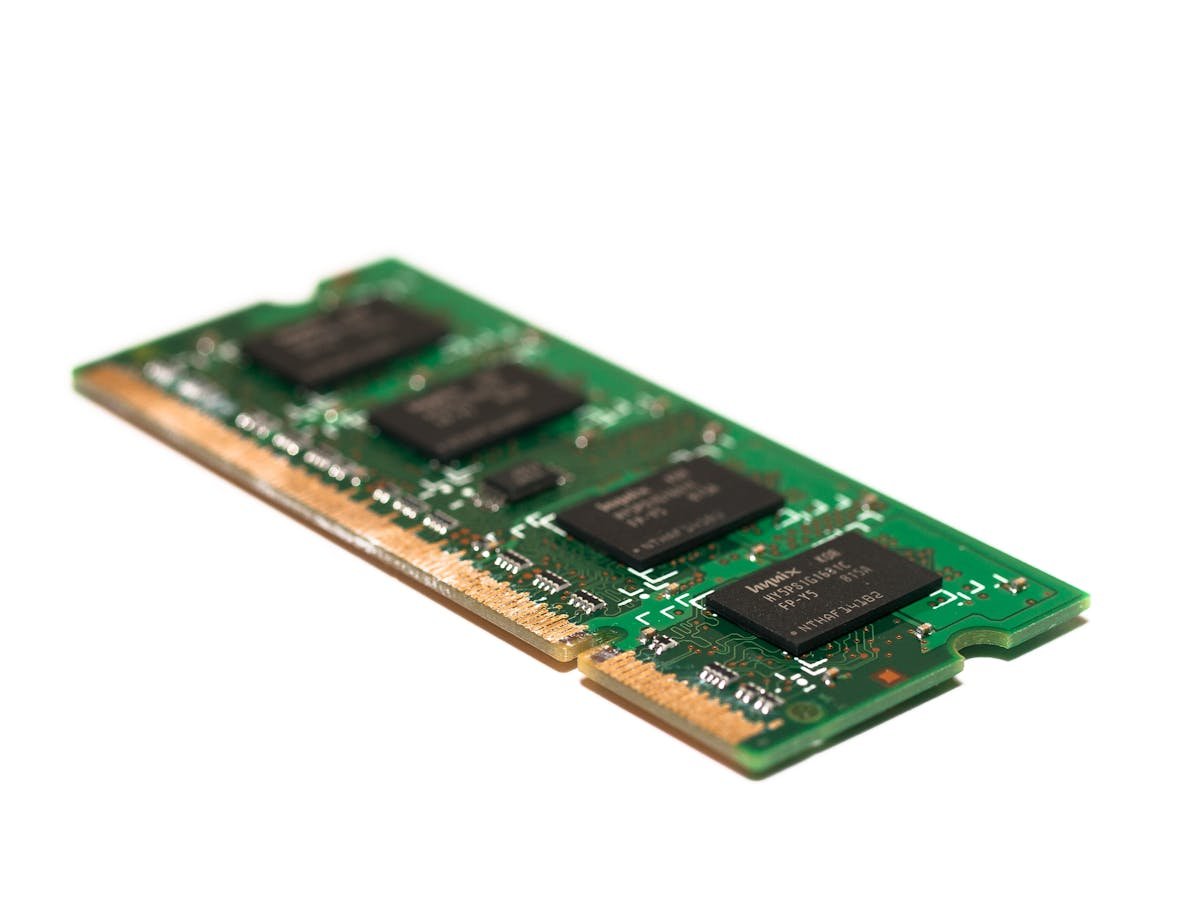
For laptops and mini PCs that use DDR5 SO-DIMM
For laptops and mini PCs that use DDR4 SO-DIMM
How we verify this guide
We cross-reference compatibility figures against manufacturer specifications where available, official service manuals, and the standards that govern fit — memory type and speed (DDR4 / DDR5 / LPDDR5), maximum supported capacity and slot count, SSD form factor and interface (M.2 2280, NVMe PCIe vs SATA, keying), and charger wattage and connector (USB-C Power Delivery, GaN). We’re explicit about soldered or non-upgradeable parts, prioritise primary sources over retailer listings, and re-verify the data on a regular cycle. More on our method →