
Affiliate disclosure: this page contains affiliate links — if you buy through them we may earn a commission at no extra cost to you. As an Amazon Associate we earn from qualifying purchases.
All DDR4 and DDR5 RAM runs at base JEDEC speed by default — typically DDR4-2133 or DDR5-4800. To reach the advertised speed, enable an overclocking profile in BIOS. This is completely safe and intended by manufacturers.
XMP vs EXPO
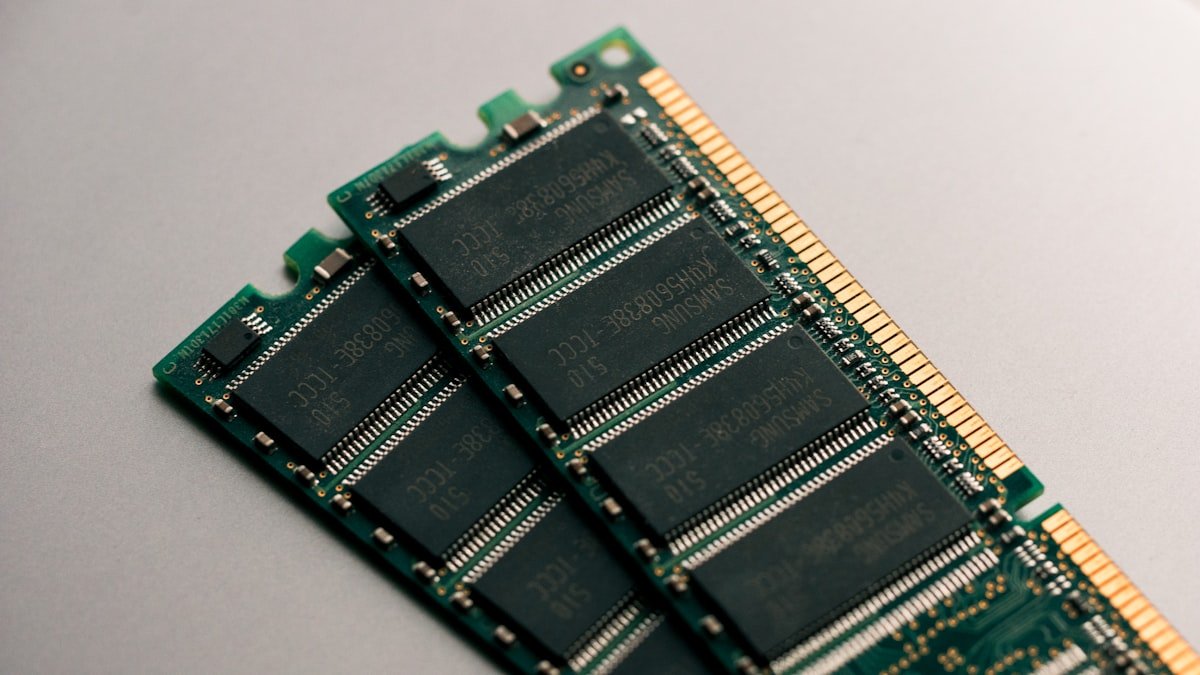
Intel XMP and AMD EXPO are one-click overclocking profiles stored on your RAM. Enter BIOS, find XMP/EXPO, enable it, and your RAM runs at its rated speed. No manual tuning required.
Manual RAM Tuning
For enthusiasts, manual overclocking squeezes 5-15% more performance. Key timings: CAS Latency (CL), tRCD, tRP, tRAS. Start with primary timings, stress test with MemTest86, keep voltage under 1.4V DDR5 / 1.45V DDR4.
Recommended Kits
| Kit | Profile | Price* |
|---|---|---|
| G.Skill Flare X5 32GB EXPO | AMD EXPO | ~£80 |
| Corsair Vengeance 32GB XMP | Intel XMP 3.0 | ~£80 |
Frequently Asked Questions
Is enabling XMP safe?
Yes — designed by Intel, supported by all major manufacturers. It’s technically overclocking but at validated speeds.
Will XMP void my warranty?
Most manufacturers support XMP speeds under warranty. Rarely enforced.
Recommended upgrades
As an Amazon Associate we earn from qualifying purchases. Prices & availability shown on Amazon.
For laptops and mini PCs that use DDR5 SO-DIMM
For laptops and mini PCs that use DDR4 SO-DIMM
How we verify this guide
We cross-reference compatibility figures against manufacturer specifications where available, official service manuals, and the standards that govern fit — memory type and speed (DDR4 / DDR5 / LPDDR5), maximum supported capacity and slot count, SSD form factor and interface (M.2 2280, NVMe PCIe vs SATA, keying), and charger wattage and connector (USB-C Power Delivery, GaN). We’re explicit about soldered or non-upgradeable parts, prioritise primary sources over retailer listings, and re-verify the data on a regular cycle. More on our method →
*Indicative UK street prices, shown for guidance only. These are not live Amazon prices and change frequently — check the current price on Amazon before buying.