
Affiliate disclosure: this page contains affiliate links — if you buy through them we may earn a commission at no extra cost to you. As an Amazon Associate we earn from qualifying purchases.
Upgrading laptop RAM should be straightforward, but costly mistakes are surprisingly common. From buying incompatible memory to voiding warranties, these are the pitfalls that catch people out — and how to avoid every one of them.
Mistake 1: Not Checking If RAM Is Soldered
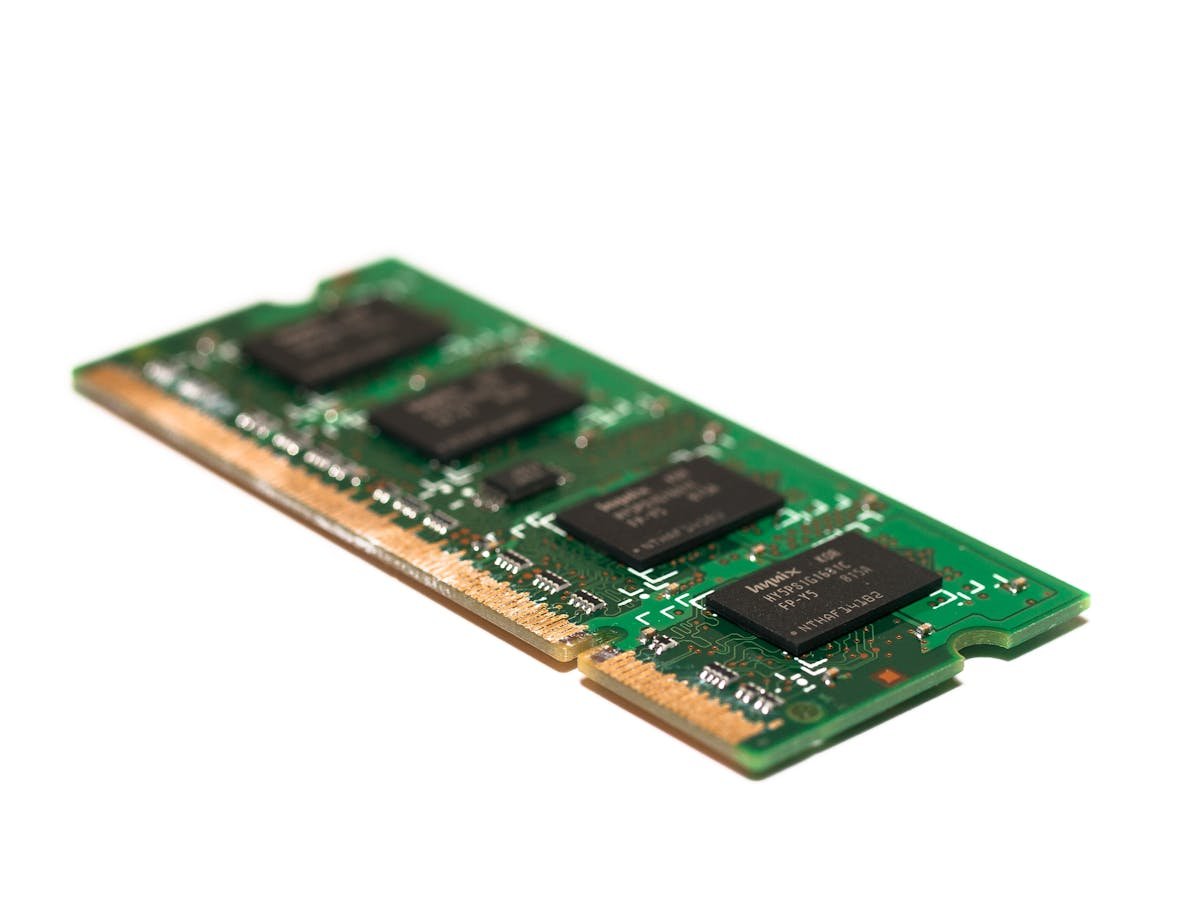
The single most expensive mistake is buying RAM for a laptop that cannot be upgraded. Many modern ultrabooks solder RAM directly to the motherboard with no upgrade path.
- Devices with soldered RAM: MacBook Air (all), MacBook Pro (2016+), Dell XPS 13 (2020+), Surface Laptop, HP Spectre x360, most ultrabooks under 14 inches
- Devices usually upgradeable: ThinkPad T/P series, Dell Latitude, HP EliteBook, most 15.6-inch business laptops
- Always check your specific model before purchasing — even within the same product line, some configurations are soldered and others are not
Mistake 2: Buying DDR4 for a DDR5 Laptop (or Vice Versa)
DDR4 and DDR5 SODIMM modules are physically different and cannot be swapped. DDR4 SODIMMs have 260 pins with a specific notch position. DDR5 SODIMMs have 262 pins with a different notch position. Forcing the wrong type can damage the slot. Always verify your laptop generation to confirm which DDR standard it uses.
- Intel 12th Gen laptops: May use DDR4 OR DDR5 — check your specific model
- Intel 13th/14th Gen: Mostly DDR5, some budget models use DDR4
- Intel Core Ultra: DDR5 only
- AMD Ryzen 7000+: DDR5 only
- AMD Ryzen 5000 and earlier: DDR4 only
Mistake 3: Mixing RAM Speeds or Capacities
While technically possible, mixing different RAM modules causes issues:
- Mixed speeds: Both modules will run at the slower speed, wasting the faster module potential
- Mixed capacities (e.g., 8GB + 16GB): Works but runs in flex mode — partially dual-channel, partially single-channel
- Mixed brands: May work but can cause instability, BSODs, or failure to boot
- Mixed ranks (single-rank + dual-rank): Can work but may limit maximum speed
- Best practice: Always buy a matched kit (same brand, speed, capacity, timings)
Mistake 4: Running Single Channel
Using one RAM module instead of two cuts your memory bandwidth in half. Many people buy a single 16GB module when two 8GB modules would be dramatically better:
- Single channel: ~25 GB/s bandwidth (DDR4-3200)
- Dual channel: ~51 GB/s bandwidth (DDR4-3200)
- Gaming impact: 10-20% FPS reduction in single channel
- General performance: Noticeably slower in multi-tasking and video playback
- If your laptop has 2 slots, always use both for dual channel
More Common Mistakes
Additional pitfalls to avoid:
- Mistake 5: Ignoring maximum supported capacity — your laptop may only support 16GB or 32GB total regardless of module size
- Mistake 6: Not grounding yourself — static discharge can damage RAM modules. Touch a metal surface before handling
- Mistake 7: Forcing modules at an angle — SODIMM modules insert at ~30° then click flat. Never force straight down
- Mistake 8: Forgetting to re-enable XMP/DOCP — new RAM may default to slower JEDEC speeds until XMP is enabled in BIOS
- Mistake 9: Not testing after installation — always run a full MemTest86 pass after installing new RAM
- Mistake 10: Buying from unreliable sellers — counterfeit RAM is common on marketplace sellers. Buy from reputable retailers
Recommended Products
Matched dual-channel kit eliminates compatibility issues. Perfect for modern laptop upgrades.
Check Price on Amazon
Reliable matched DDR4 laptop kit. Wide compatibility with most DDR4 laptops.
Check Price on Amazon
Budget-friendly matched pair for DDR4 laptops. Crucial modules have excellent compatibility.
Check Price on Amazon
Frequently Asked Questions
How do I know if my laptop RAM is soldered?
Check your specific model on our compatibility pages, or look up the service manual from the manufacturer. In Task Manager (Windows), if the “Slots used” field shows “0 of 0” or is missing, your RAM is likely soldered. Physically, if there is no RAM access panel or the teardown shows no SODIMM slots, it is soldered.
Can I upgrade just one RAM stick?
You can, but it is not recommended. Adding a mismatched module may cause instability or force single-channel/flex mode. For best results, replace both modules with a matched kit.
Will upgrading RAM void my warranty?
For most business laptops (ThinkPad, Latitude, EliteBook), no — RAM is a user-serviceable part. For consumer laptops, check your specific warranty terms. Apple devices are not user-upgradeable. Dell and Lenovo generally allow RAM upgrades on business models without warranty impact.
What speed RAM should I buy for my laptop?
Match or exceed your current RAM speed. Check your specific model maximum supported speed. For DDR4 laptops, 3200MHz is the safe default. For DDR5 laptops, 5600MHz is standard. Going above the supported speed will just clock down to the maximum.
Recommended Laptop RAM Upgrades
As an Amazon Associate we earn from qualifying purchases. Prices & availability shown on Amazon.